


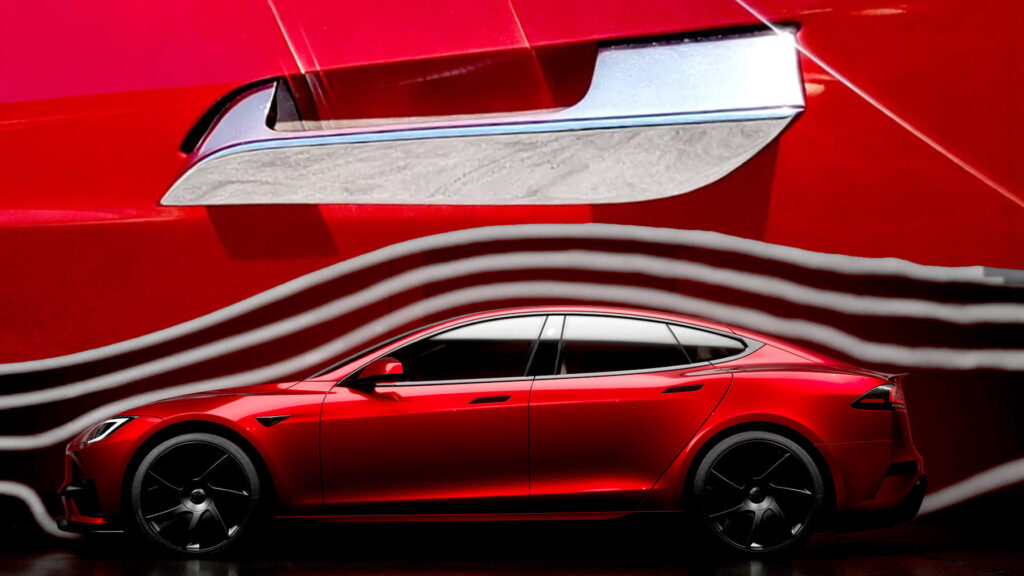
New Lawsuit Against Tesla
Tesla is once again in the spotlight due to a lawsuit. If last year the discussions were about autonomous driving, now the topic is door handles. However, this new lawsuit is not about their mechanical failure, but about a completely different problem.
The Essence of the Claim
The lawsuit was filed by Robert L. Hyde, who purchased a 2023 Model S. He claims that the vehicle’s value dropped due to a hidden, in his opinion, design defect. Hyde did not personally experience the malfunction, but insists that Tesla did not inform buyers about a significant safety risk affecting the car’s value.
Controversy Over Door Handle Design
As stated in the lawsuit, the problem is as follows: in the event of an accident or fire when the low-voltage power system shuts down, the electronic door handles may not extend. This would complicate rescuers’ access to the cabin. The plaintiff emphasizes that his own vehicle operated flawlessly.
Instead, the lawsuit claims he suffered “economic harm,” stating that the alleged defect reduces the value of all Model S vehicles from 2023 to the present.
The case accuses Tesla of fraudulent concealment of information, unjust enrichment, and violation of California consumer protection laws. Hyde demands compensation for damages, as well as a court order obliging the company to change the design or publicly disclose information about the risk. Tesla has not yet provided public comments regarding this lawsuit.
Background and Context
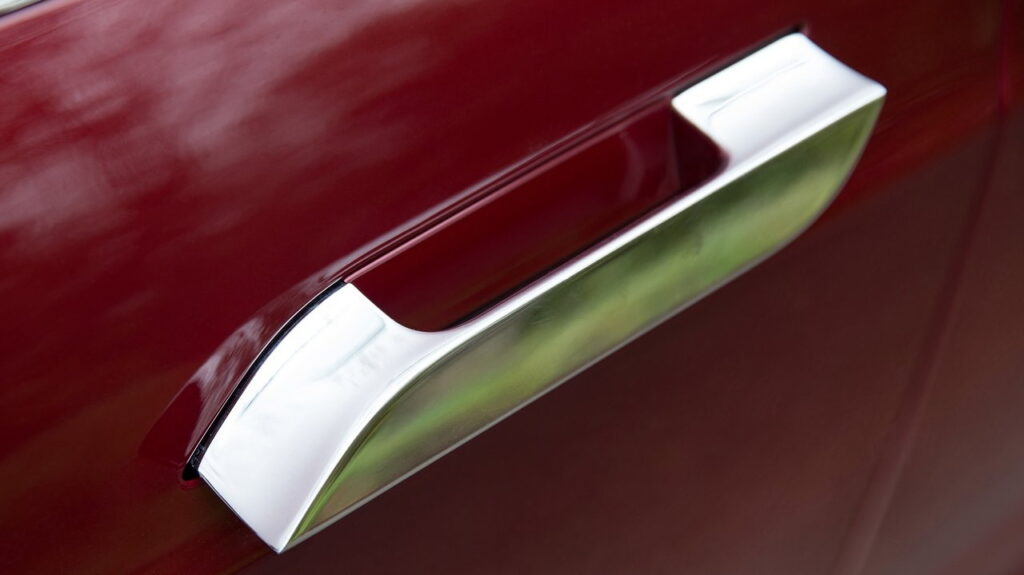

Hyde’s argument relies on previous court cases where Tesla door handles allegedly caused problems. The manufacturer has already faced a number of lawsuits related to this design, in some cases even involving fatal consequences. From the plaintiff’s point of view, such stories directly reduce the market value of vehicles with similar handles.
It is noteworthy that automakers and governments worldwide seem to agree that these types of handles are potentially problematic.
This is precisely why China recently banned the use of pop-out handles on electric vehicles, starting next year. It also explains why some new cars have mechanical backup systems. For example, Toyota is developing new external mechanical door levers for doors that typically have electric locks. The problem is taken seriously, and now the court may assess how this general concern affects the specific economic value of the car for the owner.
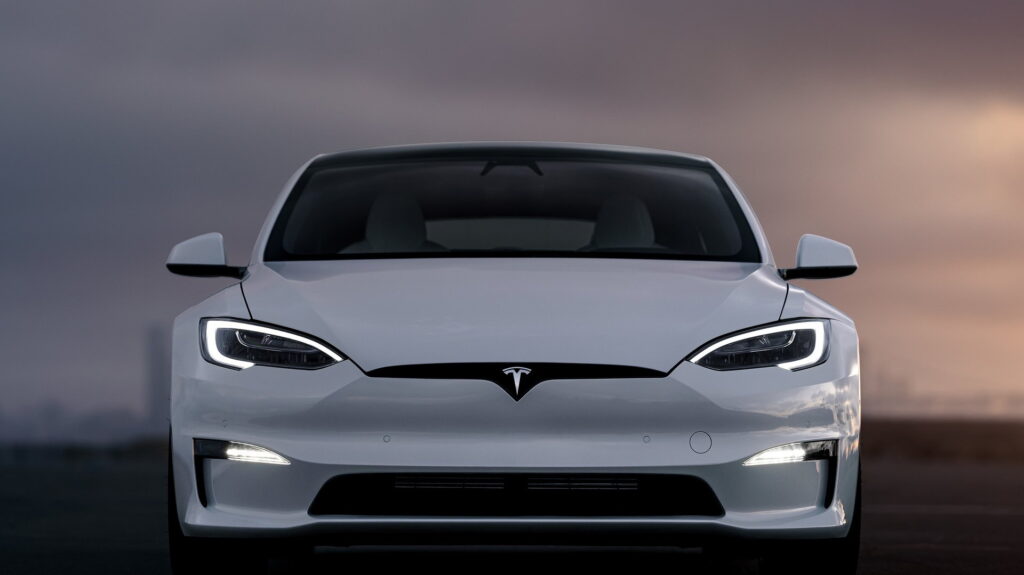

This case could become an important precedent at the intersection of technology, safety, and consumer rights. It raises questions about manufacturers’ responsibility to disclose all potential risks, even if they have not led to a direct accident for a specific owner. The court’s decision could indicate whether general public discussion about the safety of a particular technology can be considered a factor legally affecting a product’s value, and whether companies should proactively respond to such market sentiments. In any case, it once again forces us to think about how innovations in the automotive industry balance between convenience, aesthetics, and the highest standards of life protection.