 by
by The Return of the Creator of Volvo’s Modern Face
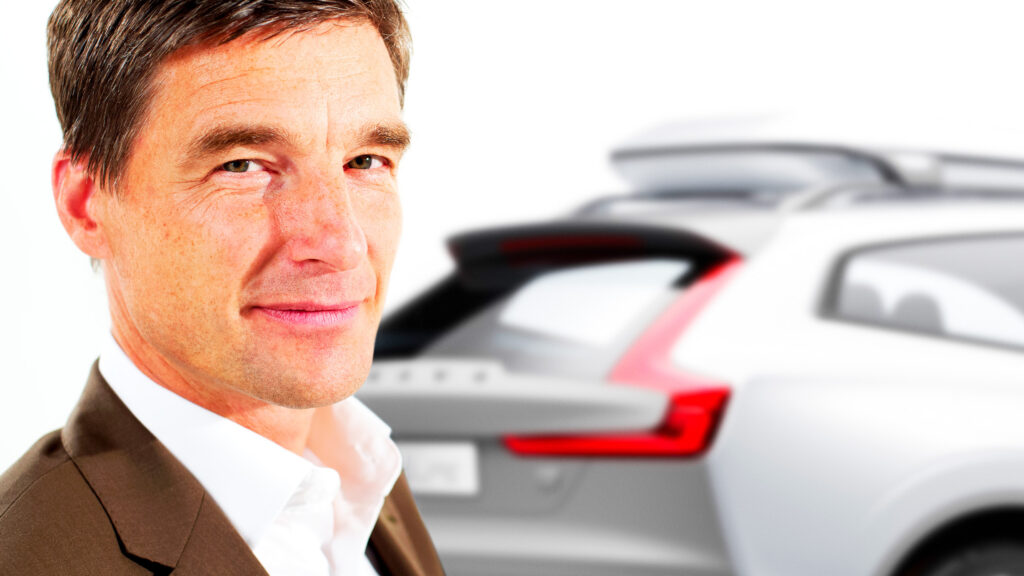
Volvo has decided that to solve its current problems, it should bring back the person who once took the brand to a new level. In February, Thomas Ingenlath returns to the headquarters in Gothenburg as Chief Designer. This will happen nine years after he left Volvo to build the Polestar spin-off into a global electric brand.
If modern Volvo cars are distinguished by calm, confident, and elegantly premium design, it is largely thanks to Ingenlath. He shaped the brand’s face in the 2010s with models such as the XC90, XC40, and V90. These cars gave Volvo a clear Scandinavian identity, helped the brand expand into new markets, and become relevant, premium, and desirable again.
He created such Volvo icons as the XC90, XC40, and the V90 series wagons.
A New Mission in a Difficult Time
Now the designer returns to Volvo in a completely different period. After the pandemic, the brand showed several record years in 2023-2024, but the momentum has slowed, and the market has become more difficult, largely due to President Trump’s tariffs. Volvo’s global sales fell significantly in 2025, and in China, they have been declining for the past few years.
Changing Brand Identity
The brand is also in the process of slowly changing its identity, closing the chapter on sedans and wagons, which were once its hallmark, and gradually moving away from internal combustion engine cars. The S90 model disappeared from the American market last year, and wagons will leave US dealerships this spring. Customers now want SUVs, even though it was wagons that once built Volvo’s reputation.
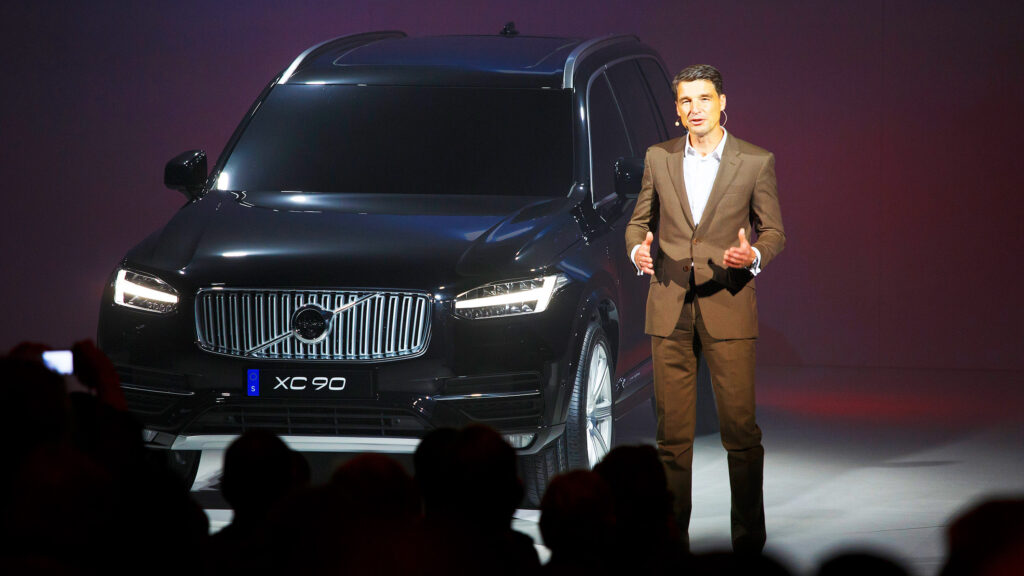
Ingenlath’s task will not be to adjust the design of the current model line, most of which have already been updated. His true mission is to chart Volvo’s future as the brand delves even deeper into the world of electric vehicles, software, and automation, while trying not to lose its soul.
Successes and Failures at Polestar
Between his two periods at Volvo, Ingenlath ran Polestar for seven years, transforming it from an interesting sub-brand into a true global player. The Polestar 1 and 2 gave it credibility, and the 3 and 4 models provided sales volume. Ingenlath helped launch the brand in more than 20 markets, defining a sharp, minimalist design that differed from Volvo’s softer style.
However, in 2024, Polestar’s stock price plummeted, sales collapsed, and that same year, Ingenlath was replaced as CEO by former Opel head Michael Lohscheller.

The return of a key designer during challenging times for the brand is a logical step that demonstrates Volvo’s desire to return to its roots and strengths. Ingenlath’s experience in creating successful models and his work shaping an electric brand’s identity could prove invaluable for Volvo’s future. His ability to combine Scandinavian purity of lines with technological progress will be crucial as the brand tries to find a balance between innovation and preserving the qualities that made it beloved by millions of drivers worldwide. The next few years will show if he can redefine the face of the Swedish automaker for a second time.