


The Importance of the Correct Lubricant
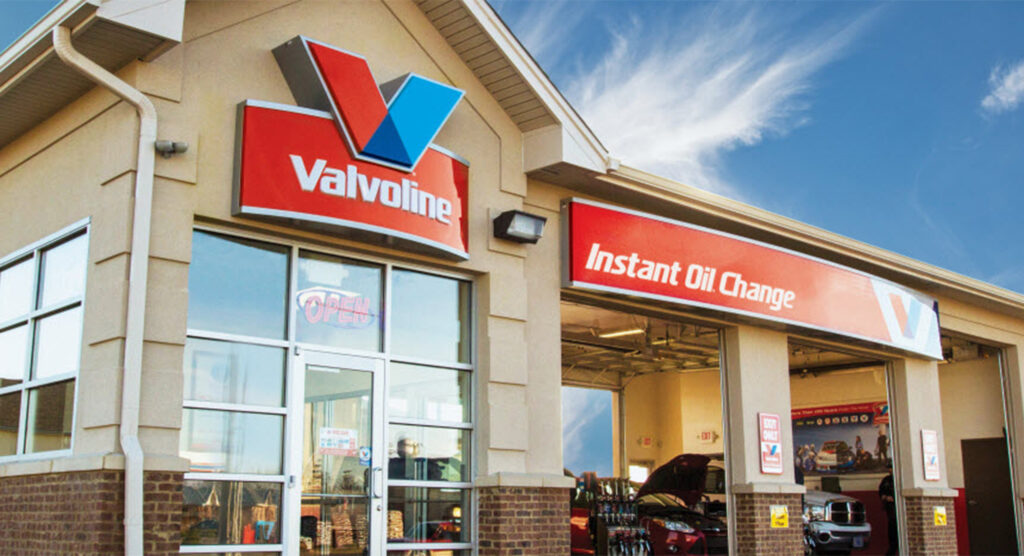
Engine oil plays a role for the engine that is just as vital as blood is for the body. Using the wrong type of oil can lead to serious problems. It is precisely because of such claims that Valvoline has now become a defendant in a class action lawsuit. The main accusation is that their Instant Oil Change service centers may not adhere to automobile manufacturers’ specifications.
The Story of the Kia Sorento Owner
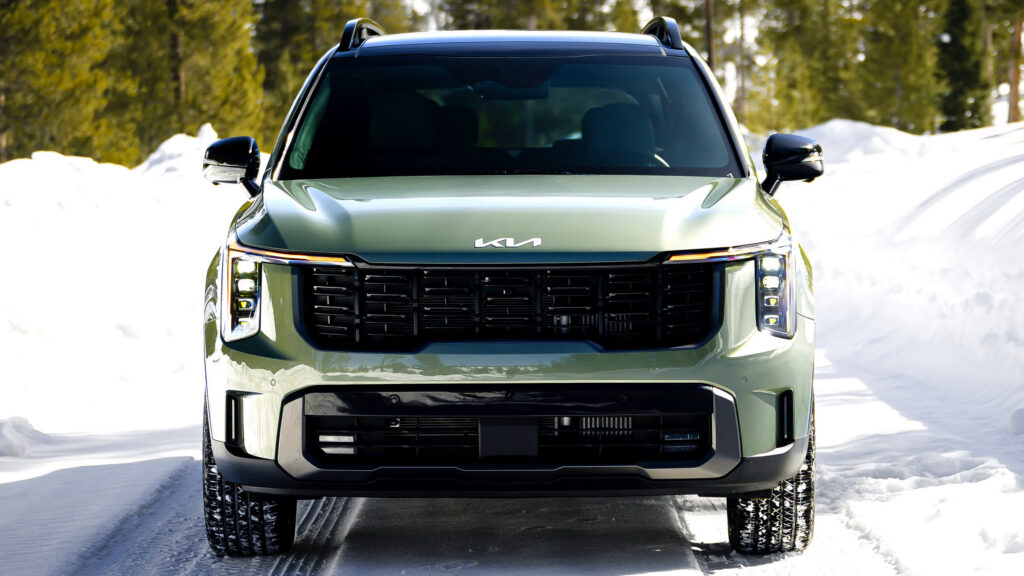
The lawsuit was filed by Indiana resident Robert Campbell, who owns a 2025 Kia Sorento. He recounts that last October he took his SUV for an oil change to a Valvoline Instant Oil Change. Despite Kia’s clear recommendation to use 0W-30 oil, the station poured 5W-30 oil.
When Campbell realized the wrong oil had been used, he demanded a refund. However, instead of money, the station, according to him, replaced the oil again, but again with the wrong one. Only after turning to another service did he finally get the correct oil for his car.

Legal Consequences and Claims
In the class action lawsuit, Campbell claims that Valvoline does not even produce oil that meets Kia’s requirements. He seeks to represent the interests of all affected consumers nationwide, as well as separately—residents of Indiana who have used oil change services at Valvoline Instant Oil Change.
What Threat Does the Wrong Oil Pose?
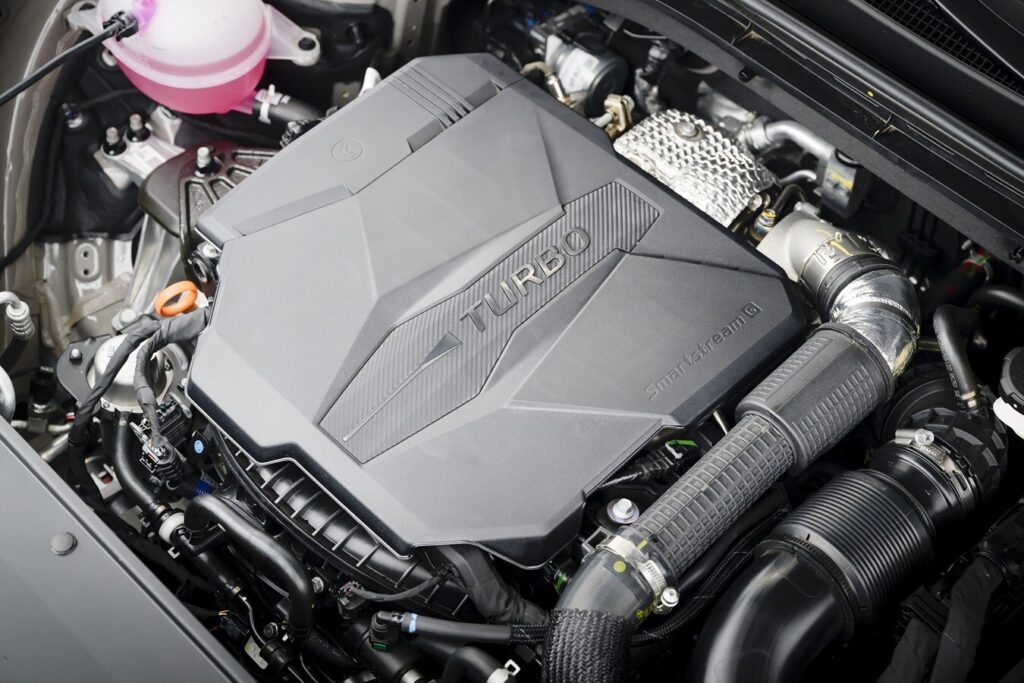
Modern cars, such as the Kia Sorento, use low-viscosity oils to reduce engine friction and, more importantly, to lower emissions. The difference between 0W-30 and 5W-30 oils is not critical: the latter is slightly thicker at low temperatures. Depending on the climate, this may not cause serious trouble.
However, the lawsuit states that the Sorento’s engine is now more prone to wear or damage, which has reduced the car’s market value. Campbell is demanding a jury trial, as well as various forms of damages, including compensation and an injunction against further violations.

This situation highlights a broader problem in the automotive service industry, where standardized service networks are not always able to cope with the technical nuances of hundreds of different models. For owners of new cars, especially those with strict environmental and engineering requirements, this creates additional risks. The incident also calls into question the effectiveness of internal quality control procedures in large franchised networks, where service speed can sometimes take precedence over accuracy. Similar lawsuits could become a catalyst for more careful oversight of the activities of even the most well-known brands in the auto service sector.