


Driver blamed Autopilot for speeding
Tesla’s driver-assistance systems have been called many things over the years: impressive, dangerous, misleading, and even creepy. But none of those descriptions make them a legal replacement for the person sitting in the driver’s seat. A driver stopped in Parker, Colorado, seems to have missed that message and tried to argue that his Tesla should get the speeding ticket, not him. Not only did he hint at this idea—he demanded a supervisor be called to continue the argument.
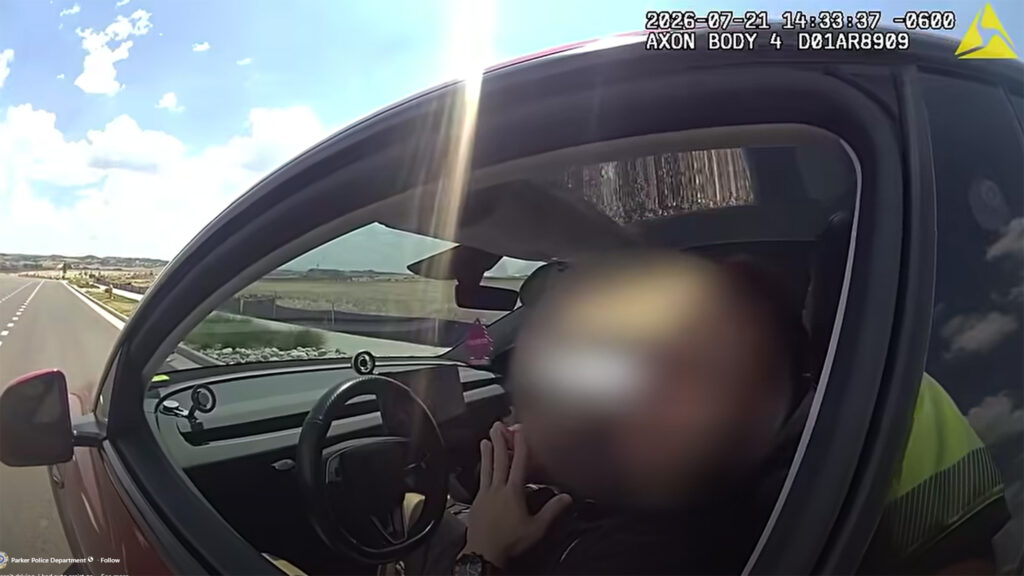
Body-camera footage released by Parker police shows an officer pulling over a Tesla after clocking it at 64 mph (103 km/h) in a 45 mph (72 km/h) zone. The driver’s explanation was quick to come.
“I wasn’t driving. It’s assisted driving. Autopilot, sir,” the driver said.
The officer was not swayed by that argument. He repeatedly asked for the driver’s license and made the key point as clear as possible: being in the driver’s seat means being responsible for the vehicle, regardless of whether Autopilot is controlling the steering, accelerator, or brakes at that moment.
“You can blame the car all you want,” the officer replied. “You’re the one driving.”
What Autopilot can actually do
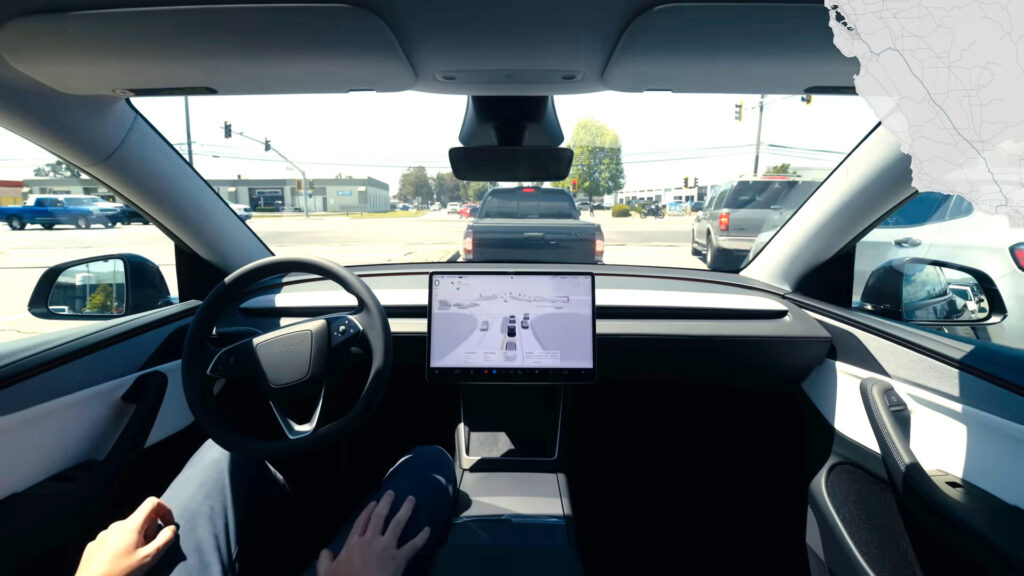
This may sound obvious, but it’s worth repeating because Tesla’s branding has long given people reason to overestimate what the system can do. Autopilot is a Level 2 driver-assistance system. So is Full Self-Driving (Supervised).
It can help with lane keeping and adaptive cruise control, but it still requires a licensed, attentive driver ready to take over at any moment. It does not turn a Tesla into a fully self-driving car, nor does it give the car its own rights, insurance policy, or court date.
The driver’s seat says otherwise
The driver kept insisting that he was simply sitting in the car while it drove itself. He asked how a judge could determine that he was the one driving. The officer’s answer was short again.
“You were driving.”
According to police, the man received a citation for speeding. He also demanded a supervisor, accused the officer of rudeness, and claimed he had a witness and recordings of the incident. And he did all of this while sitting behind the wheel.
Why this matters
This case is another reminder that the names of driver-assistance systems in cars should not be misleading. Level 2 automation means the car can help, but responsibility for driving always lies with the human. Even if the technology seems “smart,” it is the driver who must watch the road, the speed, and the rules. The argument in Parker illustrates how a misunderstanding of Autopilot’s capabilities can turn an ordinary speeding stop into a serious conversation with the police.