


Problems After a Wireless Update
Wireless updates promised great benefits. It was believed that cars would continuously improve even after leaving the dealership, and in many cases, this has indeed worked. One Volkswagen owner claims his experience was quite different: a routine installation allegedly left his sedan flooded with warning messages and stripped of several key functions. The automaker has not acknowledged any link between the software and the malfunctions, but the sequence of events has left the owner with a long list of questions. And, by the way, with a repair bill approaching $1,600.
Owner’s Testimony
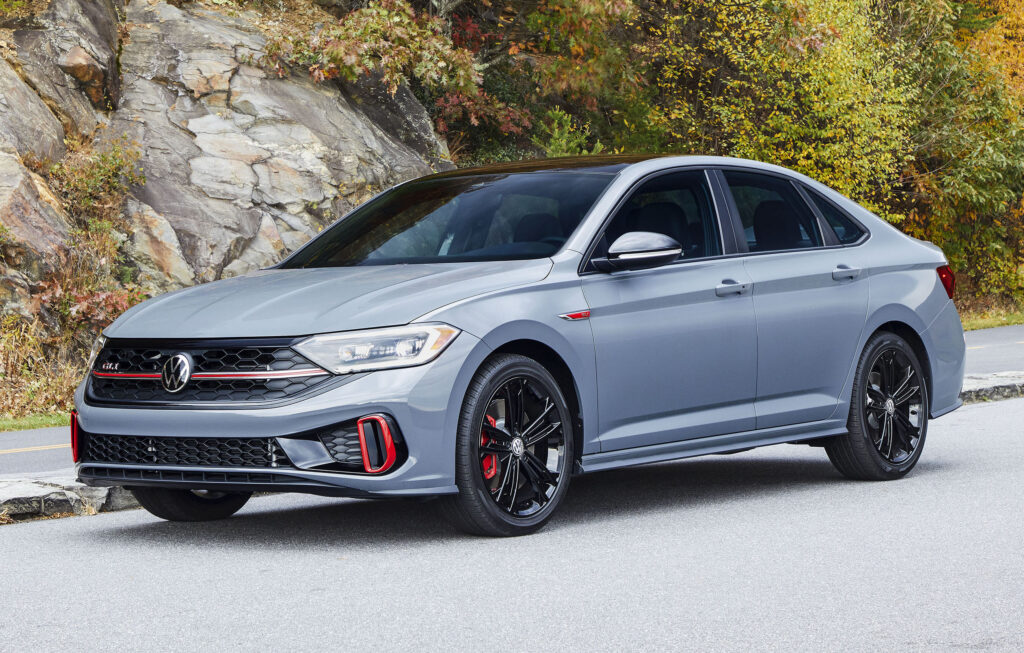
According to Cincinnati TV station WKRC, Asher Korman says that last month his 2021 Volkswagen Jetta began prompting him to install a software update. Instead of paying the dealer to perform the update, he decided to let the car install it wirelessly. As soon as he restarted the car, warning messages appeared on the digital instrument cluster.
“I got a ton of error messages on my digital instrument cluster,” Korman told WKRC.
Dealer’s Verdict

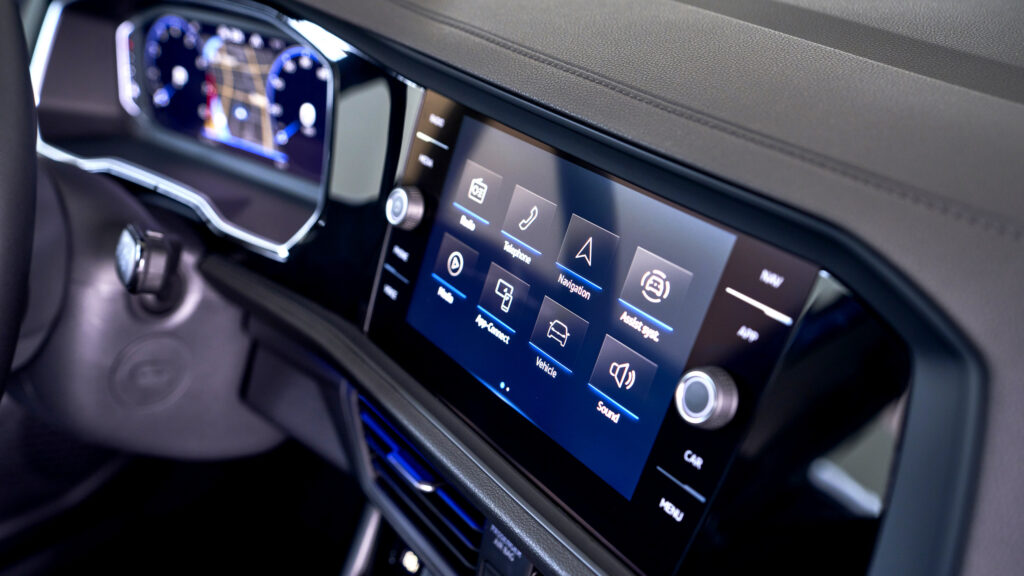
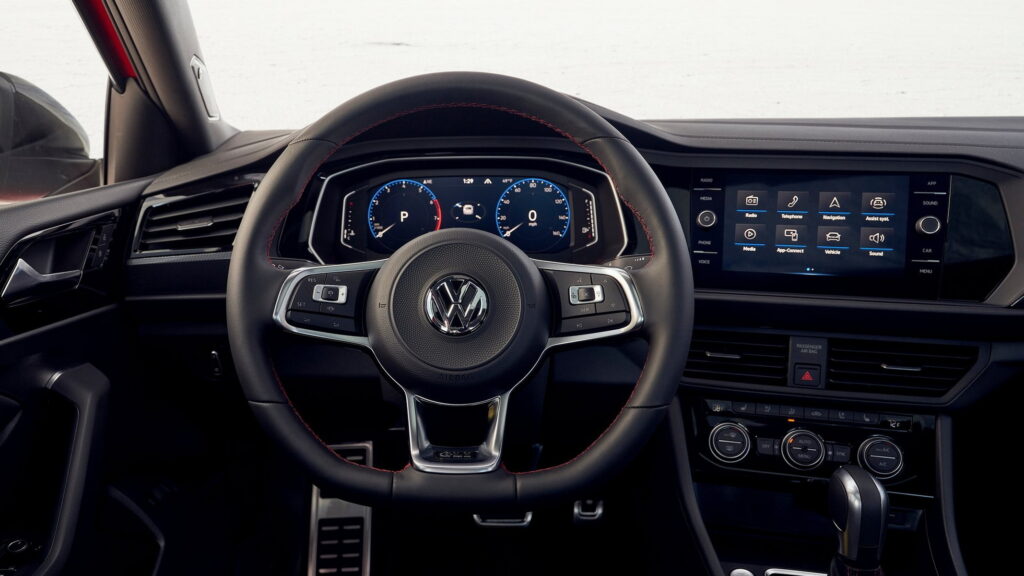
He says the update seemed to disable several features, including lane departure warning, reverse signals, parts of the infotainment system, and even vehicle information such as the oil temperature indicator. Thus, the malfunctions affected both comfort and safety functions. In other words, according to him, his car became worse, not better, all because he allowed the software update.
Diagnostics and Repair
Korman took the Jetta to a local Volkswagen dealership, where, he says, he was quoted around $200 for diagnostics and another $1,400 to complete the repair. Korman says the dealer identified the problem as a pre-existing condition unrelated to the software update, meaning it was not covered under warranty since the car’s warranty had expired.
Instead of agreeing to the work, he brought the car home and performed a hard battery reset himself. He says this restored some functionality, but many of the initial problems remained. To his credit, Korman acknowledges that the software update and the malfunctions could simply be a coincidence. Nevertheless, he says it is hard to ignore the timing, as the problems appeared immediately after the installation completed.
Official Position of Volkswagen

When asked about this incident, Volkswagen declined to discuss Korman’s specific vehicle but issued a general statement:
“At Volkswagen, we are committed to providing the highest level of quality and customer satisfaction. While we do not comment on individual cases, we encourage customers with questions or concerns to contact our customer service team for dedicated support.”
Whether the software update actually caused the problem or merely revealed an existing fault remains unknown. Regardless, the timing of the problem and the lack of compelling data from VW to disprove any connection looks rather strange.
This situation highlights the potential risks associated with over-the-air updates, which are becoming increasingly common in modern cars. While they can offer convenience and new features, the Jetta case shows that they can also lead to unexpected problems that owners have to resolve at their own expense, especially after the warranty period expires. The lack of a clear position from Volkswagen regarding the specific incident leaves open the question of the automaker’s responsibility for the consequences of its own updates, which may be significant for other owners facing similar situations.