


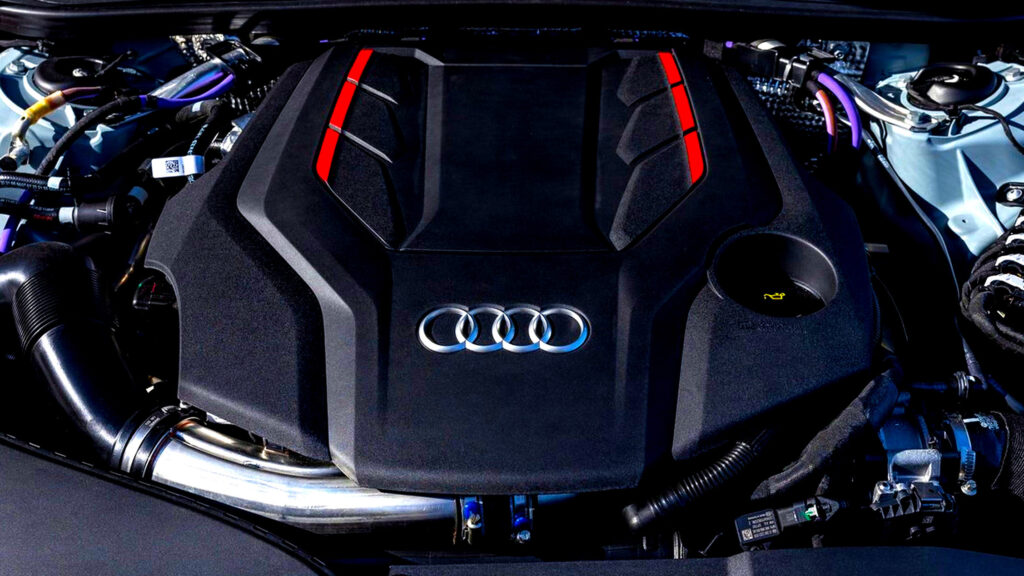
Problem with Water Pumps in Audi Engines
Water pumps are usually not a part that excites car enthusiasts. Nobody hangs posters of them on their bedroom walls, and nobody comes to Cars & Coffee asking what material the seal in your cooling module is made of. But if a new lawsuit is true, a tiny part hidden deep in Audi’s line of twin-turbo V6 engines could turn into a financially devastating problem.
A recently filed class-action lawsuit claims that Audi’s 2.9-liter and 3.0-liter EA839 family engines suffer from defective water pumps that can fail prematurely, potentially leading to coolant leaks, contamination, overheating, and, in severe cases, engine damage.
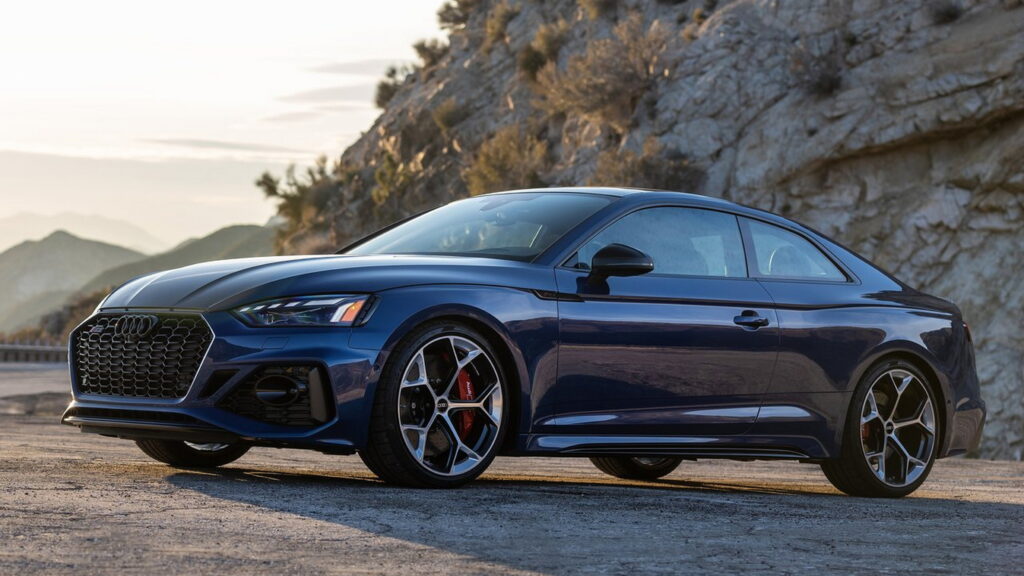
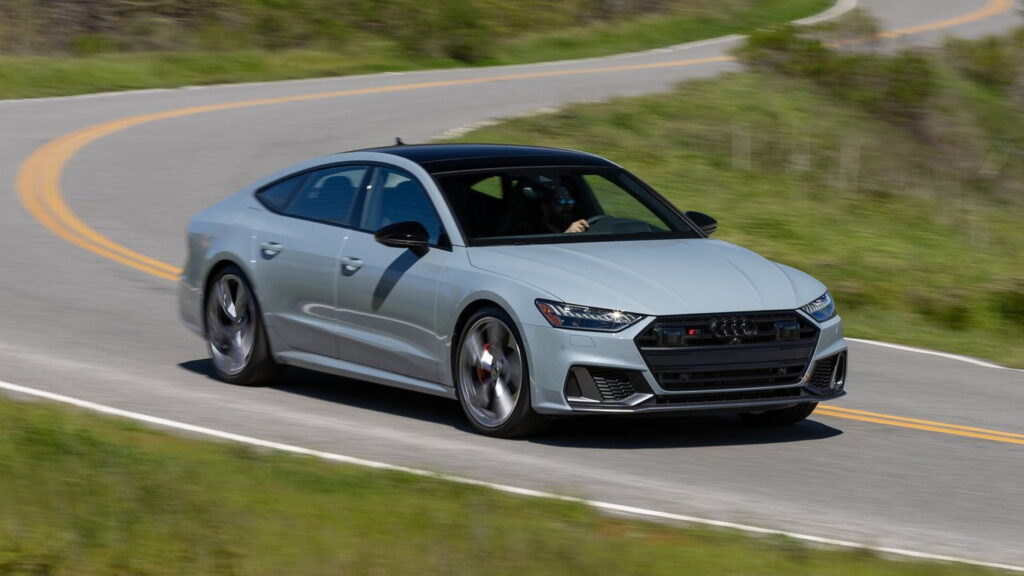
The lawsuit covers a long list of vehicles spanning most of Audi’s model range, including the A4, A5, A6, A7, A8, Q7, Q8, SQ5, S6, S7, and RS5 models from 2018 to 2024.
Essence of the Allegations in the Lawsuit
According to the filing reviewed by Carcomplaints, the problem is not a tiny, sporadic coolant leak. The plaintiffs claim that the seals, housing, and internal parts of the cooling module prematurely degrade under perfectly normal operating temperatures. Once this begins, coolant allegedly seeps into the vacuum system and other components, starting to wreak havoc. Of course, owners won’t notice the tiny leak when it first starts.

By the time warning lights come on or the coolant level drops enough to cause concern, the plaintiffs claim damage may already be occurring. The lawsuit also alleges that the problem can affect the turbochargers. There is no vehicle produced this century with turbochargers that are cheap to replace at a dealer.
Owners Footing the Bills
Two owners are leading the case. One owner from California says his 2019 Audi A6 required replacement of the water pump, PCV valve, and vacuum system after a mechanic discovered coolant leaking into the vacuum hoses. Audi reportedly refused assistance because the car was out of warranty, leaving him with repair bills of nearly $6,000.
A second plaintiff with a 2021 SQ5 says his coolant warning light came on at around 62,000 miles. After the warranty expired, he says Audi refused help, and he eventually paid over $1,400 for repairs. The lawsuit claims Audi knew about the problem as early as November 2018 and concealed the alleged defect while continuing to sell affected vehicles.
At this point, Audi and VW must respond to the lawsuit or file a motion to dismiss it. We will keep you updated as the case could affect many owners.
This situation highlights how important timely maintenance and careful attention to any warning signs are, even if the car is still under warranty. For Audi owners with EA839 engines, especially those whose vehicles have already left the warranty period, this lawsuit may be a reason to check the condition of the cooling system. The cost of repairs, which can reach several thousand dollars, makes this issue not just a technical trifle, but a serious financial risk. The development of the trial will likely draw attention to component quality and information transparency from the manufacturer, which could have consequences for the entire lineup of vehicles with these engines.