 by
by According to the results of a new national survey, drivers of certain car brands demonstrate different levels of honesty on the road. Here are the key findings of the study:
Research on Honesty Behind the Wheel
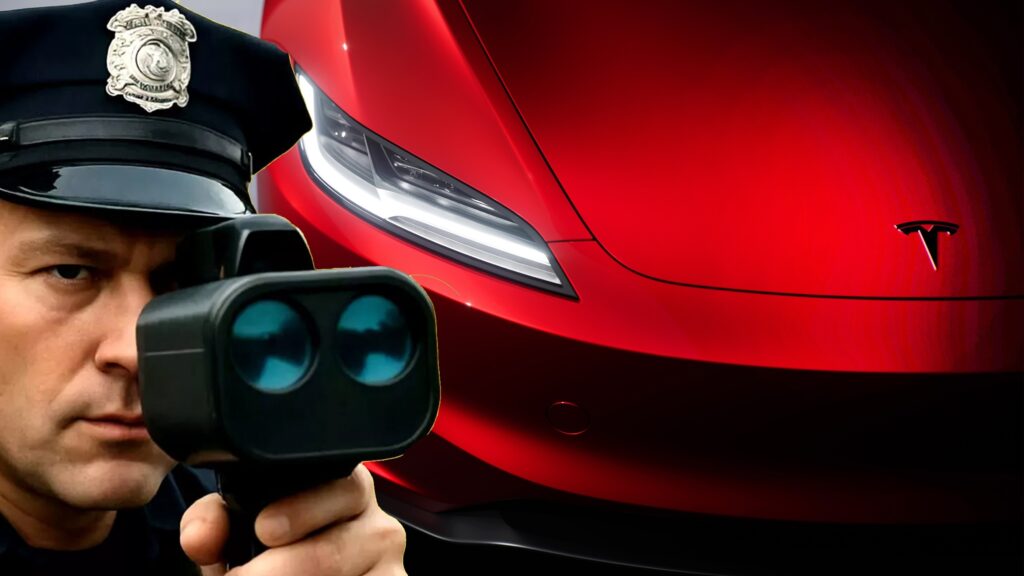
Tesla owners may be fascinated by the future, but according to a new survey, they are also prone to “rewriting history” when it comes to their own bad behavior on the road. The study, which involved 4,100 American drivers and was based on a professional psychological honesty test, claims that more than half of Tesla owners would try to “talk their way out of” a speeding ticket. This puts them in first place among those seeking excuses.
The test presented drivers with sixteen real-life scenarios to assess how truthful they would be behind the wheel. Among the scenarios were the temptation to quietly leave a parking lot after scratching a bumper, thoughts about avoiding a fine even when knowing they are at fault, or hesitation about whether to tell the insurance company everything.
Brand Honesty Ranking
Nationally, most respondents showed fairly good results. However, the news turned out to be less encouraging when researchers began comparing answers by car brand. When analysts from the comparison site Wheels Away sorted the results by what the participants drive, several clear patterns emerged.
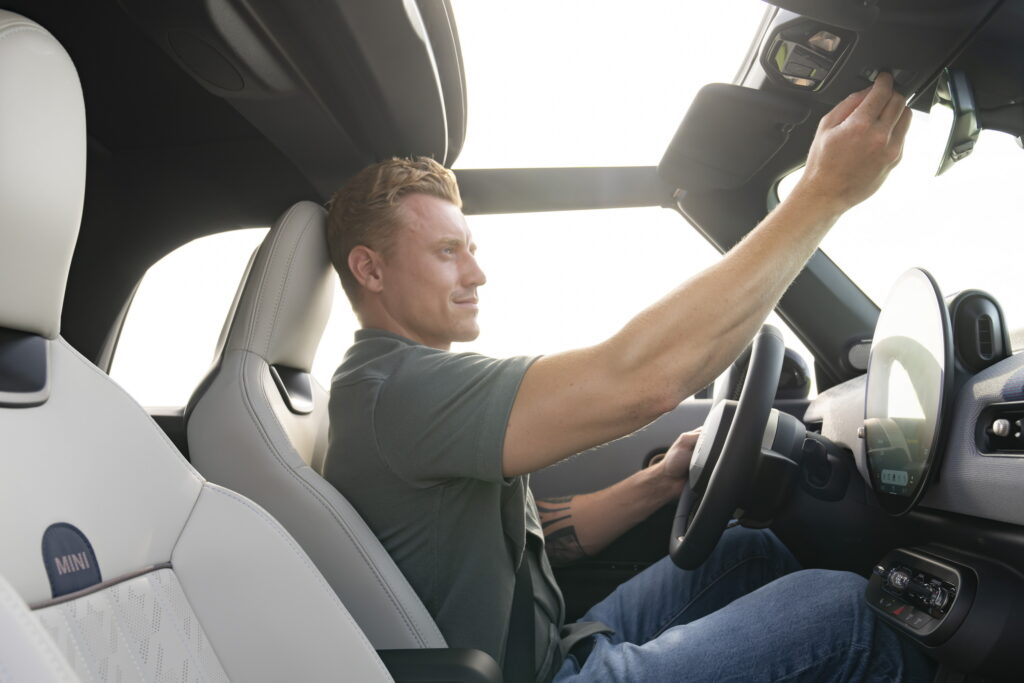
Mini owners ended up in the very last place for honesty with an average score of only 57.31 out of 80. Many of them admitted they would avoid punishment whenever possible. Acura drivers took second place in the dishonesty ranking, and Volvo drivers came in third. Yes, people who drive sensible Swedish cars turned out to be more cunning than their image might suggest.
Tesla drivers overall didn’t perform much better, but they topped everyone when it came specifically to speeding. According to the survey, 52.94% of Tesla owners admitted they would try to find an excuse if caught speeding. This was the highest percentage by a comfortable margin and significantly ahead of second-place Volvo. Mini drivers rounded out the top three among those seeking excuses for speed, which is entirely consistent with their overall honesty score.
The Least Honest Drivers by Car Brand
Here is what the top ten least honest drivers look like according to the study results:
- 1st place: Mini – 57.31 points (out of 80)
- 2nd place: Acura – 58.00 points
- 3rd place: Volvo – 58.79 points
- 4th place: Ram – 59.21 points
- 5th place: Pontiac – 59.50 points
- 6th place: Lexus – 59.77 points
- 7th place: Audi – 59.82 points
- 8th place: Tesla – 59.86 points
- 9th place: GM – 60.15 points
- 10th place: Chrysler – 60.40 points
Honesty Leaders and Conclusions
At the other end of the scale were brands whose drivers actually tell the truth. Mitsubishi owners were recognized as the most honest of all with a score of 64 out of 80. Infiniti drivers took the spot right behind them, and Lincoln, Mazda, and Jeep owners also showed good results. These are the people who would probably leave a note on the parking lot instead of pretending the scratch was already there.
Despite all the accusations, the study found that most American drivers believe honesty matters. Nearly two-thirds of all respondents rejected the idea that breaking the rules is acceptable if no one was hurt.
Unfortunately for Tesla owners, this still leaves plenty of room for creative storytelling that happens when a police officer asks the simplest question: do you know how fast you were going?
Most Prone to Seek Excuses for Speeding
Ranking of brands whose drivers most often try to justify speeding:
- 1st place: Tesla – 52.94%
- 2nd place: Volvo – 47.06%
- 3rd place: Mini – 43.75%
- 4th place: Acura – 43.59%
- 5th place: Audi – 43.18%
- 6th place: Volkswagen – 41.49%
- 7th place: Kia – 37.16%
- 8th place: Hyundai – 37.05%
- 9th place: Lexus – 35.90%
- 10th place: Subaru – 35.89%
Interestingly, the results of this type of research often spark discussions about whether they reflect the actual character traits of owners of certain brands or are a consequence of other factors, such as the demographic characteristics of buyers, insurance costs, or even the marketing image of the car itself. Electric vehicle drivers, particularly Tesla drivers, are often perceived as innovative and technologically progressive, which, psychologists suggest, may foster a certain sense of exceptionalism. However, it is important to remember that any generalizations by car brand are limited in nature, and road safety depends on the personal responsibility of each driver, regardless of what they drive.