


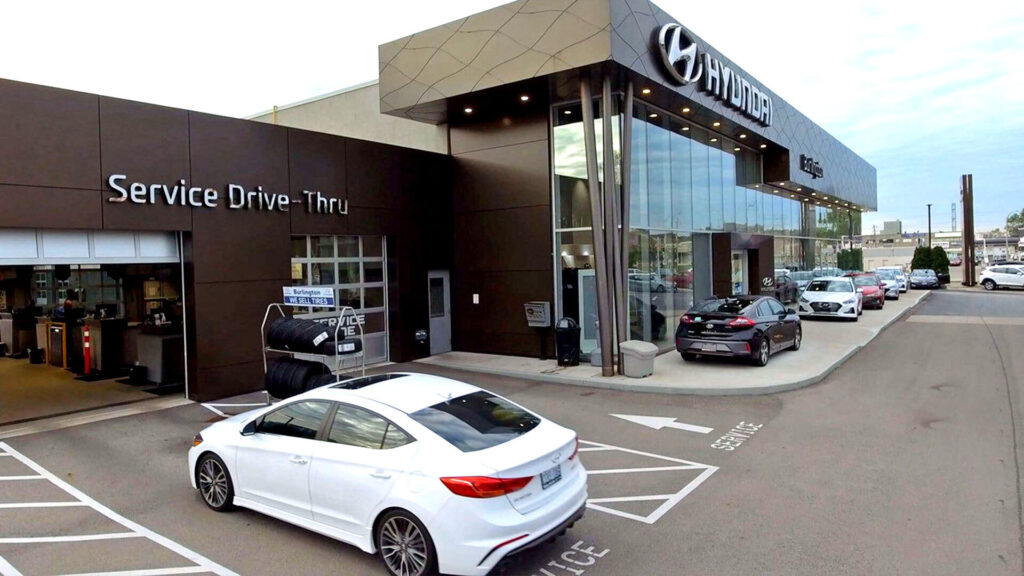
Hyundai launches mobile service to address service center congestion
Hyundai has joined other automakers in introducing mobile service. This initiative aims to “enhance customer convenience and help solve problems with limited service center capacity” due to rising sales.
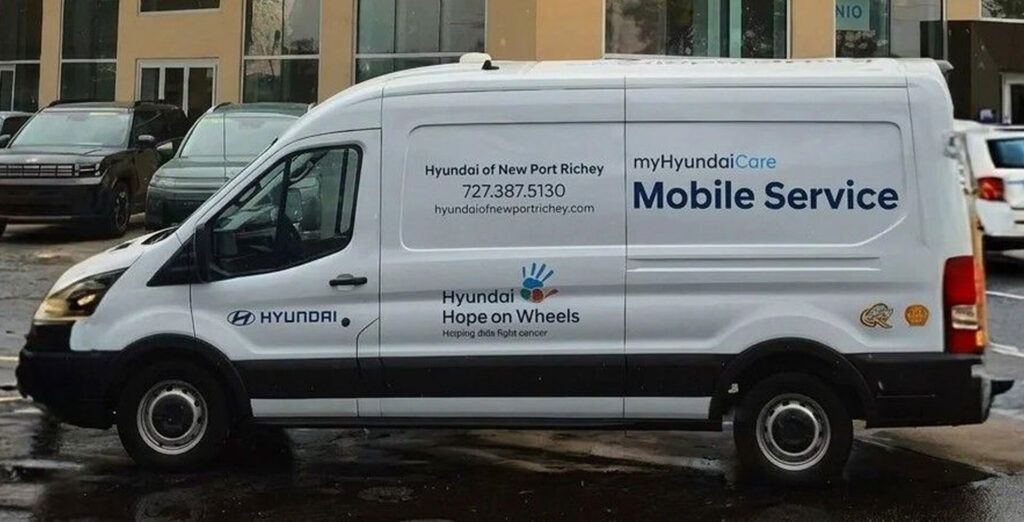
Following a successful pilot program, Hyundai dealers will begin using specially equipped service vans that will travel to the car owner’s home or workplace for on-site repairs. This eliminates the need to spend time traveling to a dealership and, according to the company, reduces overall service time.
Read more: Ford tackles dealer service shortage with nationwide mobile mechanic network
This sounds like a win-win scenario, but mobile service will be limited to scheduled maintenance and routine repairs. This includes services such as “oil changes, tire rotations, software updates, brake pad and rotor replacement, service campaigns, as well as washing and detailing.” The work will be performed by certified technicians using genuine Hyundai parts, so customers will receive the same level of service as at the dealership.
Plans for 150 mobile teams by the end of the year
Hyundai plans to deploy 150 mobile service units by the end of the current year. This is a relatively small number, but it is likely to grow in the coming years. The company noted that customers will be able to order mobile service by visiting the participating dealer’s website and scheduling an appointment.

Rising sales create pressure on dealers
The Korean automaker stated that “dealers are making significant long-term investments to expand capacity, improve service quality, and create a more convenient car ownership experience.” This is important as dealers are struggling due to record sales volumes.
As Hyundai Motor America noted in January, the company achieved its “fifth consecutive record year for annual retail sales and third consecutive record year for total sales.” Customers purchased 901,686 vehicles in 2025, an increase of 8% from the previous year.
This is a significant jump, but looking at the trend is even more telling: in 2021, sales were 738,081 units. Thus, over four years, sales have grown by more than 22%. All these buyers need their vehicles serviced, creating enormous pressure on dealerships. The introduction of mobile service should help reduce this strain.


This move by Hyundai is a logical response to the challenges of the modern market. On one hand, record sales indicate the brand’s success, but on the other, they create logistical problems for the service network. Mobile service not only increases customer loyalty among those who value their time but also allows dealers to distribute the workload more efficiently without physically expanding their facilities. It is worth noting that similar programs are already being tested by other major players, such as Ford, indicating a general trend in the automotive industry towards the decentralization of service and a focus on maximum consumer convenience.