


Highway incident: A learner driver caught speeding at 168 km/h
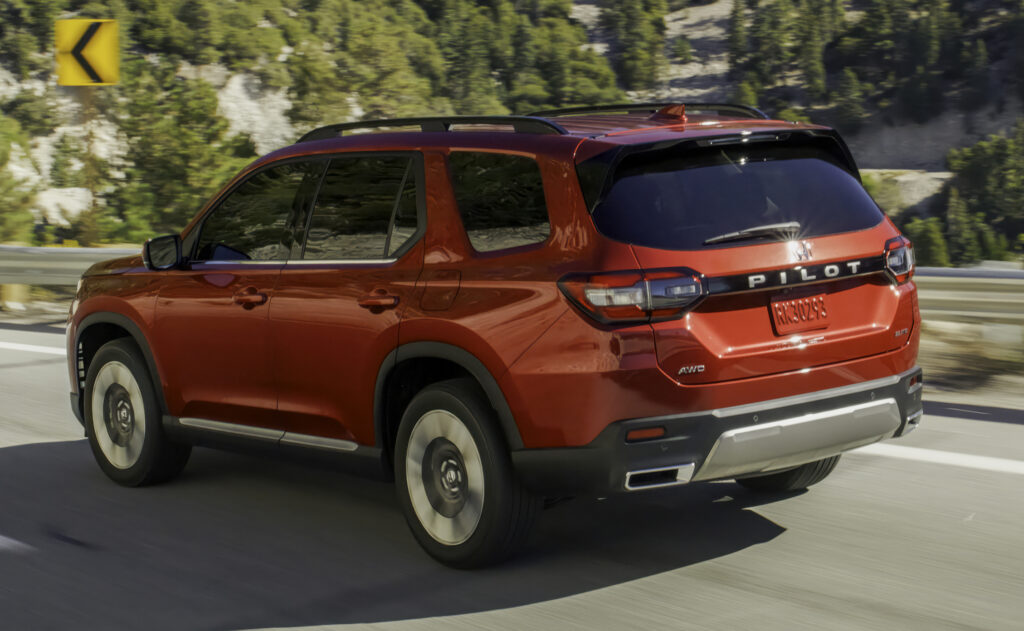
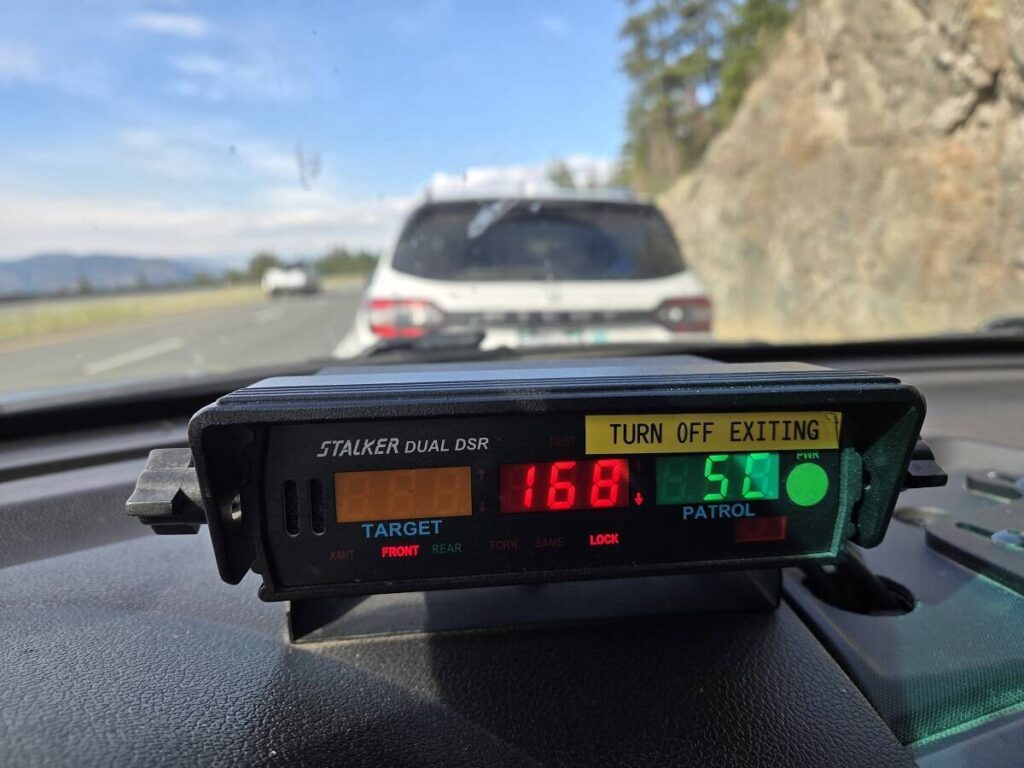
We all make mistakes behind the wheel sometimes, especially when we are just learning to drive. One young driver is now learning the consequences from her own bitter experience, and her family feels the pain as well. Canadian police report that she was clocked driving at 168 km/h in a 120 km/h zone. This reckless act ended with her father’s brand new 2026 Honda Pilot being sent to the impound lot.
Circumstances of the stop and passengers
According to the British Columbia Highway Patrol, the incident occurred on July 11 on the Coquihalla Highway (Highway 5) south of Merritt. The driver turned out to be a 20-year-old woman from Williams Lake, who was operating the SUV with a learner’s permit. Typically, learner drivers in British Columbia can only carry one passenger, but the province makes an exception for immediate family members. Since all five passengers were relatives, police deemed the vehicle was legally occupied, despite carrying six people.
Law enforcement did not clarify whether the parents were among the passengers. However, this did not stop them from questioning the wisdom of such a trip.
“This is a reminder to everyone that just because something is technically legal doesn’t mean it’s a good idea,” said Corporal Michael McLaughlin of the British Columbia Highway Patrol. “Learner drivers do not have proven skills to safely transport a large number of passengers, which this driver demonstrated when she decided to speed.”
The cost of speed
Police issued the driver a fine for excessive speeding totaling 368 Canadian dollars (267 US dollars) for driving 41-60 km/h over the limit. The new 2026 Honda Pilot was also impounded for seven days, with towing and storage costs added to the bill. Authorities note that the driver will also face at least three years of increased insurance premiums, which is estimated to bring the total financial burden to nearly 2,500 Canadian dollars (1,815 US dollars).
Who pays for the mistake?
While the penalties fall on the driver, the impound fees typically become the responsibility of the registered owner. In this case, that is the driver’s father, leaving the family to decide who will ultimately pay for the week-long loss of their nearly new SUV. This is probably not the kind of family discussion anyone wants to have on the shoulder of Highway 5.

This case clearly demonstrates how one reckless act can have serious financial and practical consequences not only for the driver themselves but for the entire family. In addition to the immediate fines and towing costs, the long-term consequences in the form of increased insurance premiums can significantly impact the budget. The situation also highlights the importance of responsible driving even when legal exceptions apply, as technical legality does not always guarantee safety, especially for inexperienced drivers.