


New Program for Drivers in Washington
A traffic stop is always a stressful experience, and for neurodivergent drivers, it can quickly escalate from discomfort to genuine terror. Now, the state of Washington is taking steps to help reduce tension in such situations. A law known as the “blue envelope” introduces a new method of communication between law enforcement and motorists.
The Essence of the Voluntary Initiative
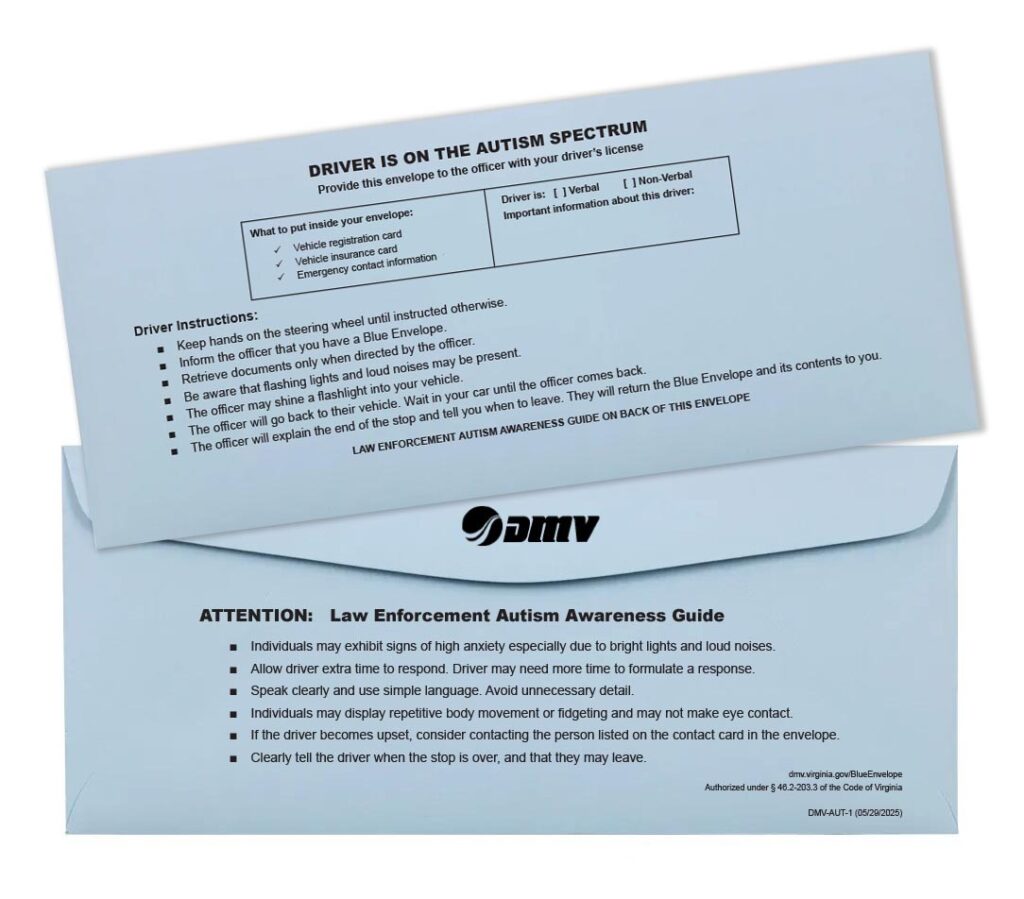
The law creates a voluntary program that allows drivers with conditions such as autism, ADHD, or other neurological differences to keep their license, registration, and insurance inside a blue envelope. This envelope signals to officers that the person may communicate differently or need additional time to respond.
The envelopes will be available through the state’s driver’s license system, and drivers do not need to provide proof of diagnosis to use them.
Proponents of the idea explain that it is simple. For people with neurodivergent thinking, loud commands, flashing lights, and sudden questions can be particularly overwhelming. Police sometimes mistakenly interpret reactions to these stimuli as intoxication, non-compliance, or suspicious behavior.
The Blue Envelope as a Signal for Police
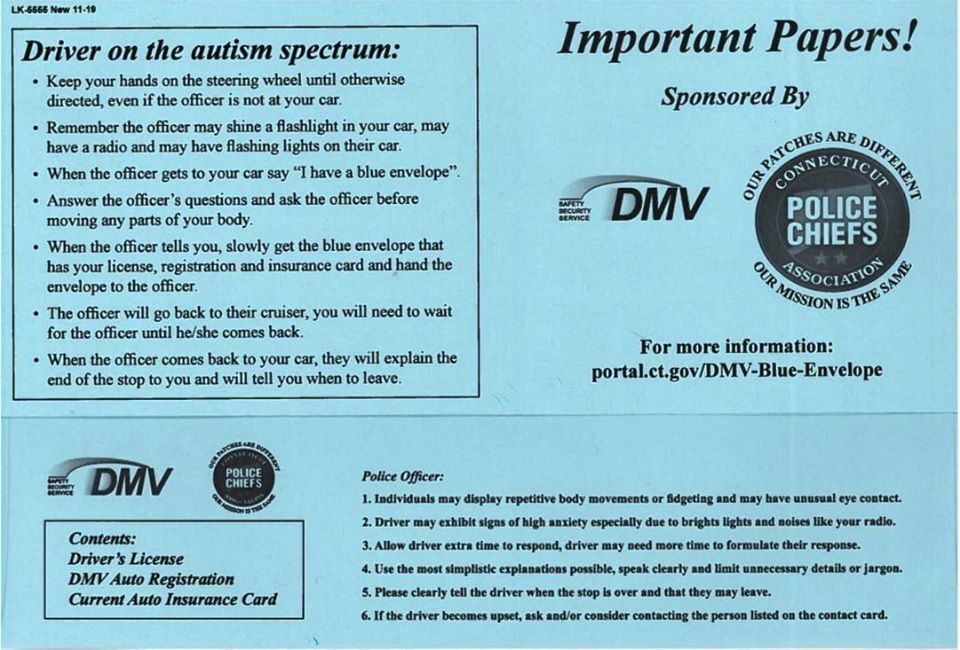
The blue envelope serves as a signal to police that a person may need a bit more patience. It is important to note that Washington is not the first state to implement such a program. A similar initiative was launched by Connecticut in 2020, although there are no published data yet on whether it has improved safety or the traffic stop experience. Nevertheless, it is easy to understand how it could help some drivers.
Question of Driver Qualification
The entire law raises another important question. If a routine traffic stop can be so stressful, does that say something about that person’s ability to drive at all? This is a fair question, but the blue envelope law does not change driving requirements. Those participating in the program must still pass all the same tests and medical protocols as everyone else.

The Difference Between Driving and Interaction
The distinction pointed out by proponents is that the act of driving itself is structured and predictable, whereas a traffic stop is a sudden social interaction with flashing lights, authority figures, and unclear expectations. A person may be fully capable of safely operating a vehicle but still struggle with such a high-stress encounter. Now, drivers in Washington have one additional tool to navigate such a situation.
The introduction of such programs points to a broader trend in society—the recognition of the diversity of human experience and the need to create inclusive mechanisms for interaction, even in standardized procedures like a police stop. The success of such an initiative will depend not only on the distribution of envelopes but also on proper training for law enforcement to recognize and adequately respond to these signals, turning a formal gesture into a genuine easing of communication.