 by
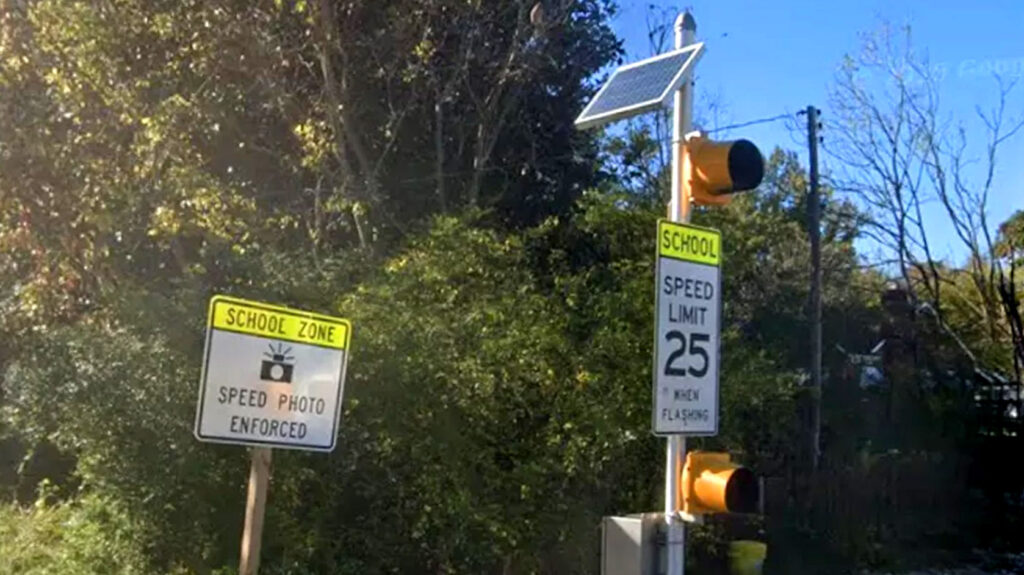
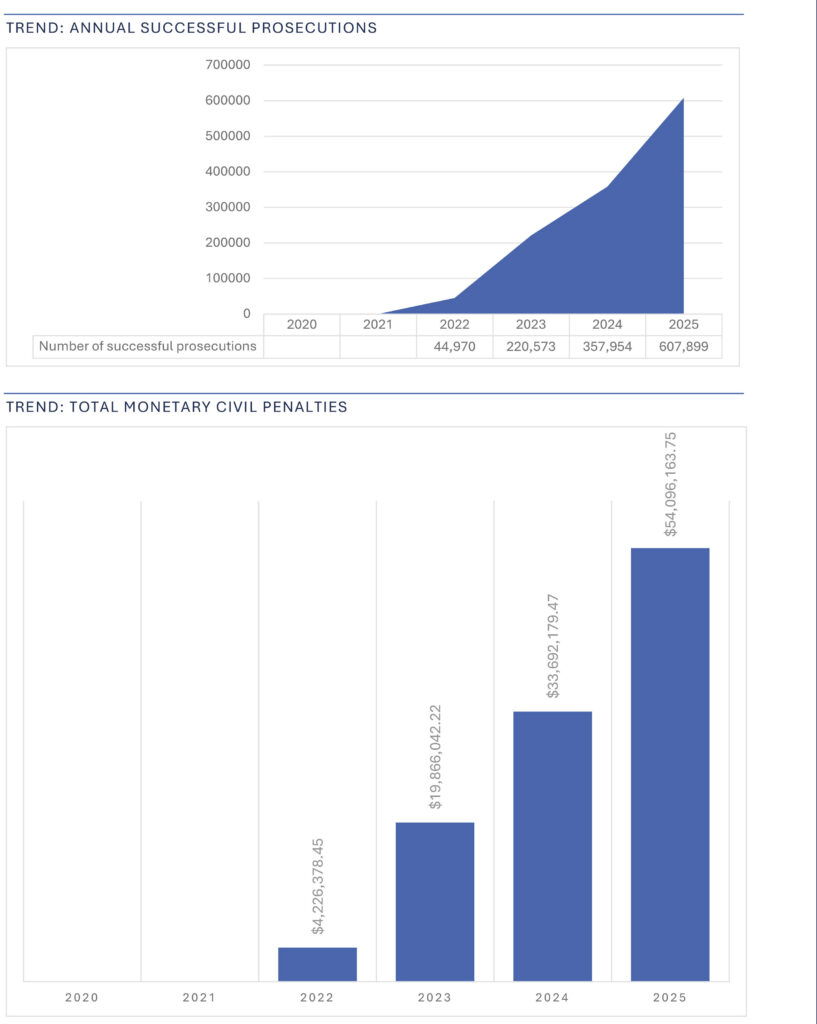
by The state of Virginia, despite its romantic motto, has proven to be harsh on drivers who enjoy speeding. In 2025, automated speed cameras issued over 600,000 fines, and the total amount of collected penalties exceeded 54 million dollars.
The Scale of the Phenomenon According to the Report
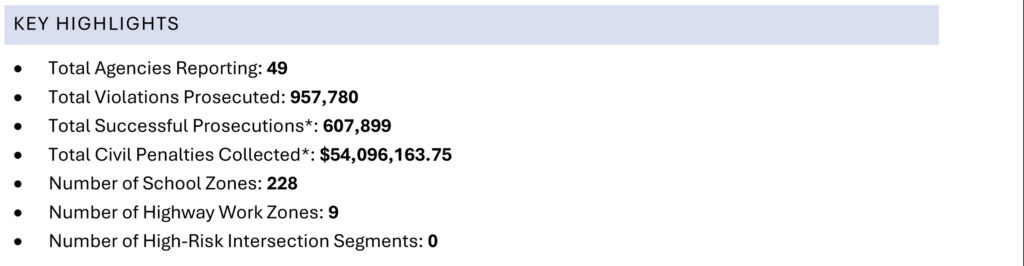
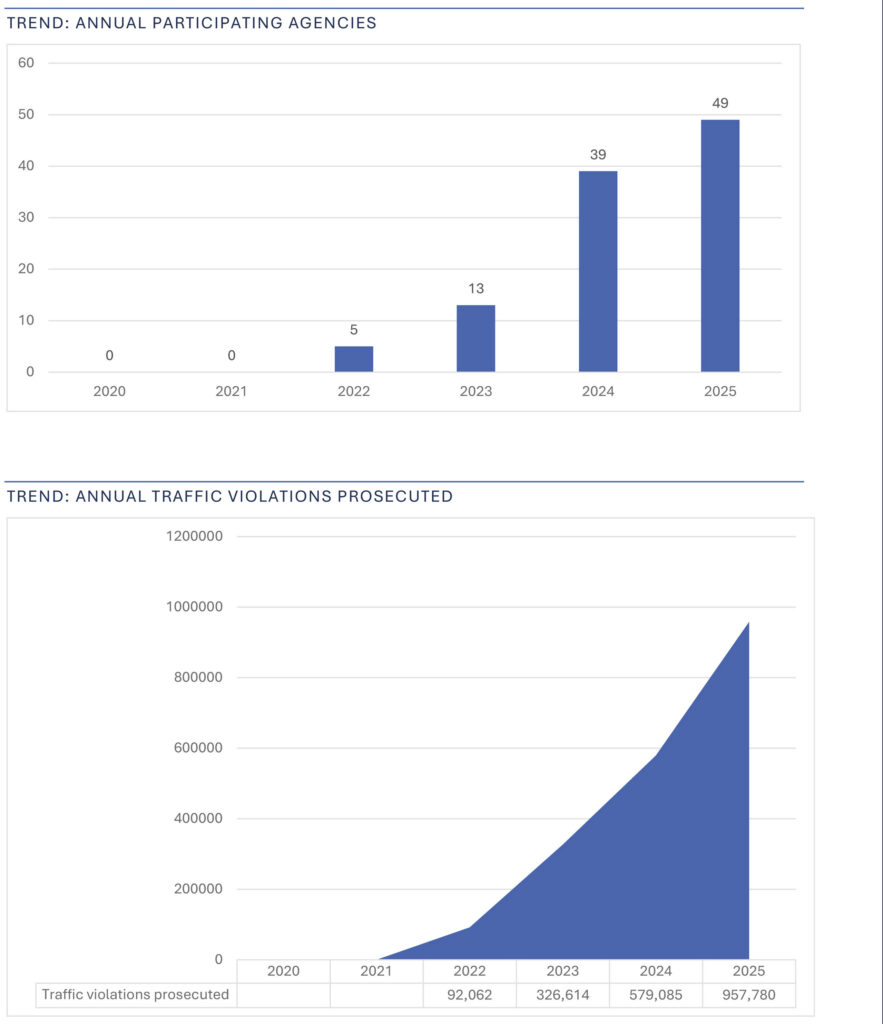
The figures are cited in the Virginia State Police report for 2026, which covers automated speed enforcement activity from January 1 to December 31, 2025. The data was provided by 49 state and local law enforcement agencies operating photo/video enforcement systems in school zones and work zones.
In total, the report recorded 957,780 violations, of which 607,899 were successfully upheld, leading to the collection of $54,096,163.75 in civil penalties statewide.
Daily Violation Statistics
Considering all recorded violations, the state’s automated cameras registered an average of 2,624 cases per day. That’s approximately 109 violations per hour, or nearly two violations per minute, around the clock throughout the year. Even taking only the violations for which fines were paid, the numbers remain high: an average of 1,665 violations per day or 69 per hour.
Safety Gain or Fiscal Interest?
While safety is often the primary justification for automated enforcement programs, the fiscal component is hard to ignore. Without this program, Virginia would collect an average of $148,208 less per day.
Geography of Fines: School Zones and Work Areas
The majority of fines were issued in school zones. Out of over 230 cameras operating statewide, 228 are located there. These devices generated 656,268 fines, which is not surprising given that many are installed on major highways. Another nine cameras installed in work zones recorded 301,512 violations.
Specifics of “Camera” Fines
Unlike traditional speeding tickets, violations recorded by a camera are treated as civil penalties. This means they do not add points to driver’s licenses and do not affect insurance rates, unless an officer later personally serves a summons. A similar situation is observed in other states, for example, in New York, where some drivers view speeding fines simply as a cost of operating a car.
Such a large-scale control system, on one hand, demonstrates significant potential for budget replenishment and theoretical safety improvement in risk zones. On the other hand, it raises questions about priorities: whether the goal is truly reducing dangerous situations or ensuring stable financial revenue. As for drivers, they must remain especially vigilant on Virginia’s roads, remembering that a violation may be monitored not only by a police officer but also by an automated lens.