 by
by The Reality of Distracted Driving vs. Drivers’ Perception
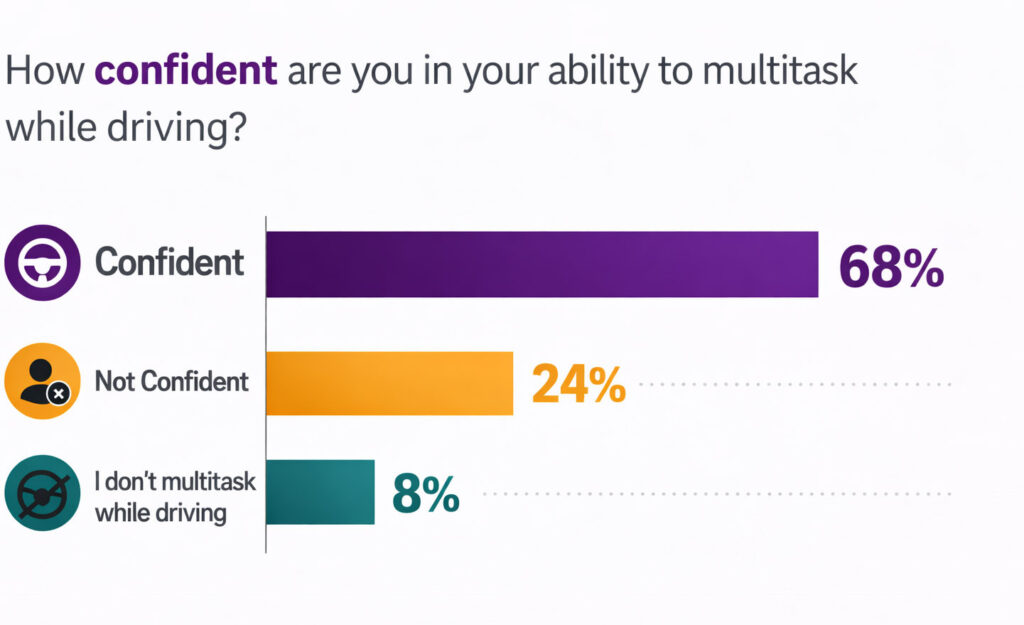
The majority of drivers are confident that they are more attentive than others on the road. However, a new survey suggests the opposite. According to the data, the average American driver admitted to engaging in 10 different types of distracting behavior behind the wheel over the past year. Despite this, most still consider themselves more attentive than the average road user.
This very discrepancy between perception and reality is the key finding of the study. Only 8% of respondents stated that they avoided all 27 types of distraction listed in the survey. Even more telling is that 69% of those who admitted to over 20 distractions still rated themselves as more attentive than other drivers.
Most Common Distractions While Driving
A survey of 2,500 drivers showed that the most frequent distractions are those many likely consider harmless. Topping the list was drinking beverages while driving at 79%. 69% admitted to adjusting navigation on their phone, and the same percentage admitted to reaching for something inside the car. 66% stated they took calls via speakerphone, and 61% confessed to eating while driving.
It is extremely telling that 69% of those who admitted to over 20 distractions still rated themselves as more attentive than other drivers.
Texting remains a serious problem: nearly 59% of drivers admitted to reading text messages or notifications while driving. More surprising is that 55% stated they simply let their minds wander away from the road, and 54% admitted to looking at something outside the vehicle instead of watching the road.
Regional Characteristics and Accident Statistics
The data was also analyzed by state, and drivers from southern regions stood out negatively. Alabama ranked first: 45% of respondents admitted to driving while distracted. It was followed by Georgia and Massachusetts at 42%, and West Virginia and Tennessee at just over 40%.
Alabama drivers are particularly prone to talking on the phone without a speaker. Nearly 80% of drivers in Georgia admitted to adjusting navigation while moving. Massachusetts, in turn, showed the highest rate of texting while driving.
Normalization of Dangerous Behavior and Its Consequences
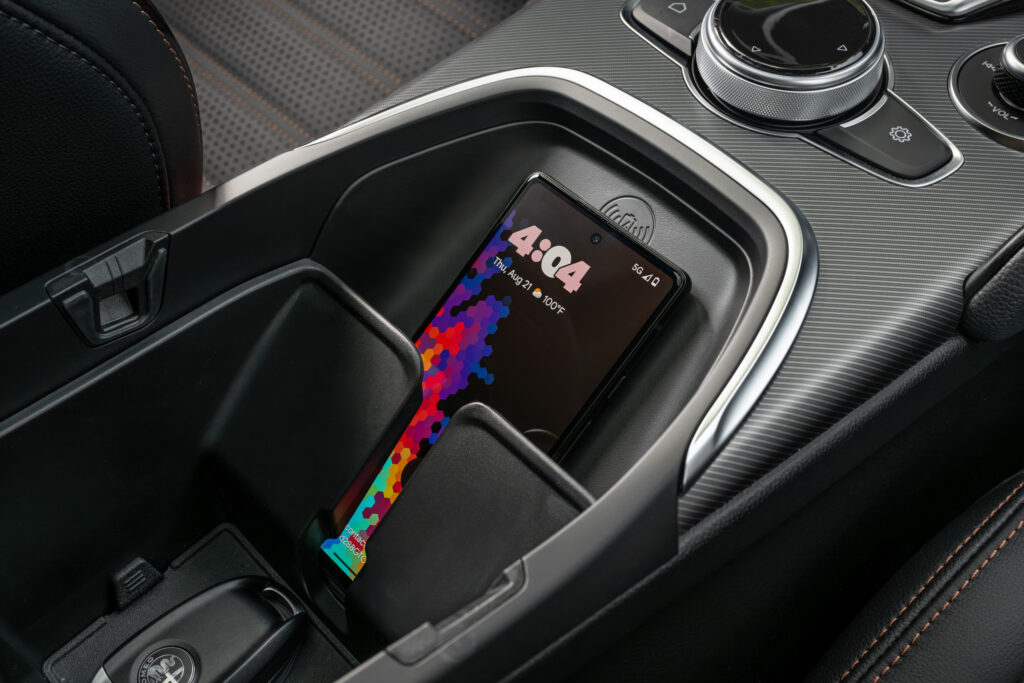
The broader conclusion of the survey is hard to ignore. Americans know that driving distracted is dangerous, but many have become so accustomed to it that it no longer feels risky. However, this confidence may be misplaced. In 2023 alone, distraction-related crashes claimed the lives of 3,275 people and injured another 289,310 across the country.
These numbers highlight a systemic problem. The least common distractions turned out to be those most talked about: only 13% admitted to scrolling through social media while driving, and only 10% said they watched short videos. This may indicate that society focuses on obvious threats while ignoring everyday, habitual actions that, cumulatively, pose no less danger. Technologies designed to make life easier, such as navigation and hands-free communication, have themselves become part of the problem, creating an illusion of safety. Road safety requires not only knowing the rules but also critically re-evaluating one’s own driving habits.