


Los Angeles Law Enforcement Uses Plainclothes Officers for Special Operations Against Drivers
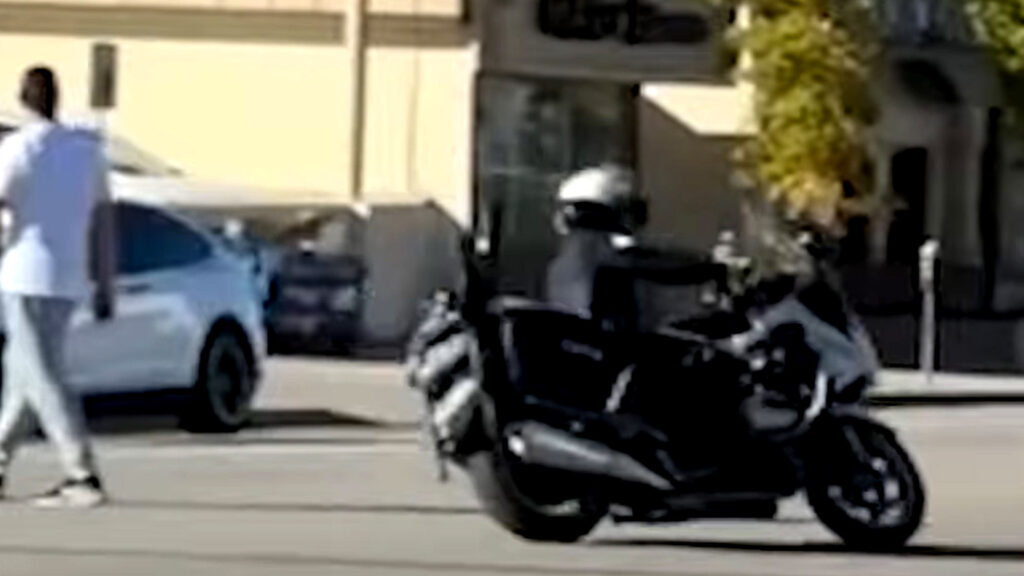
The Los Angeles Police Department (LAPD) is employing controversial methods to combat traffic violations. Officers, some in plain clothes, deliberately cross the roadway outside of marked crosswalks. The goal of these actions is to identify drivers who fail to yield to pedestrians, with subsequent stops by motorcycle units.
Local residents and activists view such actions as provocation and entrapment, while police insist it is part of a campaign to improve road safety.
The key points of the situation are:
Public Reaction and Police Position
A video recorded by a witness in Woodland Hills quickly spread on social media, causing a wave of outrage. The eyewitness sharply criticized the actions of law enforcement in their comment:
They hide in parking lots and hire people to cross the street. Anyone who doesn’t yield to them gets stopped. Look at these police officers. You’ve gone crazy. This is madness!
LAPD representatives defended the operation in a comment to ABC 7. They stated that the actions are conducted in areas with high injury rates, known for serious accidents, and the goal is to educate drivers and improve pedestrian safety.
Legal Context and Safety Statistics
An important legal aspect is that California laws grant unmarked crosswalks the same status as marked ones. This means drivers are obligated to stop and yield to pedestrians at any location where it is not prohibited.
Police emphasize the seriousness of the problem, citing statistics according to which pedestrian fatalities in the region exceed the number of homicides. However, the statement does not specify whether these fatal incidents occurred due to drivers’ unwillingness to stop or due to other actions by the pedestrians themselves. This statistic gains additional resonance against the backdrop of a recent incident where an LAPD patrol car struck and killed a pedestrian.
This police tactic reveals the complex balance between ensuring strict enforcement of rules aimed at saving lives and the public perception of fairness and law enforcement priorities. While the goal of reducing accidents is noble, the methods raise questions about proportionality and the effective use of resources. The situation also points to a deeper problem of urban space and infrastructure design, where conflicts between drivers and pedestrians are often embedded in the very architecture of the streets, and law enforcement is forced to bear the brunt of resolving these systemic contradictions.