


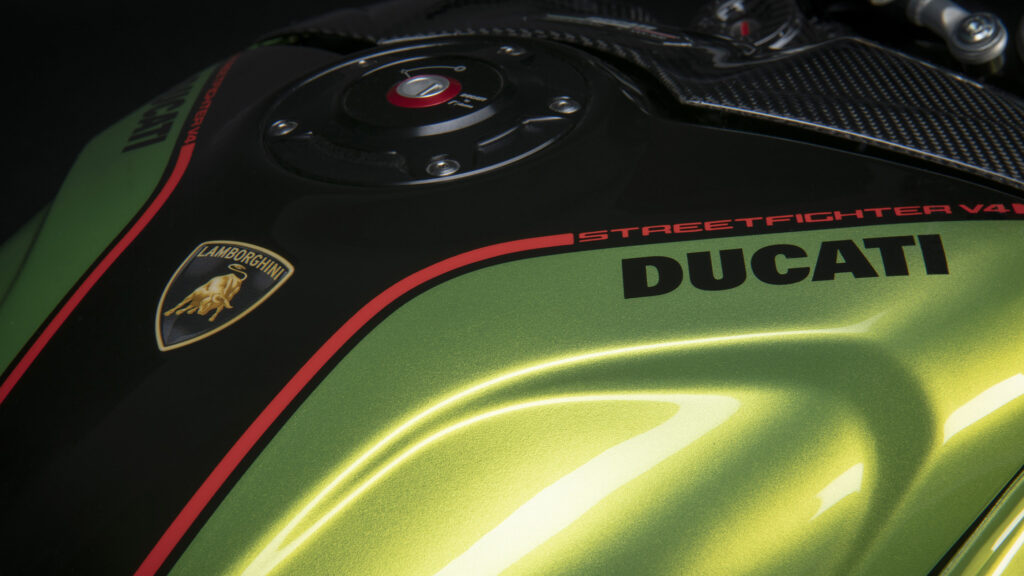
The Volkswagen Group is likely considering the sale of its most valuable brands, such as Lamborghini and Ducati, as part of a large-scale restructuring plan aimed at saving costs. If these brands become available for purchase, they could generate enormous interest from investors. However, analysts believe that VW is unlikely to sell its profitable premium brands, despite calls to do so.
Selling assets to finance transformation
Volkswagen has already sold one major business, but it appears it does not plan to stop there. New reports suggest that the German giant is again weighing whether valuable brands like Lamborghini or Ducati could help finance an expensive transformation program.
According to the Financial Times, these discussions come after the successful sale of a controlling stake in the marine engine business Everllence. The deal is rumored to have fetched a much higher valuation than expected, but the proceeds could be quickly spent on a massive restructuring program and necessary investments in future products.
The cost of the rescue and market pressure
Volkswagen’s problems are quite serious. The company is reportedly preparing to cut up to 100,000 jobs and close four factories, making this one of the largest corporate restructurings in recent decades. At the same time, it is engaged in fierce competition with Chinese automakers and spending significant funds to remain competitive in the era of electric vehicles.
This perfect storm has inevitably revived talk of asset sales. The Financial Times reports that advisors are urging Volkswagen to return to previously proposed options, including selling Ducati or floating Lamborghini on the stock exchange. The possibility of selling Ducati was already considered a few years ago, and the highly profitable Lamborghini (which earned $888 million last year despite tariff issues) has long been considered one of the group’s most valuable businesses.
Brand valuation
VW’s subsidiary, Audi, acquired Lamborghini in 1998 for $110 million, but Bloomberg Intelligence has since valued it at over $22 billion. VW bought Ducati, again through Audi, in 2012 for $909 million.
Not everyone believes that the sale of either of these brands will happen. Analysts surveyed by the Financial Times argue that Volkswagen is unlikely to part with brands that consistently generate high profits.
For now, Volkswagen is not commenting on these assumptions. But the discussion itself says a lot about the pressure facing Europe’s largest automaker. If Lamborghini or Ducati ever leave the VW stable, who do you think should take the helm, and what projects should they approve that were not realized under VW’s leadership?
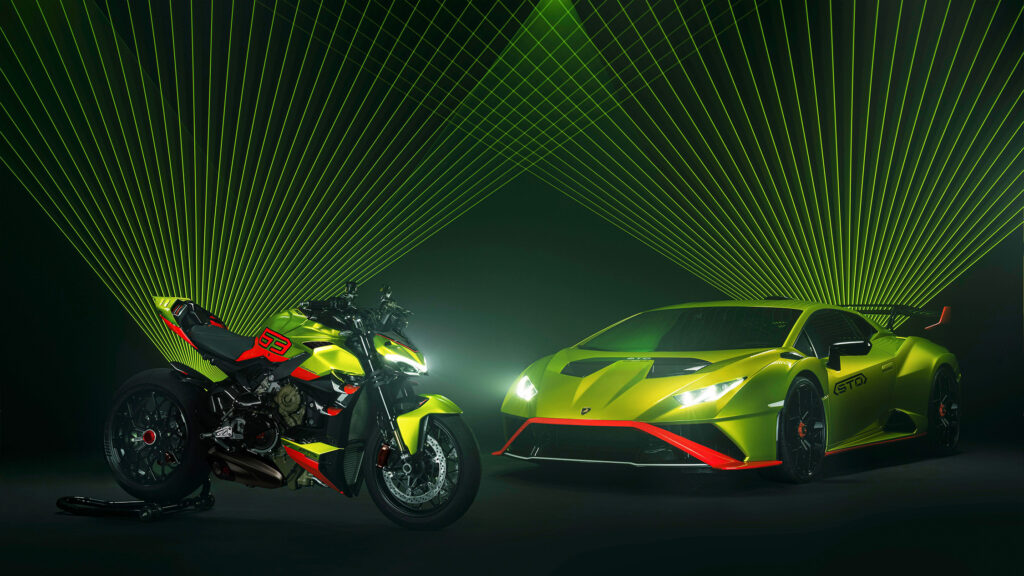

The situation surrounding the potential sale of Lamborghini and Ducati is a clear indicator of the deep crisis in which Volkswagen finds itself. Despite both brands being extremely profitable, the giant costs of electrification and fierce competition from Chinese manufacturers are forcing management to consider the most radical scenarios. Selling such “jewels” in VW’s crown would be an unprecedented step that would radically change the structure of the concern. However, given VW’s historical reluctance to part with profitable assets, the company will most likely try to find other sources of financing before making such a momentous decision. This could include attracting strategic partners or additional borrowing, but pressure on management from investors demanding increased efficiency is growing every day.