


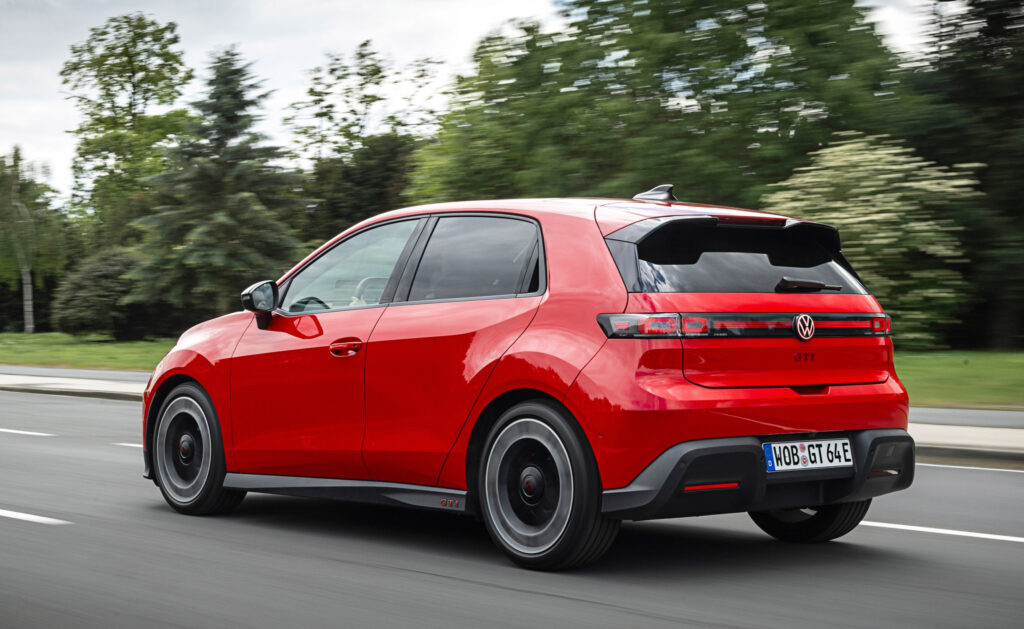
Volkswagen ends cooperation with Bosch in autonomous driving
Most major automakers have been investing in the development of fully autonomous driving systems for over a decade, promising they will radically change the automotive industry. According to new data, Volkswagen appears to have paused its large-scale project to build a self-driving car together with Bosch.
In 2022, VW’s software division — CARIAD — and Bosch joined forces to create a modular driver assistance system and fully autonomous driving technologies. The jointly developed solutions were planned to be used across all VW Group brands to better compete with players like Tesla and Mercedes, as well as new technology companies from China.
Read also: VW’s software firm and Bosch work on robotic technology for parking and charging cars
Now, according to the German newspaper Bild, the project has not met internal expectations. Despite investments of approximately 1.5 billion euros ($1.7 billion), VW is likely ending this cooperation.
Reasons for the split and search for a new partner
It is reported that VW still sees a significant gap between its own autonomous driving systems and those offered by competitors. The auto giant is well aware of how important these technologies will be for its future models, so while it is abandoning the partnership with Bosch, it is not abandoning autonomy as such.
In search of a new partner
The same report indicates that VW plans to purchase and develop the necessary hardware and software for advanced autonomous driving systems with another partner, rather than developing components in-house as it did with Bosch. Theoretically, this should allow VW to accelerate the development and deployment of more advanced autonomous technologies. However, it remains unclear whether the group will be able to recover any of the costs incurred during the cooperation with Bosch.
Bild claims that VW is already considering other partners and may be ready to sign a new deal by the end of September. The German automaker already has a partnership with Mobileye and is also collaborating with Rivian on a new electric and software architecture, so these two companies could be potential options.

This situation demonstrates how complex and expensive the path to true autonomous driving is, even for giants like Volkswagen. The abandonment of a multi-billion-dollar project indicates that the company’s internal quality and competitiveness standards turned out to be higher than the investments already made. At the same time, the quick search for a new partner by the end of September suggests that VW does not intend to waste time and aims to catch up with market leaders, possibly by choosing a more flexible or technologically advanced ally. The existing cooperation with Mobileye, or deepening ties with Rivian, could be the key to accelerated implementation of autonomous features in the future models of the German concern.