


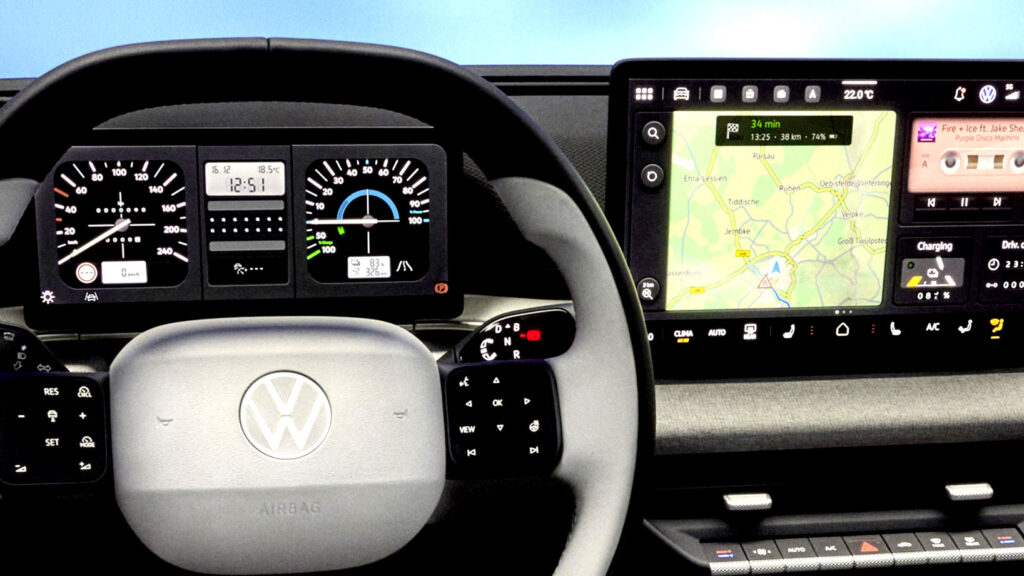
Volkswagen’s New Course: Returning to Convenience and Physical Buttons
Volkswagen CEO Thomas Schäfer stated that physical buttons and door handles are non-negotiable elements of the brand’s cars. This comes as a reaction to numerous complaints about the inconvenience of controls in recent models, such as the eighth-generation Golf and the ID series electric cars, which forced the company to radically reconsider its approach to interior design.
Volkswagen once built its reputation on quality. Its products were not always the most beautiful or dynamic, but they were reliably made. However, over the past decade, the brand lost this focus, betting on technological novelties that often proved impractical. Critics and customers expressed dissatisfaction with this change, and now the company’s management acknowledges the mistake and announces a plan to return to core values.
Acknowledging Mistakes and a New Approach
During a speech in Hamburg, Thomas Schäfer explained that ergonomic problems in recent models forced the company to think about how to actually design cars. Schäfer, who took over the company in mid-2022, noted that previously the development process started with a long list of features that customers ultimately could not or did not want to use.
“Now we think about people,” he said. “Who is this car for? Who is its driver?”
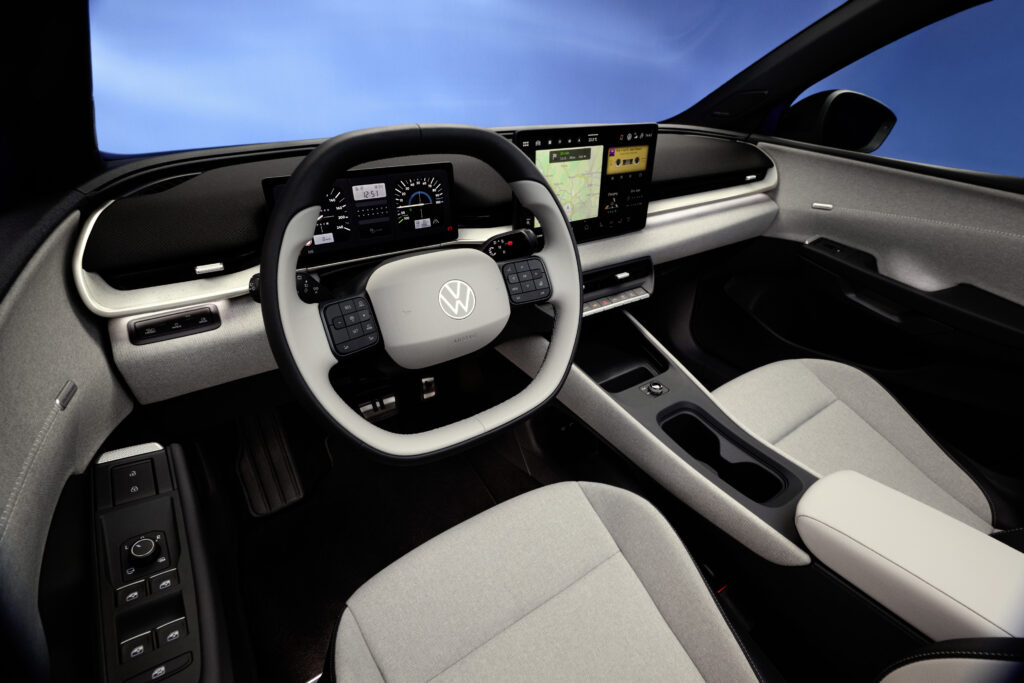

Returning to Intuitive Control
According to Schäfer, Volkswagen forgot what initially made its cars popular. Instead of intuitive control and convenience in everyday use, the company became too carried away with minimalist, technology-overloaded interiors inspired by smartphones. This led to the appearance of touch sliders for climate control, tactile buttons on the steering wheel, and functions hidden deep within the multimedia system menus.
Schäfer reported that the reboot process has already begun, and the new rule is simple: “A door handle must be intuitive.” He emphasized that approaching a car with full hands should not require learning a new interface. Physical control elements are no longer an option — they have become mandatory.
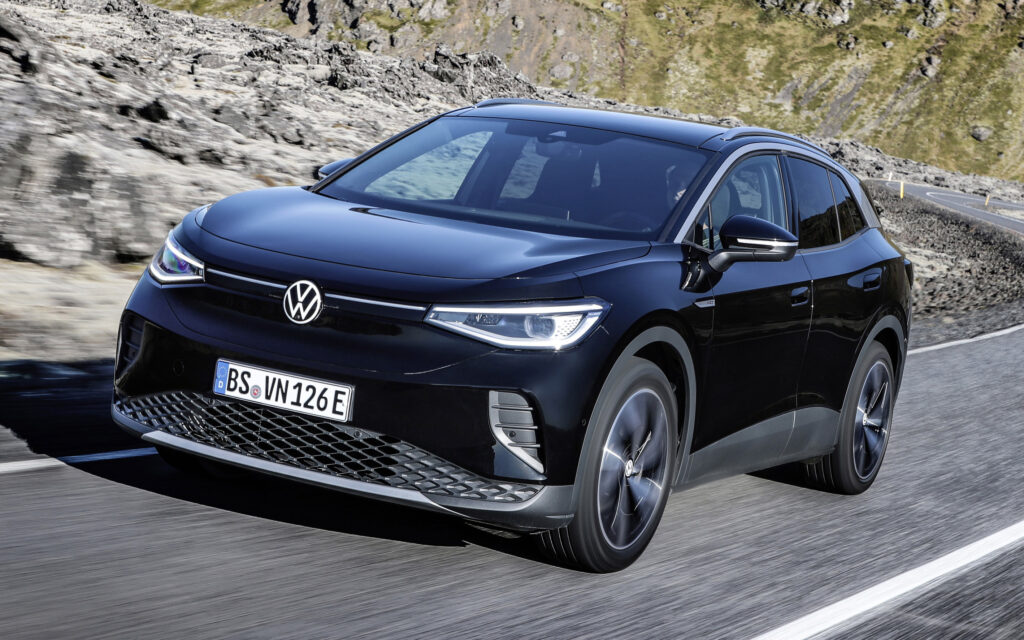

Three Principles of the New Design
The design team led by Andreas Mindt is now working according to three principles: stability, attractiveness, and the so-called “secret sauce.” The last principle means creating cars that feel immediately familiar and easy to understand.
“We often conduct clinics with customers,” says Schäfer. “We ask: ‘Why do we need this button?’ We test using data, using cameras in the cabin to see what the customer uses and where they look.”
These changes will undoubtedly be perceived positively. Many manufacturers are already beginning to realize the general dislike for the excessive digitalization of controls. Even regarding door handles, several brands this year are working on integrating more intuitive physical solutions. It remains to be seen how exactly Volkswagen will implement these new old ideas in future models.
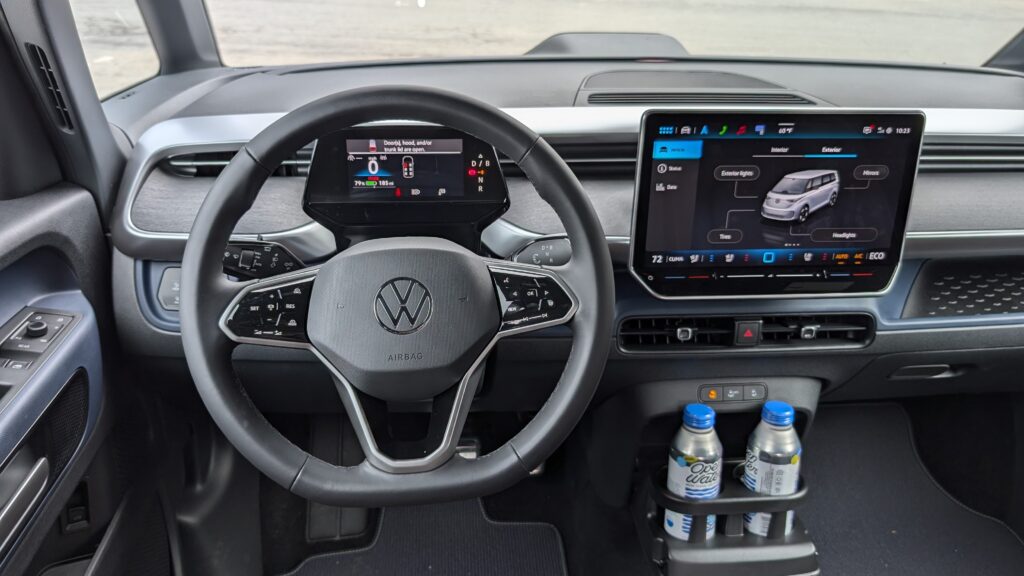

This turnaround by Volkswagen can be seen as part of a broader trend in the automotive industry, where after a wave of experiments with full touch controls, a period of reflection is setting in. The use of video surveillance of driver behavior in real conditions is an interesting, though privacy-raising, method for obtaining objective data. The success of this strategy will depend on whether the company can find a balance between modern technologies and the timeless satisfaction of a simple and reliable mechanical click of a physical button. It is a kind of acknowledgment that a car remains, first and foremost, a tool, not an entertainment gadget.