 by
by A New Direction for Volkswagen
The Volkswagen company is exploring the possibility of using new powertrains with range extenders for its future electric vehicles. This technology could be applied in the next generations of the brand’s sedans and crossovers.
Problems in the Electric Vehicle Market
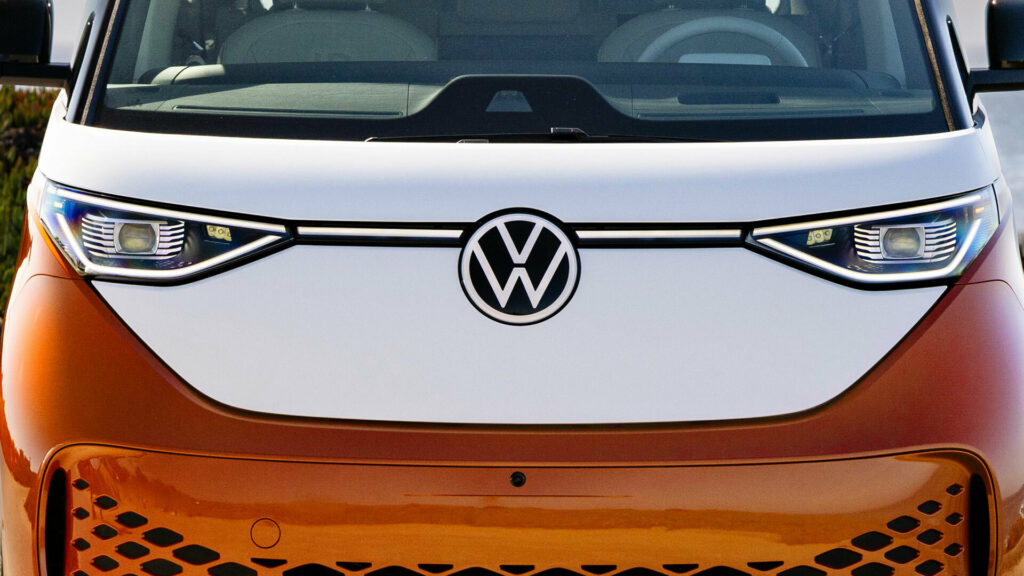
Volkswagen had placed great hopes on electric cars, especially after the Dieselgate scandal. The ID.4 model was a decent start, but the situation later became more complicated. Plans for ID.7 sales in America were canceled, and the ID. Buzz model did not meet expectations. Because of this, large markups on cars have turned into discounts, which in some cases reach almost 20 thousand dollars.
More: VW Cancels ID.7 for North America Due to Cold Climate for EVs
Strategic Discussions and Plans
The company is now reportedly considering offering powertrains with range extenders for sedans and crossovers in the European and US markets. These discussions are part of a larger conversation as the automaker prepares a new five-year investment plan. Details of these investments will be announced in March of next year. A company representative stated that they are “monitoring market development and have reserved the range extender concept for their future EV platform.” He added that consumer demand will determine when and where vehicles with such technology will be offered.
Market Trends and Technology Advantages
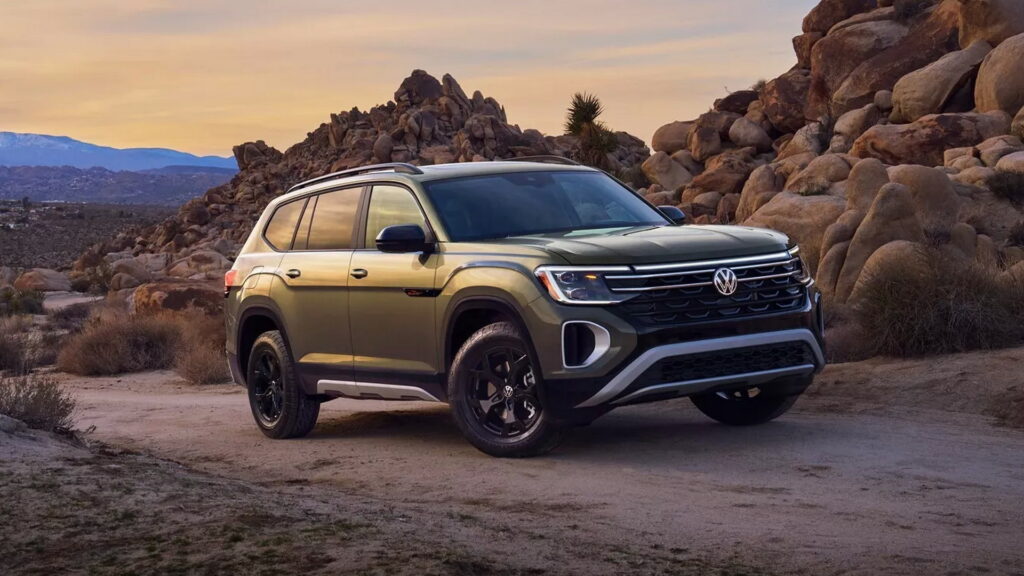
Although several models with range extenders already exist in the USA, new ones are appearing on the horizon. In addition to the Scout Terra and Traveler models, Stellantis is preparing to launch range-extender versions for the Jeep Grand Wagoneer and Ram 1500. Ford CEO Jim Farley has also expressed approval of this technology, noting that it gives customers an electric experience without range anxiety. More importantly, it allows companies to offer “an electric vehicle that is fully comparable in cost to an ICE vehicle.” This is largely because electric vehicles with range extenders can use a significantly smaller and cheaper battery pack. This is possible thanks to an engine that acts as a generator.
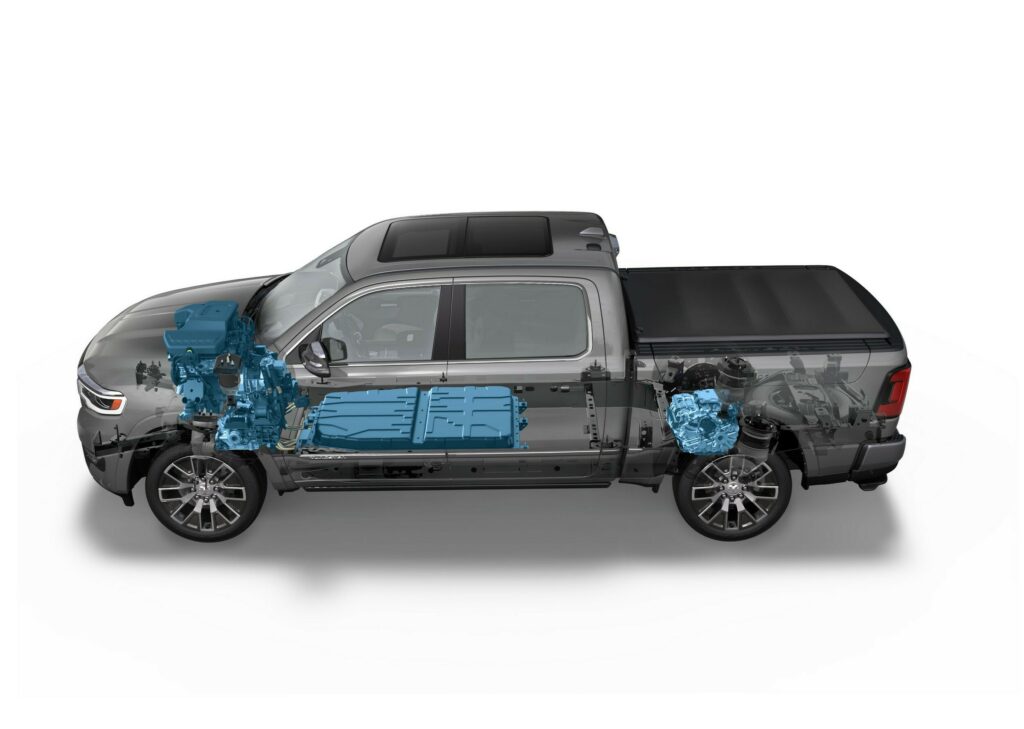
Volkswagen’s consideration of range extender technology demonstrates the company’s flexibility in responding to market challenges. This approach could become an intermediate solution that combines the advantages of electric drive with the practicality and familiar lack of range limitations for many consumers. The success of this strategy will depend not only on technical implementation but also on how well it meets buyer expectations in different regions, especially against the backdrop of the active development of fast-charging networks.