


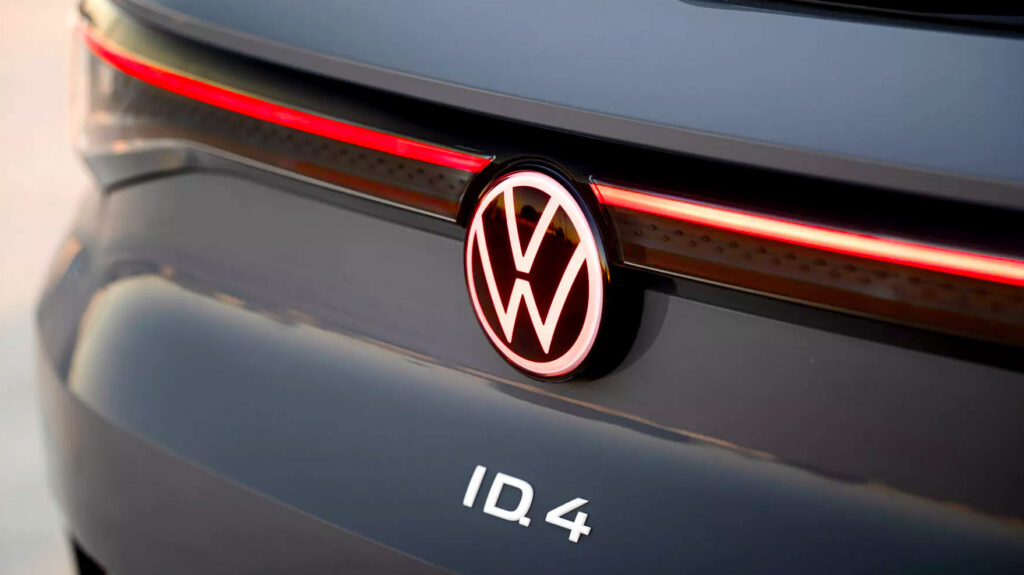
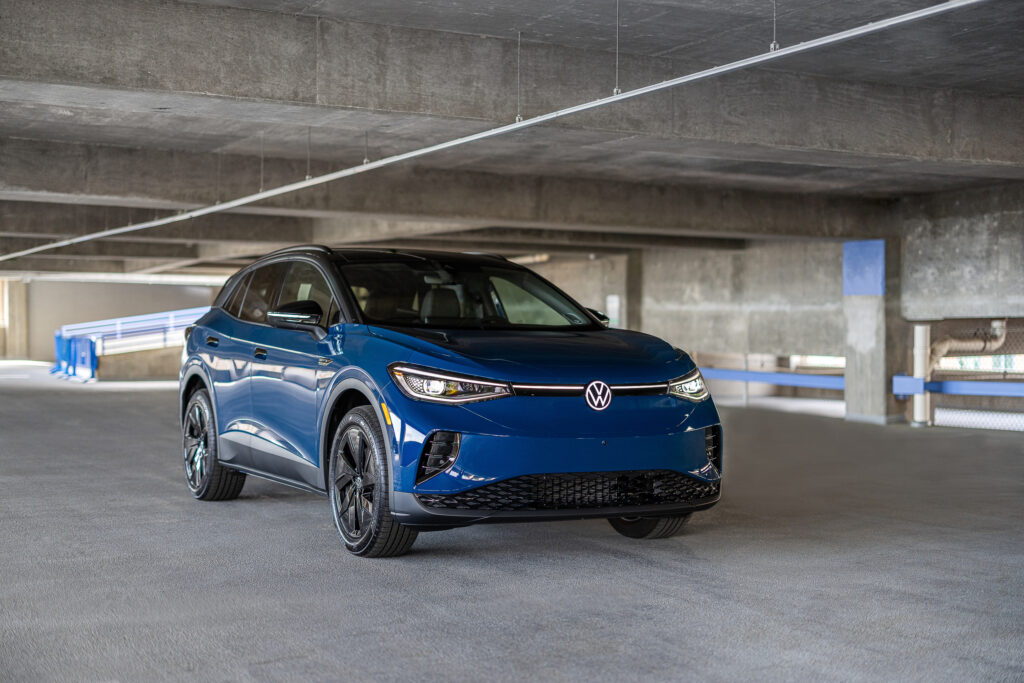
The Volkswagen ID.4 is facing two new recalls related to fire risks. The issues concern the battery packs.
A Serious Safety Issue
The recall concerning 670 vehicles from the 2023 and 2024 model years is the most critical. It is related to a manufacturing defect that leads to displaced electrodes in the battery, which can cause a fire. The first case of ignition was recorded in January 2024 during fast charging. Several similar incidents have since occurred, including with vehicles that were parked or in motion.
Volkswagen warns owners: “Immediately after charging, park the vehicle outdoors and do not leave it charging indoors overnight until the recall repair is completed.”
Furthermore, drivers are advised not to use DC fast charging stations and to limit the battery charge to 80%. To fix the defect, the company will replace the high-voltage battery cell modules.

Second Recall Due to Overheating
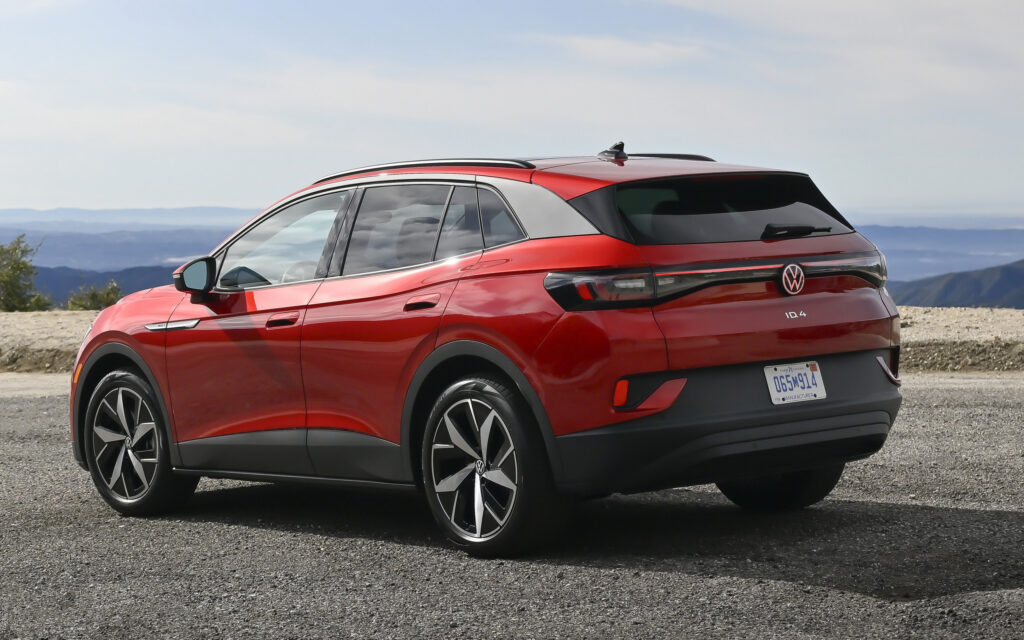
The second recall concerns 43,881 ID.4 vehicles from the 2023-2025 model years. It is related to potential battery overheating, which in rare cases can lead to thermal runaway and fire. Although the exact root cause has not yet been found, analysis has shown that certain deviations in the production of battery modules can lead to their self-discharge.
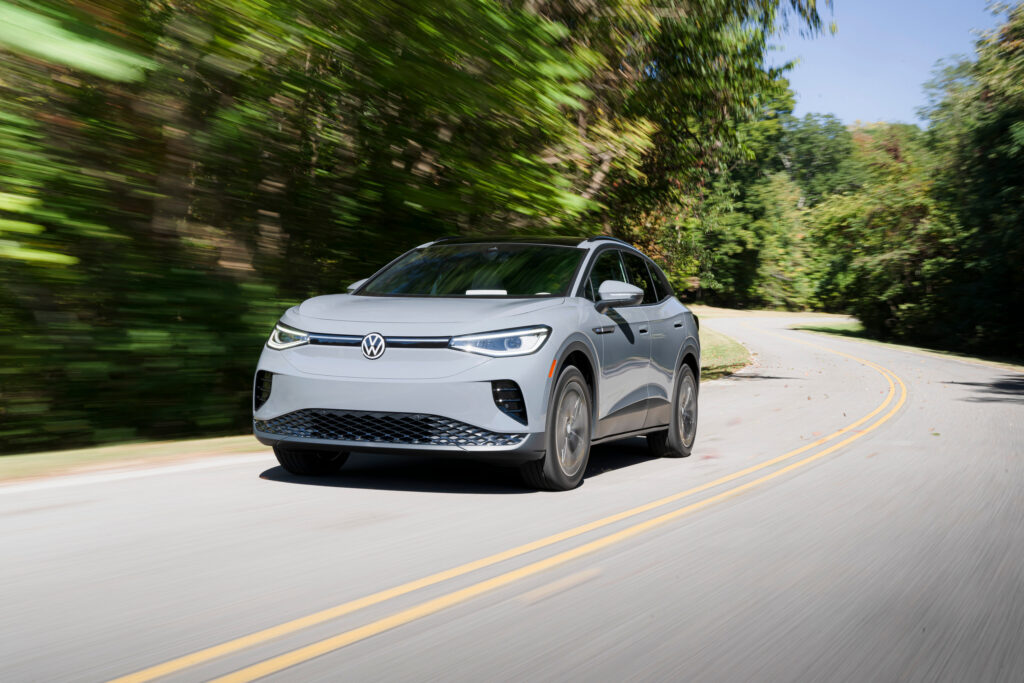

Symptoms of the problem may include reduced driving range and/or decreased vehicle performance. As part of this recall, Volkswagen technicians will conduct a battery condition check and install updated software to detect self-discharge. Based on the check results, some batteries may be replaced. It is believed that the defect is present in only about 1% of the involved vehicles, which is approximately 439 crossovers.

Investigation and Manufacturer Response
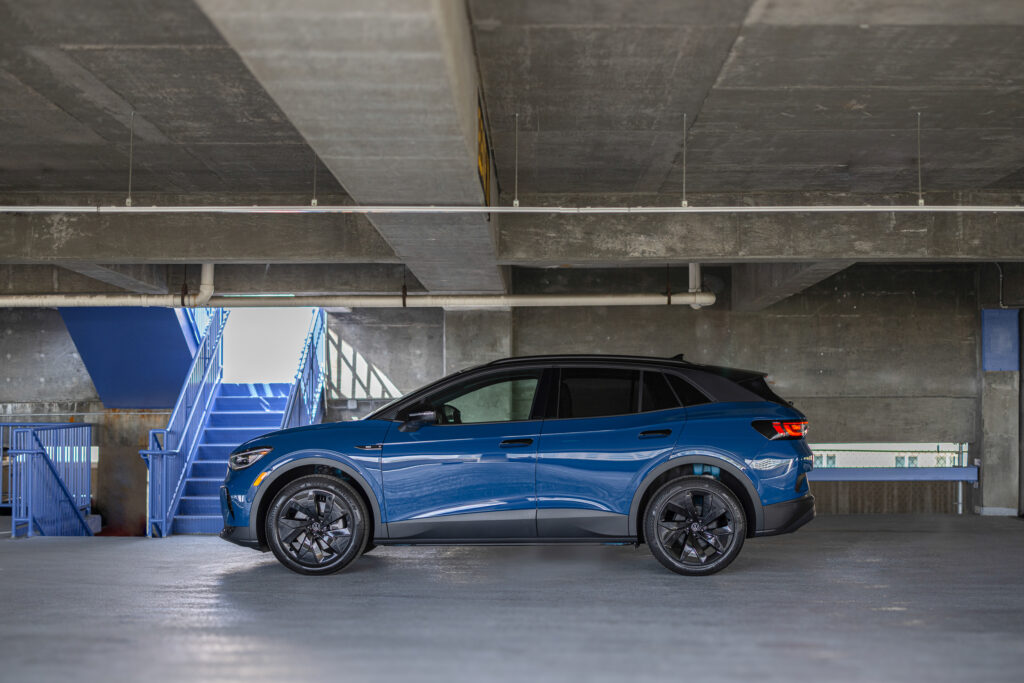
Identifying the cause of the fires proved to be a complex task for Volkswagen and its battery supplier, SK Battery America. After a series of incidents and detailed analysis, including computed tomography, a connection was established with displaced electrodes. This led to the first recall in December 2025, which was soon expanded. During further investigation, another problem on the production line was discovered, which could potentially cause a similar defect, leading to the new recall.
Similar incidents with electric vehicles always attract close attention, as the safety of battery systems is critical for the future of electromobility. Volkswagen’s response, which includes not only equipment replacement but also temporary, albeit inconvenient, precautionary measures for owners, demonstrates a cautious approach. These events also highlight the complexity of quality control in modern high-tech component supply chains, where a defect at one stage can have serious consequences. Successfully resolving these issues and transparent communication will be important for maintaining consumer trust in the technology.