


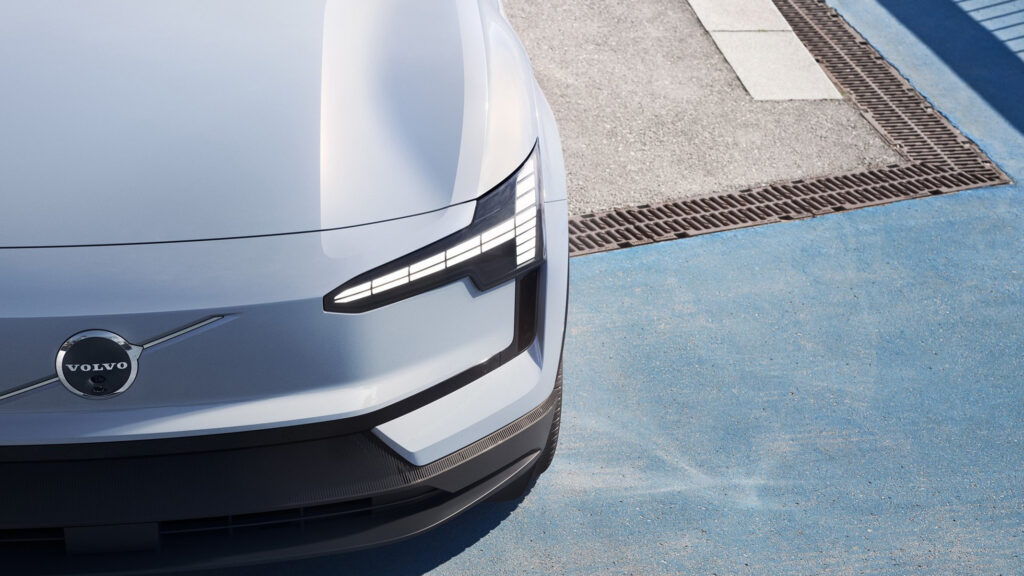
The Swedish automaker Volvo has decided to discontinue sales of the EX30 electric crossover in the United States market after the 2026 model year. This applies to both the regular version and the Cross Country variant. However, the model will remain available for buyers in Canada, Mexico, and other countries around the world.
Why Did This Happen?
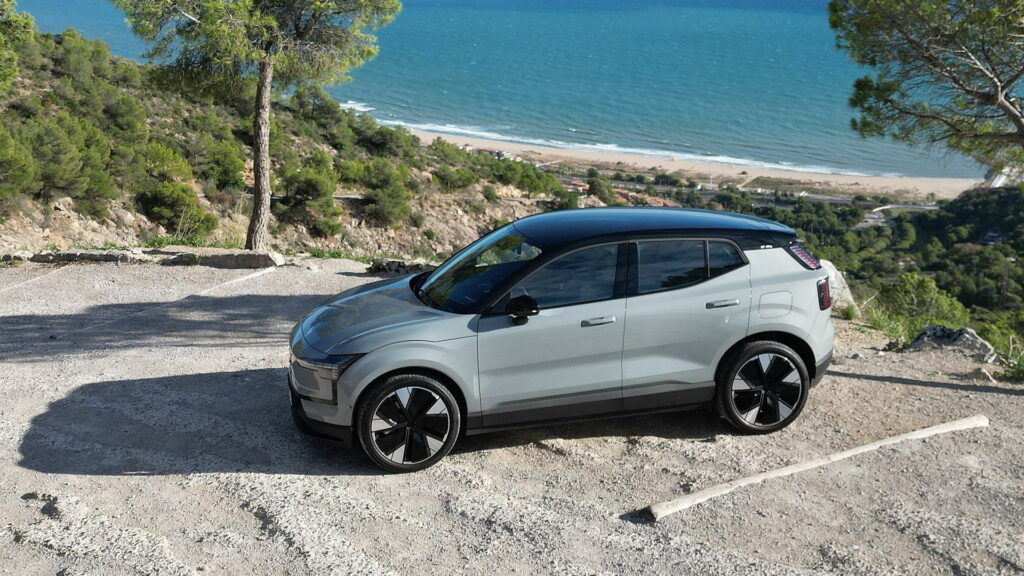
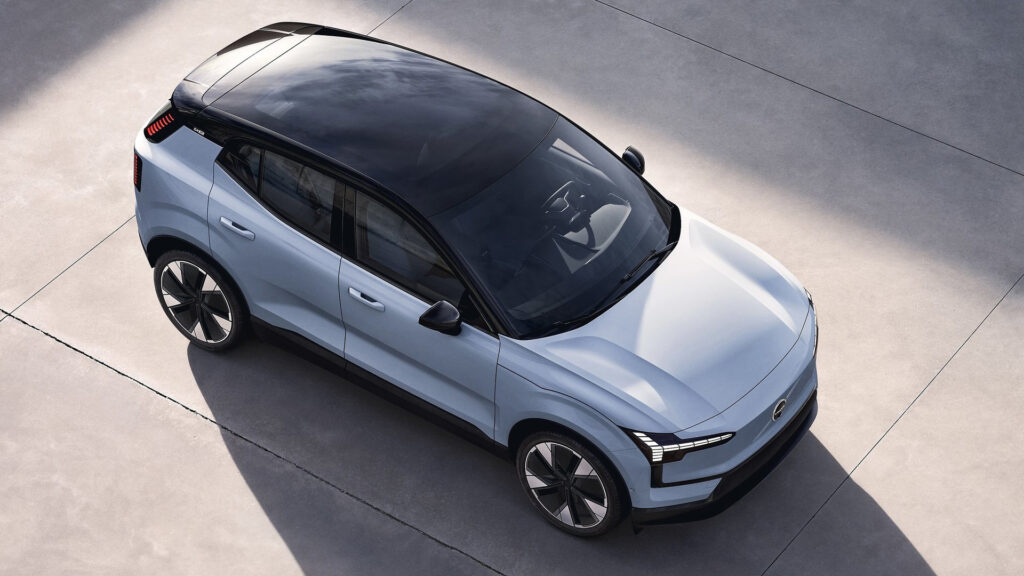
At first glance, the EX30 was a very promising model. It was positioned as Volvo’s most affordable electric car with a starting price of around $40,000, up to 422 horsepower in the dual-motor version, and an estimated EPA range of about 253–261 miles. Its compact size, modern design, and dynamics were meant to attract urban dwellers.
However, reality proved harsher. The EX30 model is built on a Chinese-made electric vehicle architecture, similar to that used in the Zeekr X. This created serious difficulties after the imposition of high tariffs on cars manufactured in China. Volvo attempted to solve the problem by shifting supply for the American market to Belgium, but later encountered new trade restrictions.

Impact of Policy and Demand
The situation was significantly complicated by changes in electric vehicle tax credit policy, leading to their cancellation for imported vehicles, and later for all vehicles. This directly impacted sales. In 2025, just over 5,400 units of the EX30 were sold in the US.
A Volvo representative confirmed that the decision is “a result of a careful analysis of our business and operational strategy and a direct response to changing market conditions and financial factors.”
The Future of Volvo’s Electrification
It is important to note that Volvo is not abandoning its overall electrification course. The brand will continue selling the larger EX40 and EX90 models in the American market and is preparing to launch the EX60 model. The problem with the EX30 was not the quality of the car, but the unfortunate timing of launching a small imported electric vehicle in the context of trade wars and regulatory changes.
This case well illustrates the challenges faced by global automakers in the modern market. Geopolitics, trade tariffs, and domestic tax policy can have a decisive impact on the fate of a specific model, regardless of its technical merits. Many companies worldwide are already revising their electric strategies, adapting to new realities. For American buyers seeking an affordable premium compact electric car, this news is undoubtedly a disappointment.