


Volvo is launching a global software update for millions of its cars. Here are the key details:
Large-Scale Update for the Existing Fleet
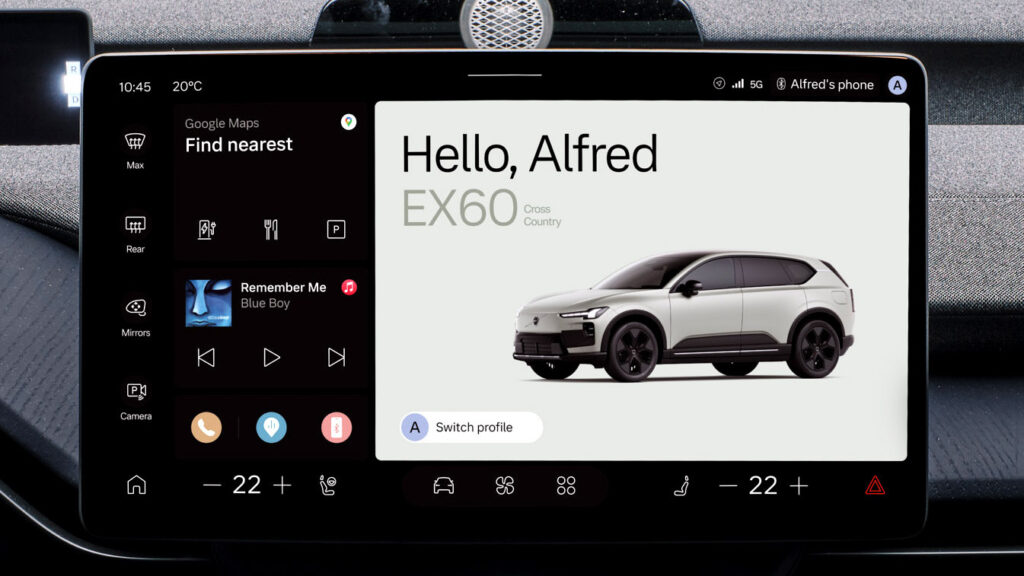
If you own a Volvo produced from 2020 onwards, running the Android Automotive operating system, a significant change awaits you. Over the next few months, Volvo will begin rolling out a major “over-the-air” software update to eligible cars. It will upgrade the multimedia system interface to the level seen in new electric models like the EX30, EX60, and EX90. This does not require a visit to the dealer — everything happens wirelessly.
This update is a significant step in Volvo’s efforts to modernize its existing car fleet. The company has long been working to bring its latest multimedia experience to older models, and now the launch is finally near. Volvo’s CTO, Anders Bell, called it “one of the largest over-the-air updates in world history” — a global initiative that will affect approximately 2.5 million cars worldwide.
Google Gemini Integration

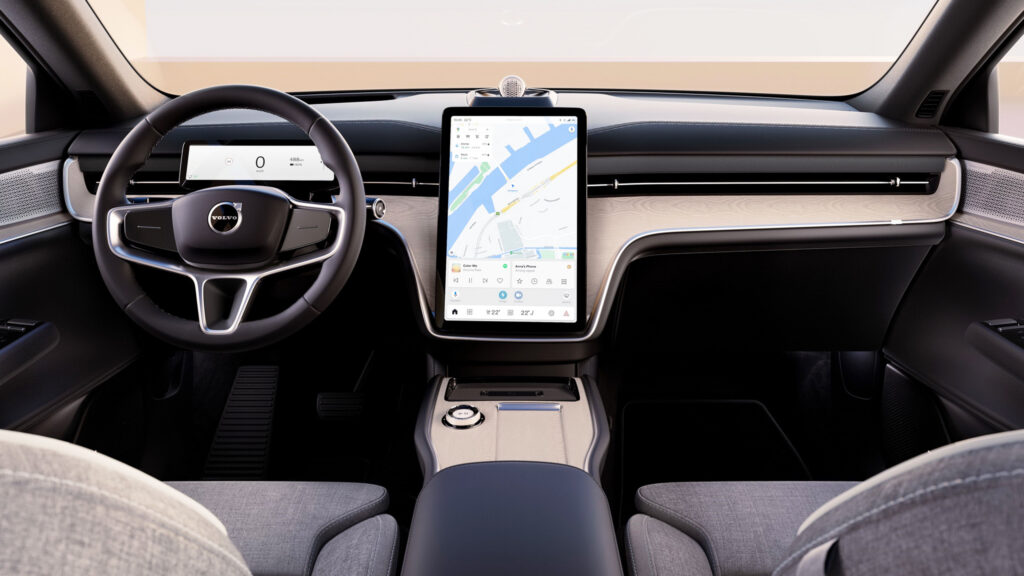
The update will not only give older Volvo models virtually the same interface as the new ones, despite the five-year-old “hardware,” but will also replace the old Google Assistant with Google Gemini. Bell noted that some minor differences will remain due to variations in chips and smaller screens in early models.
Google Gemini has already been introduced in the Android Auto smartphone mirroring feature, but in Volvo models, it will be integrated directly into the native infotainment system. Gemini is a more conversational AI model, capable of performing tasks using natural language. It also includes a Live feature where you can chat with Gemini to learn something new or brainstorm ideas.

Intuitive Experience Behind the Wheel
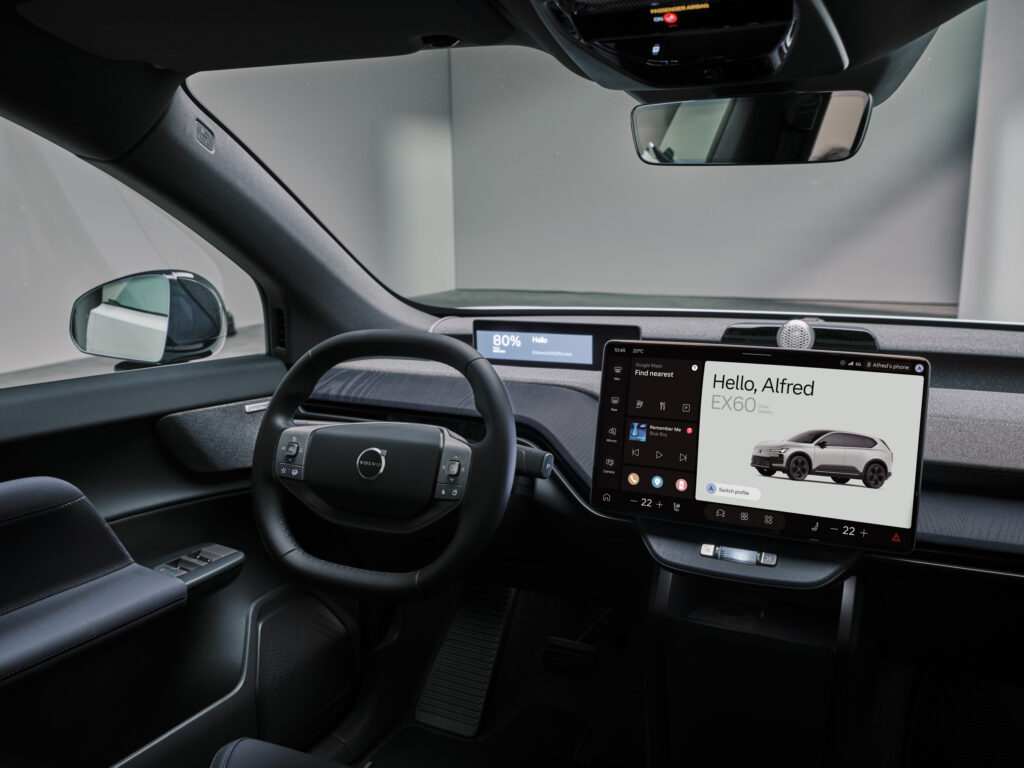
According to Volvo, the experience of using Gemini in the car is designed to be intuitive, even while driving. Company representatives explained that Gemini in the car can better understand what you want through natural conversation. You can speak naturally to compose messages, translate them into another language before sending, ask questions from the car’s user manual, or find out specific details about your destination.
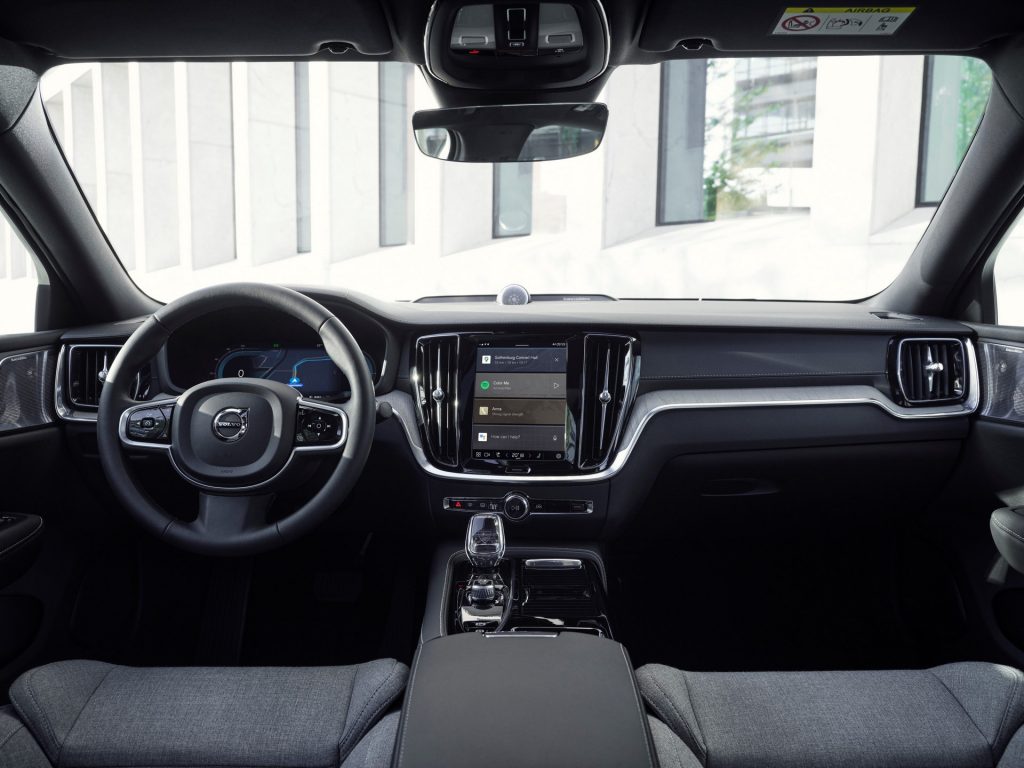
While most Volvo owners will likely be happy to see the latest version of the AI-multimedia system in their cars, those who wish to remain on the old version will need to ensure they have opted out of “over-the-air” updates through their car’s settings.
This move by Volvo clearly demonstrates how automakers are shifting from a model where a car is technologically “frozen” at the time of purchase to a continuously improving digital product. The ability to significantly update the interface and functionality of five-year-old cars without physically replacing hardware could substantially increase their long-term value for owners and reduce the generational gap. The success of this campaign is likely to become an important precedent for the entire automotive industry, which is increasingly software-oriented.