 by
by Volvo Recalls 40 EX30 Electric Vehicles Due to Battery Fire Risk
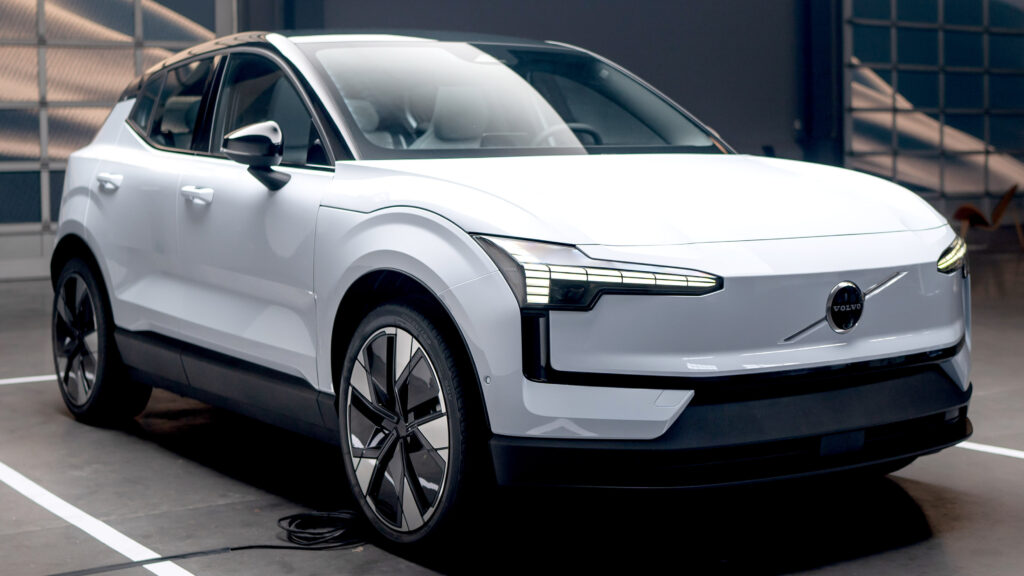
Volvo has ordered the owners of 40 EX30 electric vehicles to immediately park their cars outdoors. This is not a recommendation but a precautionary measure related to a rare but serious battery defect that, under certain conditions, can lead to a short circuit and even a fire.
Most surprisingly, this serious safety issue is caused by a microscopic process occurring inside individual battery cells. Even worse, Volvo currently does not have a ready solution to fix it.
A Volvo owner filed a lawsuit claiming that the recall of hybrid models destroyed the value of his SUV.
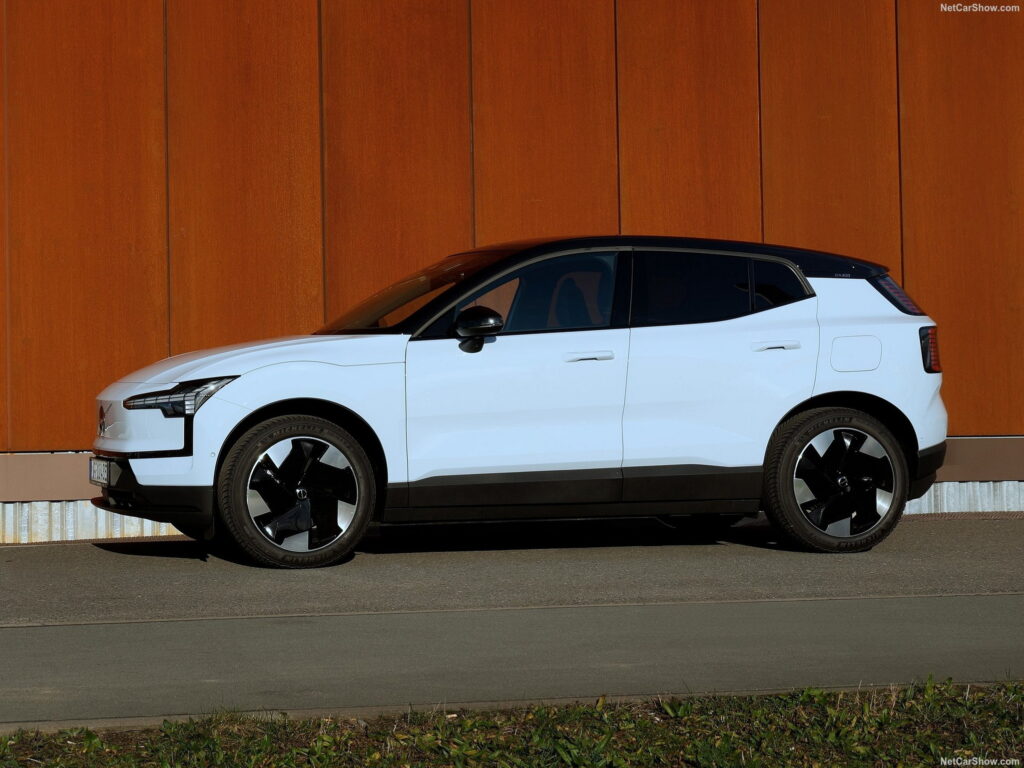
According to a new recall report filed with the U.S. National Highway Traffic Safety Administration (NHTSA), the issue concerns 40 units of the 2025 Volvo EX30 manufactured between September 6, 2024, and October 25, 2025.
These vehicles are equipped with high-voltage battery cells supplied by the Chinese company Sunwoda Power Battery Company. Volvo estimates that 100 percent of the vehicles subject to the recall have this defect.
What is the Problem?
The problem arises from a deviation in the manufacturing process of the battery cells. The company does not disclose the exact nature of this deviation, but the consequences are clear. This malfunction leads to the growth of lithium deposits inside the cell.
These deposits, also known as dendrites, can over time reach sizes sufficient to cause a short circuit. This is obviously a critical situation for any battery, but in a car, it poses a potentially deadly hazard. This is precisely why Volvo initiated the recall and ordered customers to park outside.
Drivers may see a battery overheating warning on the dashboard, but by that time the situation may already be serious. The manufacturer first noticed this problem in July 2025 following a report of potential battery overheating outside the United States.
No Solution Yet
The investigation led to the decision to recall in December of last year. Unfortunately, Volvo has not yet found a way to remedy the fault.
For now, the company requires owners to lower the maximum charge level of their EX30s to 70 percent. This will reduce the likelihood of lithium deposit growth and give Volvo time to find a permanent solution.
The situation is far from ideal, but there is small comfort in the fact that the problem affects only 40 owners, not 40,000.
This case once again highlights the complex challenges associated with the safety of lithium batteries in electric vehicles, especially when a defect originates at the level of the cell supplier. Although the scale of the recall is small, it underscores how carefully automakers must monitor supply chains and component quality. The temporary recommendation to limit charging demonstrates that even modern technologies sometimes require simple, cautious measures to prevent critical situations while a technical solution is being sought.