


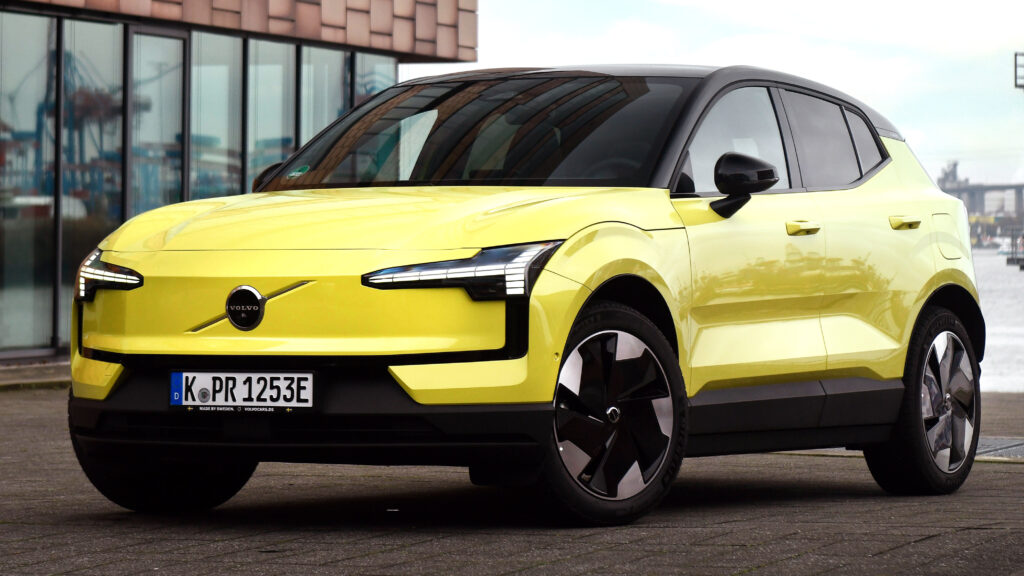
Volvo has announced a recall of over 40,000 EX30 electric vehicles due to a fire risk. Key points of the announcement:
Scale of the Problem and Recall Details
This is not the first recall for Volvo’s smallest electric model line. Although the official notice from the National Highway Traffic Safety Administration has not yet been published, according to Reuters, the global recall covers 40,323 vehicles, including an unspecified number in the United States. The issue concerns the EX30 Single-Motor Extended Range and Twin-Motor Performance variants. A company representative stated that they are already contacting customers to inform them of the next steps.

Source of the Problem and Temporary Recommendations
Details of the malfunction are being disclosed cautiously so far. It is known that the problematic battery packs were manufactured by Shandong Geely Sunwoda Power Battery Co. Volvo reported that a mysterious defect was identified, and the joint venture with Geely will provide them with new battery cells.
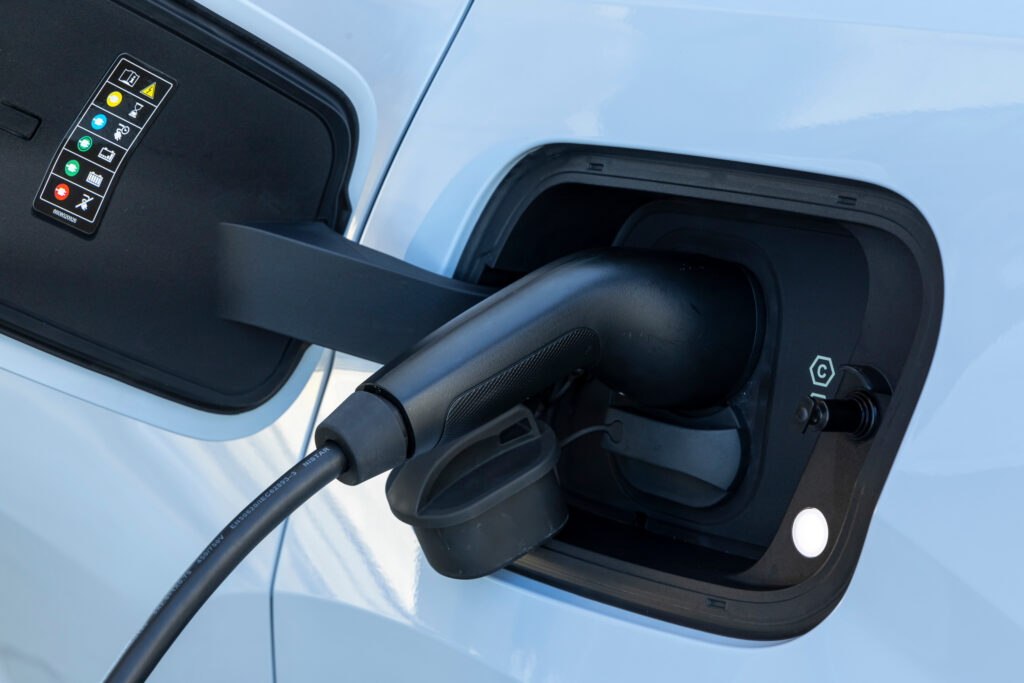
It is still unclear what exactly the problem was, but everything indicates that it is related to a high state of charge. Because of this, Volvo advises customers to limit battery charging to 70 percent.
This measure reportedly eliminates the fire risk; however, it is also recommended to park the vehicle outdoors, away from buildings and other vehicles.
Previous Incidents and Potential Costs
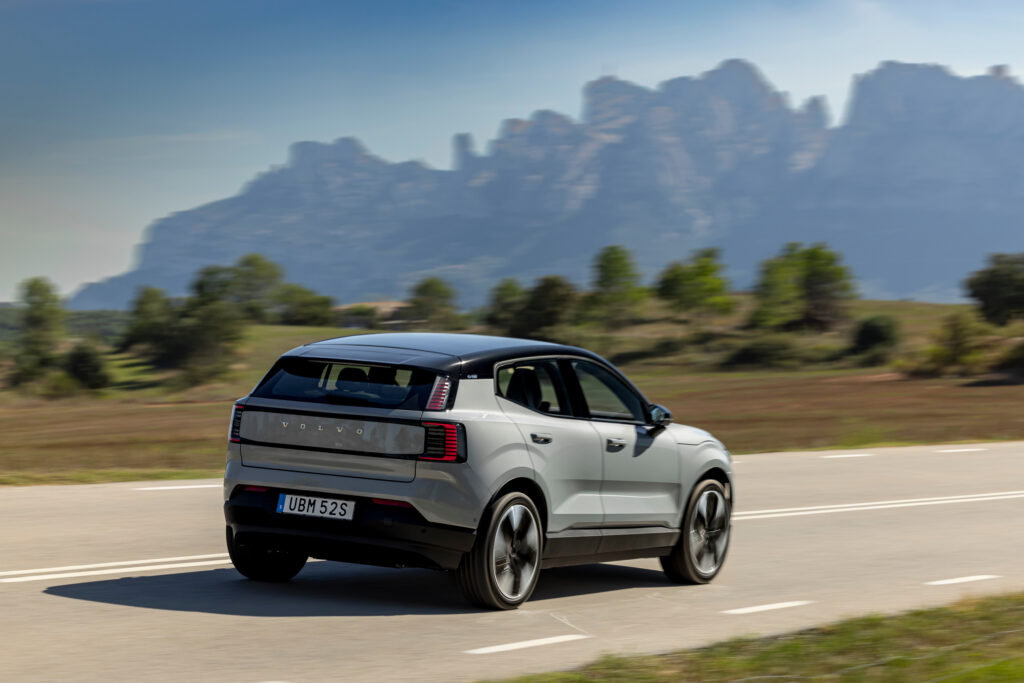
Volvo’s silence regarding the details does not inspire confidence, especially against the backdrop of the company already recalling 40 EX30 units due to a fire risk in January. That recall concerned 2025 model year vehicles, in which the high-voltage battery could short-circuit and overheat due to a “deviation in the manufacturing process,” which could lead to “lithium plating.” This, in turn, could cause an internal short circuit in the cell.
At that time, the company did not have a ready solution to fix the problem, so owners were also offered to limit charging and park outdoors. It is still unclear whether these two recalls are related, but they are becoming a serious problem for a brand that has made a big bet on electric vehicles. According to Reuters estimates, the latest recall alone could cost the company around $195 million.
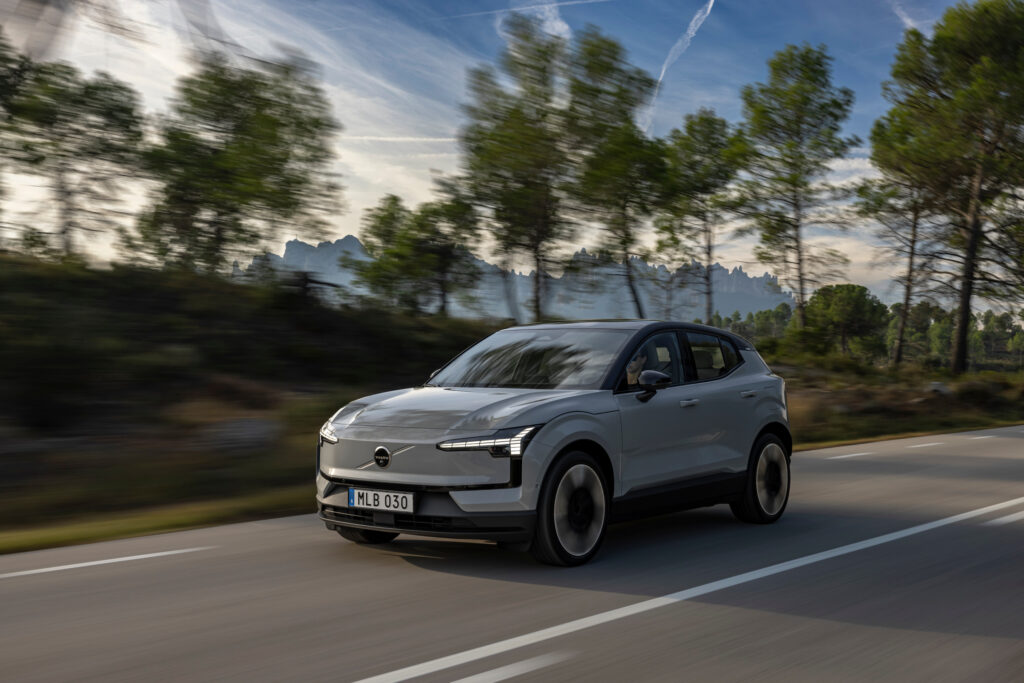
Similar battery incidents among various electric vehicle manufacturers highlight how complex the technology of mass-producing reliable battery packs is. For Volvo, which actively promotes itself as a safe and innovative brand, a large-scale recall of a key electric model is a serious challenge. Successfully and quickly resolving this issue will be critical for maintaining consumer trust, especially amid fierce competition in the electric vehicle market. The company will have to not only repair tens of thousands of vehicles but also demonstrate that such situations will not be repeated in the future.