


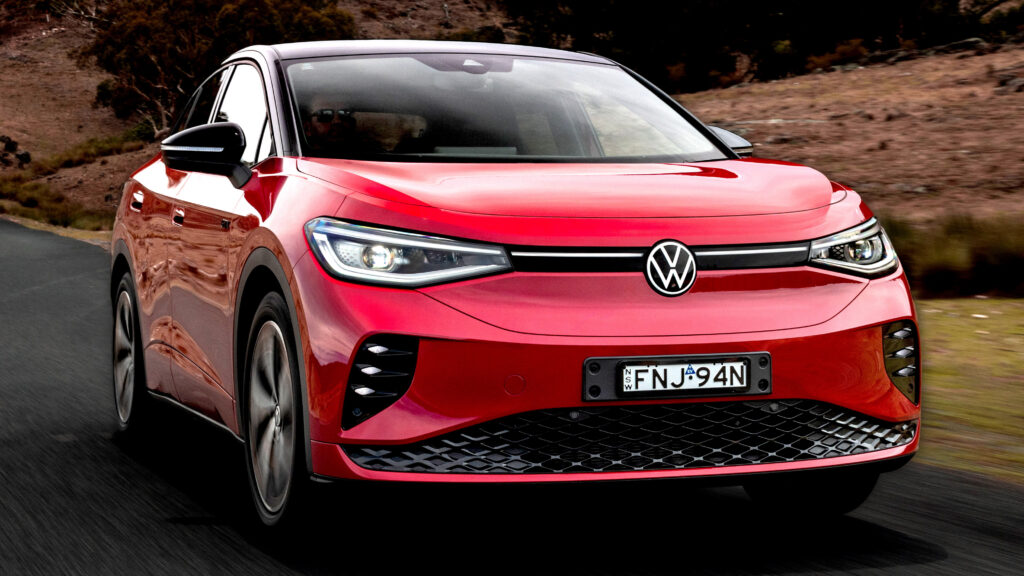
Australia Reaches a Historic Milestone in the Car Market
Australia may have been late to the electric vehicle party, but the guest list is growing rapidly. Despite the country lagging behind many nations in EV adoption, recent sales data shows an acceleration in the choices of local buyers. For the first time in a single month, sales of electric and hybrid vehicles exceeded those of gasoline-powered cars.
This could become a true turning point, paving the way for 2026 to potentially become the first full year where battery-powered vehicles outsell traditional internal combustion engine cars.
In December, a total of 35,058 hybrids, plug-in hybrids, and fully electric vehicles found new owners across the country. This was slightly higher than the 34,559 gasoline cars sold during the same four-week period.
China’s Impact on Market Performance
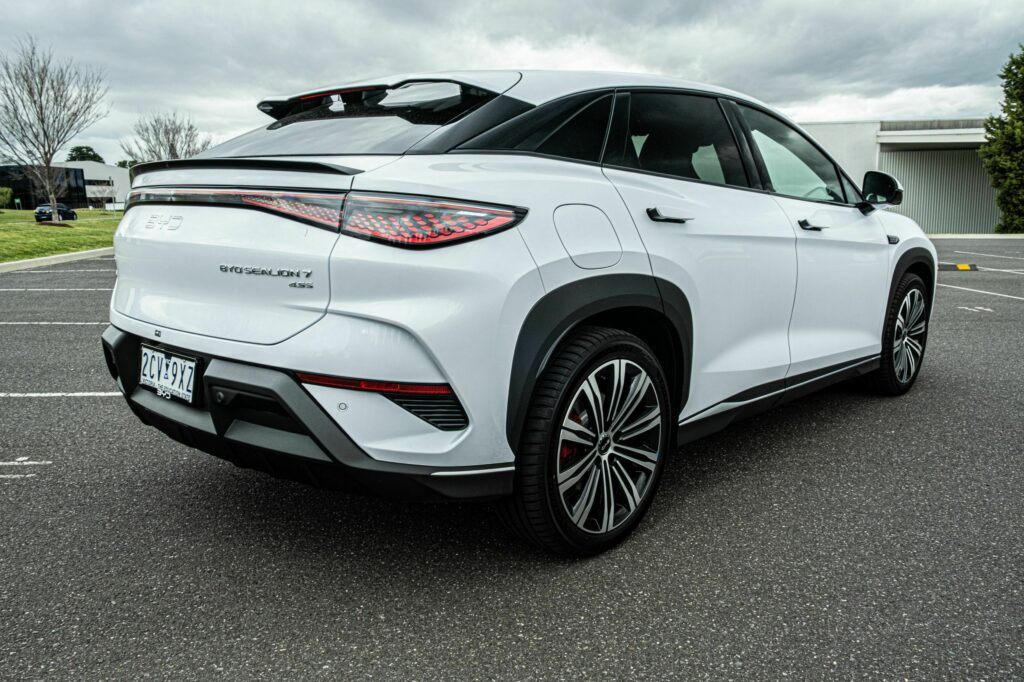

Looking at the full year, the total sales of electrified vehicles reached 355,887 cars, securing them a 28.6% share of the total market. Pure electric vehicles accounted for 103,270 of this figure, representing an 8.3% share.
A significant part of this momentum can be explained by the growing presence of Chinese manufacturers, whose expanding model lineups have proven popular among Australian buyers. Brands such as BYD, Geely, MG, Xpeng, and Zeekr have led this advance.
Demand for electric vehicles from China is likely to grow even more this year. A whole range of small and affordable electric offerings, including the Nio Firefly, Geely EX2, and BYD Atto 1, will soon hit the market.
Gasoline Still Leads


Although demand for electric vehicles is growing, gasoline cars still hold the largest market share. A total of 475,279 such cars were sold in 2025, constituting 38.3% of the total market. Diesel models also remain popular, making up 29.4%, and this figure has remained relatively stable over the past five years.
This is far from the market of a decade ago. Back in 2015, gasoline cars had a dominant share of 67%, a clear sign of how much the market and consumer habits have changed in just ten years.

Traditional hybrids also performed well last year. Australians bought 199,133 such vehicles, giving the segment a 16% share. Plug-in hybrids, although remaining a smaller category, also showed noticeable progress. 53,484 units were sold, securing them 4.3% of the market, indicating growing interest in flexible transitional technologies.
The stability of the diesel segment over five years suggests that certain sectors, likely commercial transport or heavy machinery, remain loyal to this fuel for now. However, the overall trend is clear: electrification is gaining momentum, and the arrival of new affordable models, especially from China, could significantly accelerate this process in the coming years, transforming the country’s automotive landscape. The success of hybrids also highlights that the transition can be gradual, with different technologies finding their niche among buyers.