


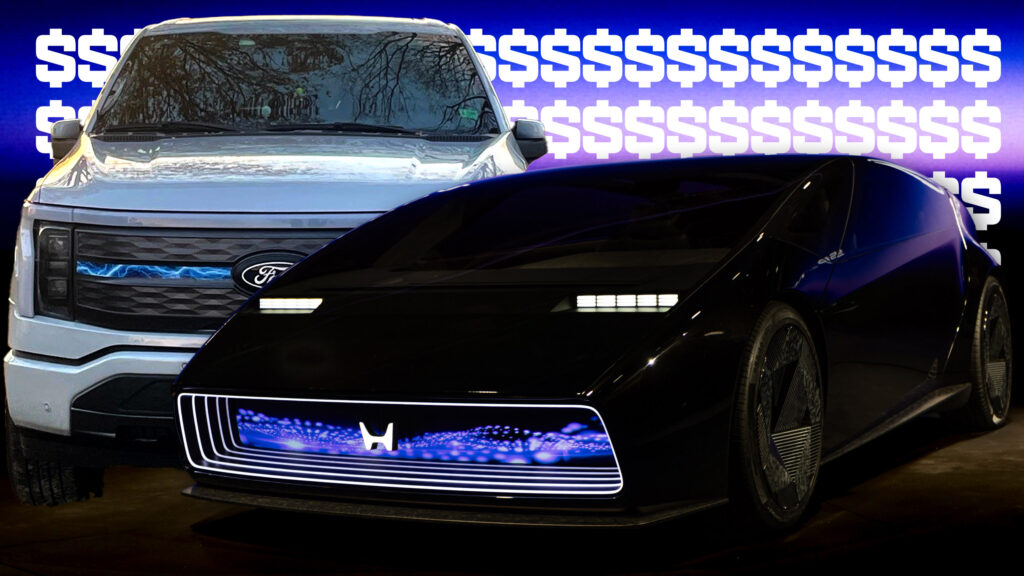
The beginning of the year has been challenging for traditional automakers facing the new reality of the electric vehicle market in the USA. It differs significantly from the ambitious plans recently discussed in executive offices. Changes in policy and cooling demand are forcing many manufacturers to revise their electric strategies, which were previously central to their long-term development.
Costly Course Corrections
Honda has become the latest manufacturer to change plans. The company confirmed the cancellation of three electric models that were to be produced in America, citing weak demand, particularly in the US. Thus, it has joined Ford, GM, and Stellantis, which have also recently scaled back their EV programs.
Those four automakers have already absorbed about $70 billion in losses related to their investments in electric vehicles.
This figure, according to Auto News, does not include other manufacturers, such as Porsche, which have also begun stepping back from electrification.
Reasons for the Drop in Demand
The sharp drop in demand for electric vehicles in the US is largely linked to decisions by the Trump administration. The new state policy not only encourages manufacturers to prioritize ICE models but also the cancellation of the $7,500 federal tax credit for EVs has further weakened demand at a time when adoption was already slowing.
In fact, electric vehicle registrations in December fell by 48 percent compared to last year, to just 75,427 vehicles. As a result, the EV market share dropped from 9.9% to 5.3%.
Specific Consequences for Auto Giants
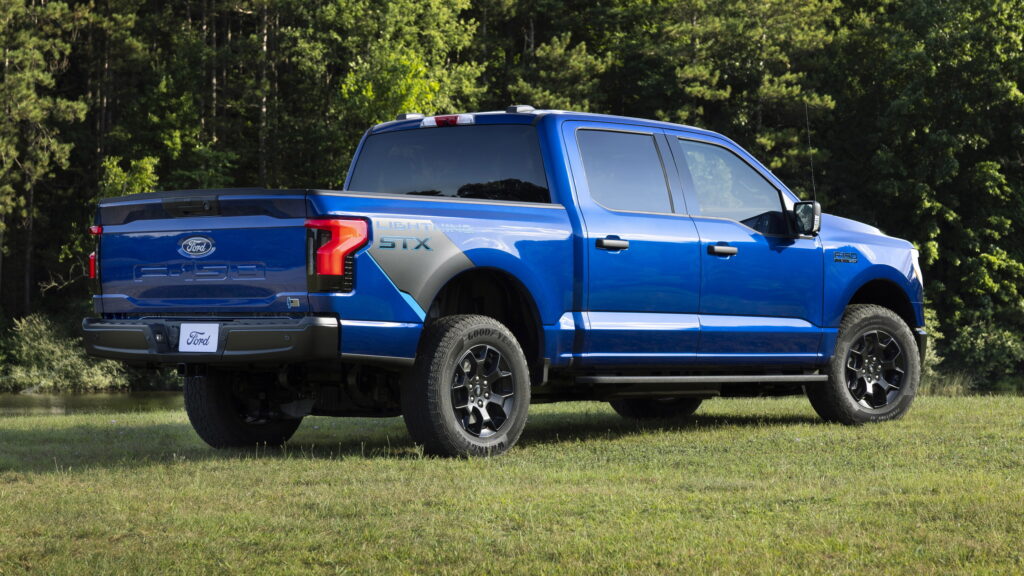

Ford has already reported that its retreat from EVs cost approximately $21 billion. The company canceled plans for a three-row electric SUV and halted production of the F-150 Lightning last year after it failed to meet sales expectations.
Stellantis recently stated that its retreat from electric vehicles will cost about $26 billion after canceling several electric models. GM has also taken a step back, suspending production of the Chevrolet BrightDrop electric van in Canada and repurposing a plant in Michigan to produce gasoline trucks instead of the planned electric vehicles.
Honda’s Losses and Canceled Models
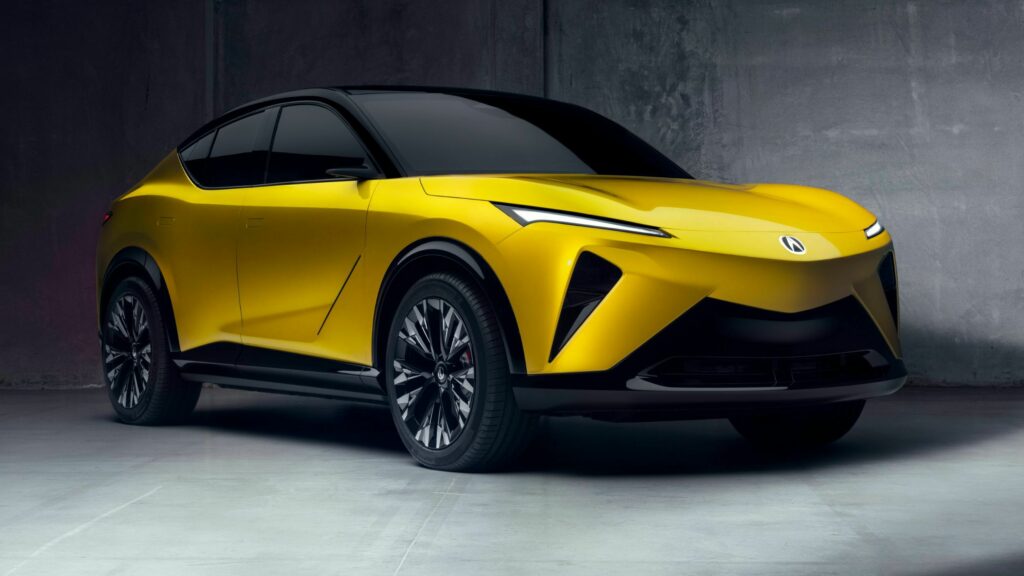
As Auto News notes, Honda is recording expenses and losses of 2.5 trillion yen or $15.7 billion due to its sharp policy reversal on EVs. In addition to canceling the 0 Saloon sedan and 0 SUV, the automaker has also shut down the project for the fully electric Acura RSX.
This stylish coupe-crossover was presented as a pre-production prototype last year and was set to become the first model built on Honda’s own global platform for EVs.
These cancellations deprive the market of several anticipated new models and demonstrate how deep the correction currently being made by manufacturers is. A reorientation towards hybrid technologies and improving traditional internal combustion engines is likely to become the new focus for many of them in the coming years, as the market continues to dictate terms different from those predicted just a few years ago. The question remains open: is this a temporary obstacle on the path to an electric future, or a sign of a more prolonged structural shift in the automotive industry.