



Stellantis’ New Strategy: Focus on Volume and Affordability
The situation at the automotive conglomerate Stellantis has undergone significant changes over the past year. Former CEO Carlos Tavares unexpectedly left his position, and the reins of power passed to Antonio Filosa. During this period, regulatory requirements changed, market conditions transformed, and the entire industry had to adapt. At the very center of these events, Filosa created a so-called “emergency room” to resuscitate the brands now under his management.
Stellantis’ sales in the US last year fell by 15 percent. This clearly indicated the need for changes that could not wait. Filosa concluded that Tavares’ approach, focused on cost-cutting and margin maximization, was not working. Instead, the new leader decided to prioritize production volumes, brand recognition, and vehicle affordability. According to new data, this transformation began precisely in that “emergency room.”
Recovery Plan: What Does the New Strategy Involve?
A source close to the matter reported that Antonio Filosa aims to exceed analysts’ expectations for revenue and sales this year. To achieve this goal, he is willing to sacrifice profitability, but the volumes themselves could be the beginning of a turn for the better.
Early signs indicate that Stellantis brands are showing progress. In the third quarter, sales in North America showed growth for the first time in the last eight quarters.
Filosa announced a target adjusted operating income margin of 6–8 percent in the medium to long term. However, analysts do not expect the margin to exceed 5 percent before 2027.
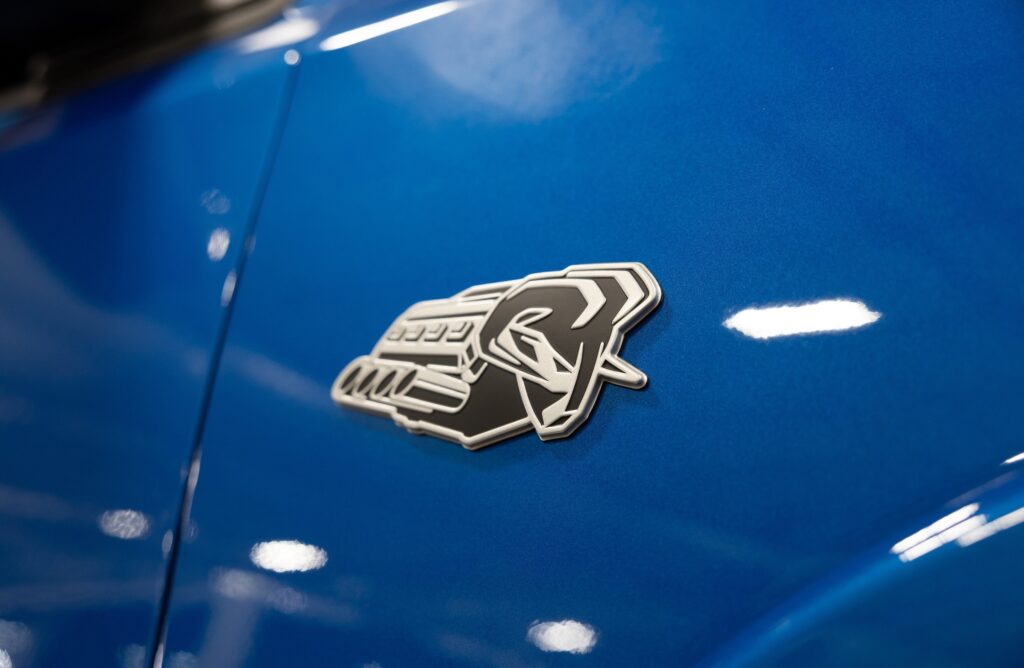

A central element of the new strategy is moving away from a series of controversial decisions from the Tavares era. This includes revising overly ambitious electric vehicle targets, bringing back Hemi V8 engines, and transitioning to a simplified product lineup that is more driven by consumer demand rather than regulatory pressure or the pursuit of margin maximization.
Undoubtedly, Filosa inherited a significantly more open regulatory market than Tavares had. This was made possible by the recent relaxation of federal emissions standards and a general trend toward easing environmental regulations for automakers.
The Future of Brands: Which Ones Are at Risk?
The same report indicates that Filosa is also carefully examining Stellantis’ sprawling portfolio, which comprises 14 brands. The group includes several loss-making or overlapping brands. Some of them, such as DS and Lancia, may not survive if they cannot quickly demonstrate their relevance.


For now, Filosa seems determined to prove that Stellantis is still capable of building cars that people want and of restoring the trust of both customers and dealers. The question of whether this will be enough to stop the multi-year decline remains the main intrigue of 2025.


The transition from a strategy focused solely on profit to a model that considers market realities and demand is risky, but perhaps the only possible step for Stellantis. The success of this plan will depend not only on the internal decisions of management but also on the ability of brands such as Jeep and Ram to quickly adapt and offer compelling products. Brand consolidation could become a painful but necessary process for creating a more focused and competitive structure in a market that demands clarity and value.