 by
by Chinese vacuum cleaner manufacturer Dreame presents new electric crossover concept
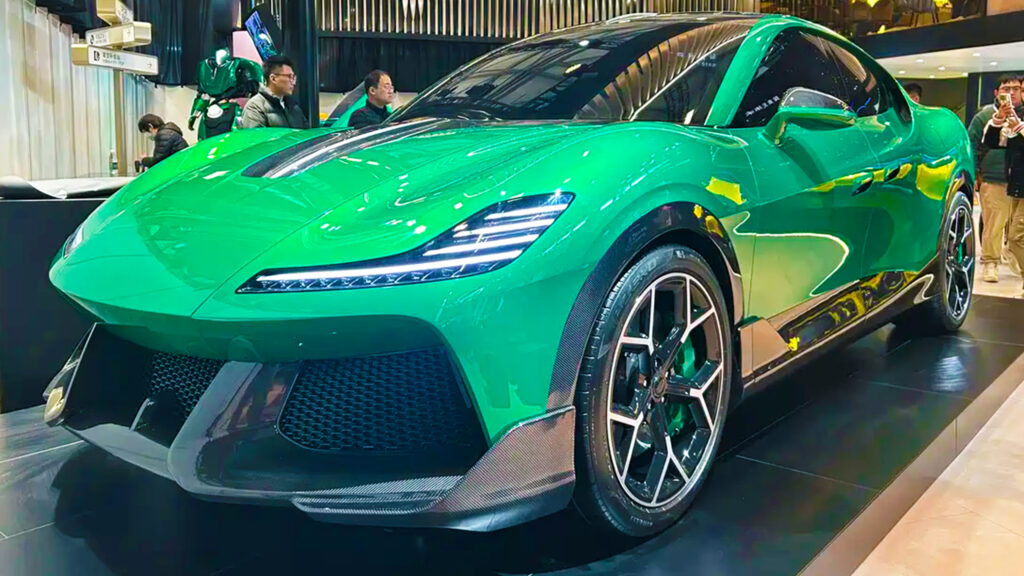
The company Dreame, known for its vacuum cleaners, continues to shock the automotive world. At a home appliance and electronics exhibition in China, it showcased its new concept car — a tall electric crossover named the Nebula Next 01X. This model complements the previously presented 01 coupe and marks another step for the firm towards establishing its own automotive business.
Key features of the new concept:
Family resemblance and ambitious plans
Dreame has already announced plans to create three separate automotive brands: Nebula Next, Kosmera, and Star Motor. The new 01X largely inherits the design of the 01 coupe presented in January but features a higher ride height, reminiscent of the Ferrari Purosangue competitor.
Dreame has blatantly copied some existing Chinese vehicles with its Star Motor brand, and for the 01X, has copied its own homework.
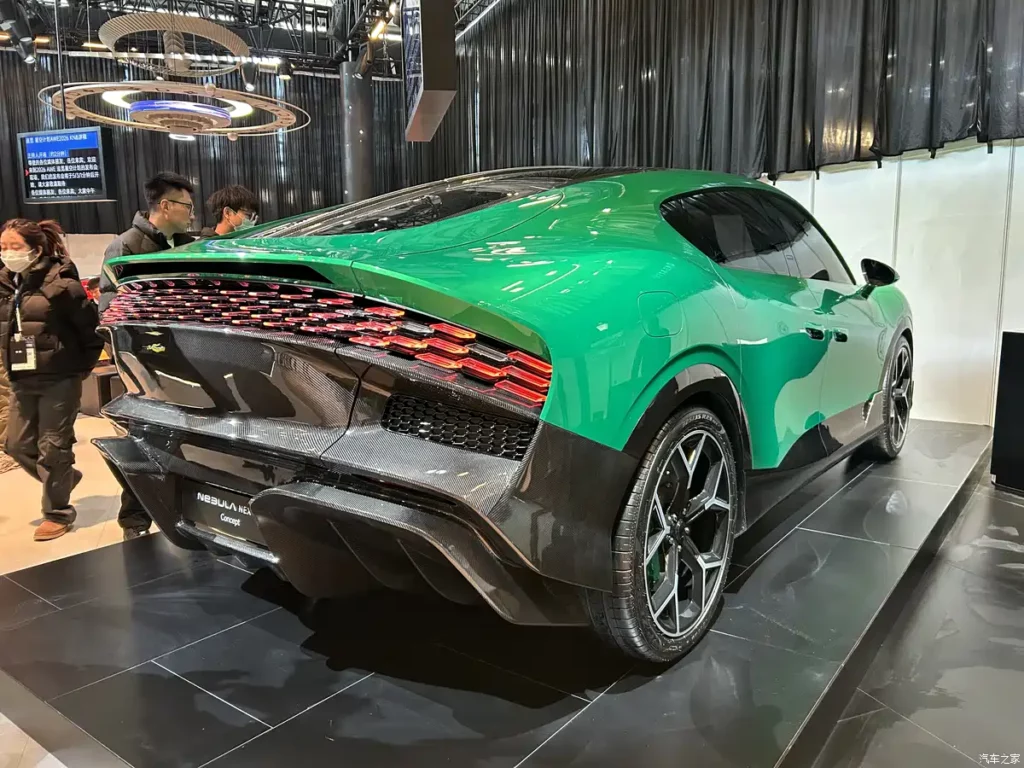
The concept is executed in the same bright green color scheme as the coupe, with extensive use of carbon elements on the lower part of the body. The front and rear lights also look identical. While the design is not unique, it certainly attracts attention.
Impressive technologies
However, the most interesting aspect under the hood (or rather, under the floor) is the powertrain. The company claims to have developed the first production-ready solid-state battery pack.
According to the manufacturer, the 60 Ah battery has an energy density of 450 Wh/kg. It is this battery that provides the incredible power of 1876 hp, which, according to the engineers, enables phenomenal acceleration.
Reality vs. concepts
The question of whether this car will see the light of day in series production remains open. The Chinese market has seen both successful entries into the world of electric vehicles from giants like Xiaomi or startups like Nio, as well as numerous failed attempts. Creating a show-stopping concept is much easier than establishing mass production of reliable and competitive cars. Dreame has big ambitions, but it still has a long way to go to prove its seriousness in the automotive industry. Small-scale deliveries are planned to begin this year, with full-scale production ramping up in 2027, which sounds very optimistic for a company that has not yet built a single production car.
The emergence of players like Dreame vividly illustrates the trend of diversification among technology companies and their desire to secure a place in the promising electric vehicle market. Their experience in mass-producing complex household devices could be an advantage; however, a car represents a much higher level of responsibility, safety requirements, and supply chain complexity. Success will depend not so much on the performance figures of concept cars, but on the ability to implement technologies into an affordable and reliable product for the end consumer.