


Car buyers are in for a new unpleasant surprise when studying the price sticker. In addition to the high recommended price, which is approaching $50,000, the so-called destination and delivery fees are rising rapidly. These unavoidable charges, listed at the bottom of every sticker, are getting higher and higher.
Record Growth of Unavoidable Fees
Price data provided to the Detroit Free Press shows that for 2025 models, delivery fees have risen faster than at any time in the past decade. If in 2017 the average fee was less than $1,000, today it’s not uncommon for buyers to be charged double that amount or even more. Moreover, these increases often happen not once a year, but several times within a single model year.
Also: Sales of American Luxury Cars Over $100,000 Will Nearly Double by 2035
How Delivery Costs Were Turned into a Profit Tool


Why such a sharp increase? Analysts point to inflation, which has raised transportation costs, and tariffs, which add costs to imported cars and parts. Instead of raising the Manufacturer’s Suggested Retail Price (MSRP) and risking scaring away buyers, automakers are incorporating a larger portion of these costs into the delivery fee for all models, regardless of whether import tariffs directly affect them. Essentially, they are spreading the additional costs across the entire model lineup. On paper, the initial price difference looks small, but thanks to this fee, the actual increase is significantly larger. And this is without even considering the usual dealer add-ons, often unnecessary, which are still regularly pushed on buyers, or inflated administrative fees in many states.
I’ve seen delivery fee increases that go beyond the usual annual adjustments. Almost everyone is guilty of this to some extent due to tariffs, inflation, and the desire to hedge.
Leaders in Fee Growth


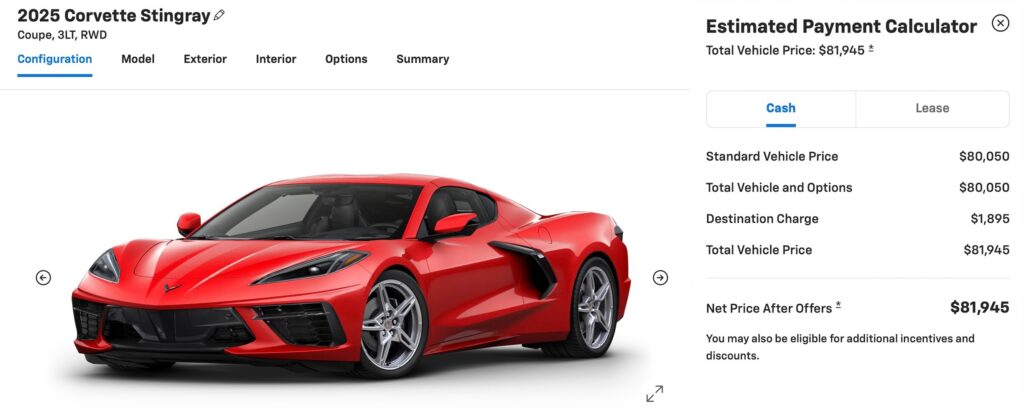
Detroit brands are leading when it comes to destination and handling fees. Over the past four years, General Motors and Ford have increased these fees by almost 40 percent, while Stellantis raised them by about 33 percent. Their large pickups have seen repeated increases in recent years, rising from $1,995 to $2,195. If you order a base 2026 model year Ford F-150, $2,595 of your bill will be delivery costs. For the Corvette, that amount is $1,895.
Strange Price Differences
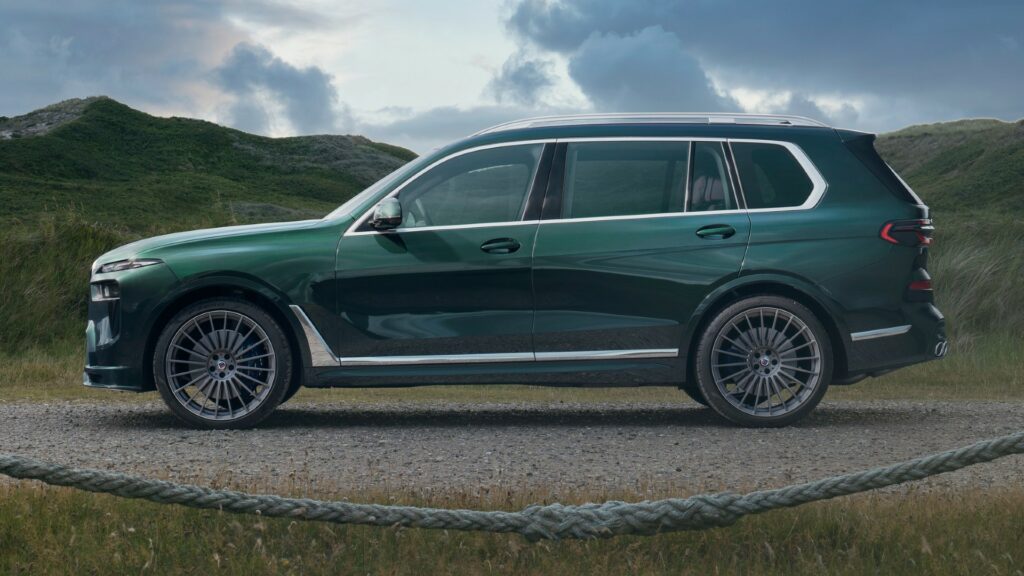

Smaller models haven’t been overlooked either. The Ford Maverick and Ranger have seen noticeable increases, with the Maverick’s delivery fee currently at $1,695. However, strangely, these fees vary greatly within the industry. For example, the destination fee for the Alpina XB7 is only $1,175, although, given that its MSRP is $156,000, you can be sure BMW is still getting its profit.
Built-in Costs That Cannot Be Avoided
They are hiding part of the tariff costs in the delivery fee. After all, you can’t refuse this fee, even if you live next to the factory and pick up your car at the gate. It should just be part of the price.
Over the past nine months, Ford, GM, and Stellantis have raised these fees twice for large trucks and SUVs: from $1,995 at the start of the year to $2,195 in the spring and to $2,595 around September. They also raised these fees for smaller cars.
Unsurprisingly, with the growth of delivery fees, the average transaction price, i.e., the real amount the buyer pays, is at record levels. In November, the average transaction price for a new car was $49,814, which is 1.3 percent higher. The market is supported by a steady stream of older and wealthier drivers who seem to feel almost no financial pressure compared to less affluent households. These affluent buyers tend to choose expensive SUVs over budget compact cars, meaning only 7 percent of new cars sold last month cost less than $30,000.

This practice of masking real price increases could have long-term consequences for the affordability of new cars. On one hand, manufacturers maintain competitive “starting” prices in advertising and on the showroom floor, which is important for buyer psychology. On the other hand, the final amount on the receipt is becoming less and less predictable for the average consumer. This creates an additional barrier for younger or less affluent buyers who are already facing high loan interest rates. As a result, the new car market may become even more elitist, focused on customers for whom an extra few thousand dollars is not a decisive factor, further distancing the dream of a new car from broad segments of the population.