


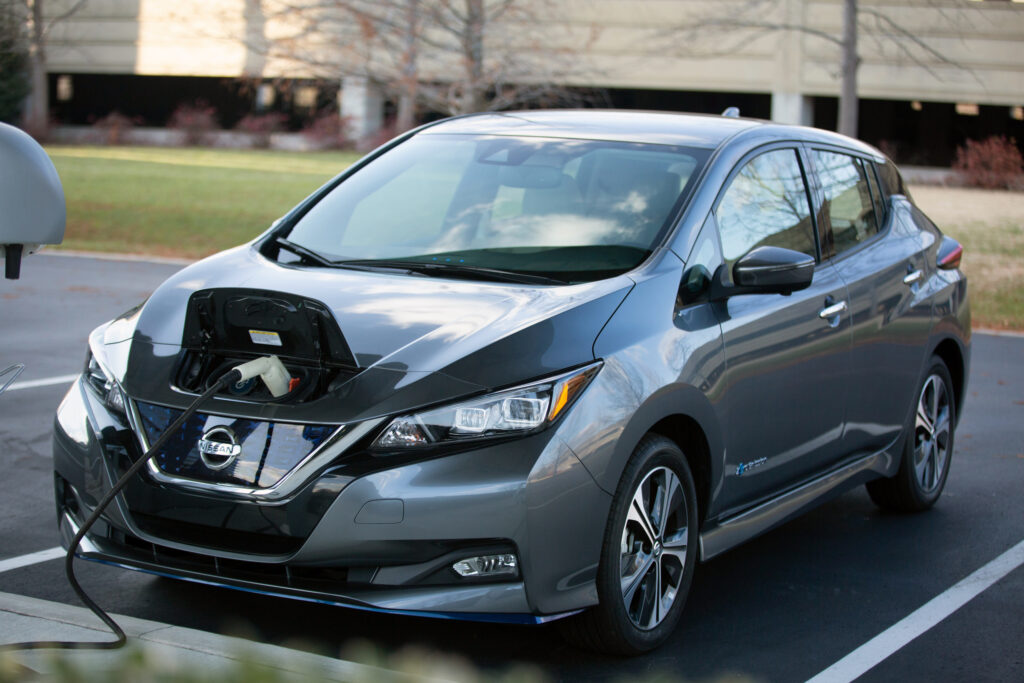
The used electric vehicle market is growing, but is it really that simple?
Previously, buying a used electric vehicle might have seemed risky, especially if it was a few years old. However, the situation is changing. According to a Cox Automotive report, sales of used EVs rose by 27.7% in March compared to last year. Even more telling is that March figures were 53.9% higher than February’s. There are several reasons for these changes, but experts warn: although cheap EVs may look attractive, buyers should be aware of some hidden nuances.
Influx of used electric vehicles
One reason is simple math: the more people buy new EVs, the more appear on the used car market after lease agreements end. As Joseph Yoon, an analyst at Edmunds, notes,
The highest concentration of lease deals occurred between late 2022 and late 2023. Since most leases are for three years, all these cars are now flooding back onto dealer lots.
This means most depreciation has already occurred, leading to very attractive deals on the secondary market. In fact, 44% of EVs sold in March this year cost less than $25,000.
More choice and price parity
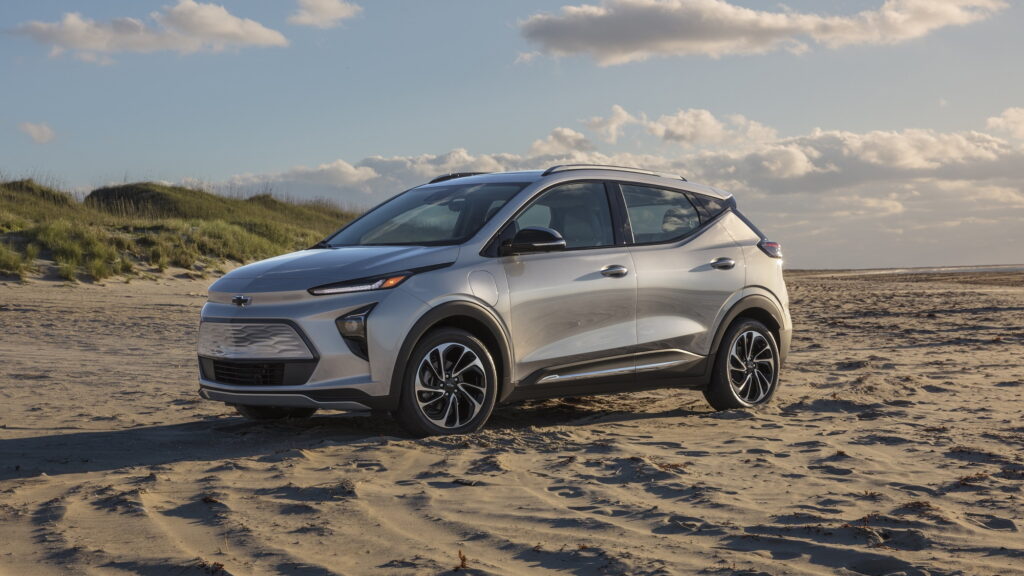

Previously, EVs were offered by only a few manufacturers, but now the used car market features a true variety of models. And with more choice comes lower prices. The average price of a used EV in March was $34,653, while the average price of a gasoline car was $33,641. Price parity is already very close.
Since used EVs no longer have a price premium over their gasoline counterparts, they have become more accessible to buyers who have long wanted to switch to electric but lacked the opportunity. Not only are lower purchase prices attractive, but also the promise of low operating costs.
Costs to consider
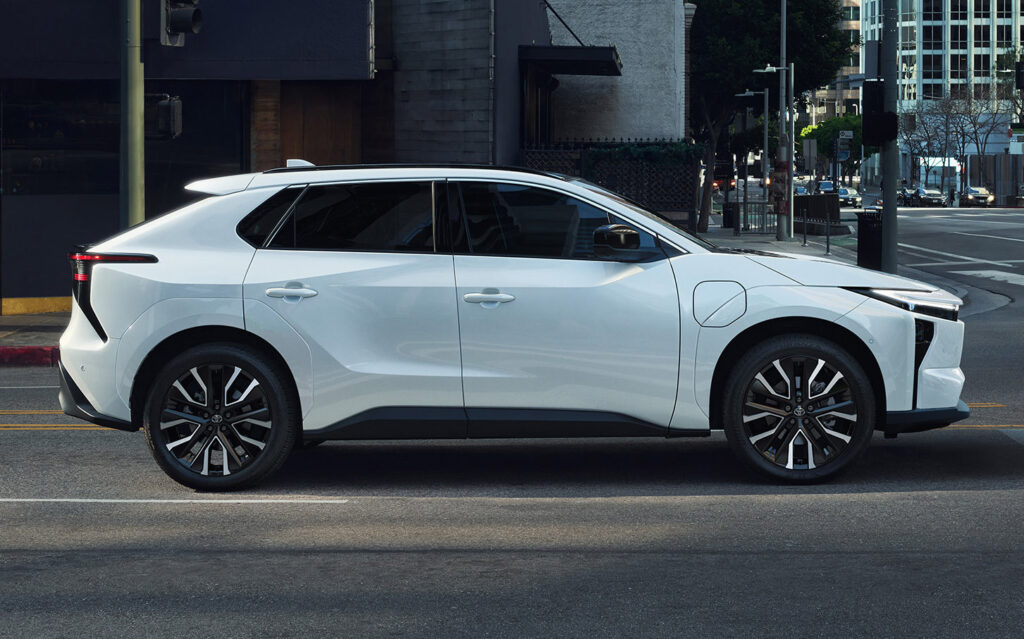

Charging an EV, especially at home, can be quite cheap. According to a Kelley Blue Book report, based on an average monthly mileage of 1,015 miles, home charging averages $59.66. However, not everyone can install a home charging unit. If you are forced to rely exclusively on public fast chargers, the situation changes. The cost rises to $169, which is slightly higher than the $147.24 spent by an average gasoline car achieving 30 miles per gallon.
Another advantage regularly touted by EV manufacturers is relatively low maintenance costs. Indeed, there is no need to spend money on oil and filter changes since the EV lacks an internal combustion engine. Additionally, thanks to regenerative braking, brake pads also last longer. However, there is one component that wears out faster than in gasoline cars: tires. According to Consumer Reports, this is due to the higher curb weight of EVs, which accelerates tread wear.
Cost of components
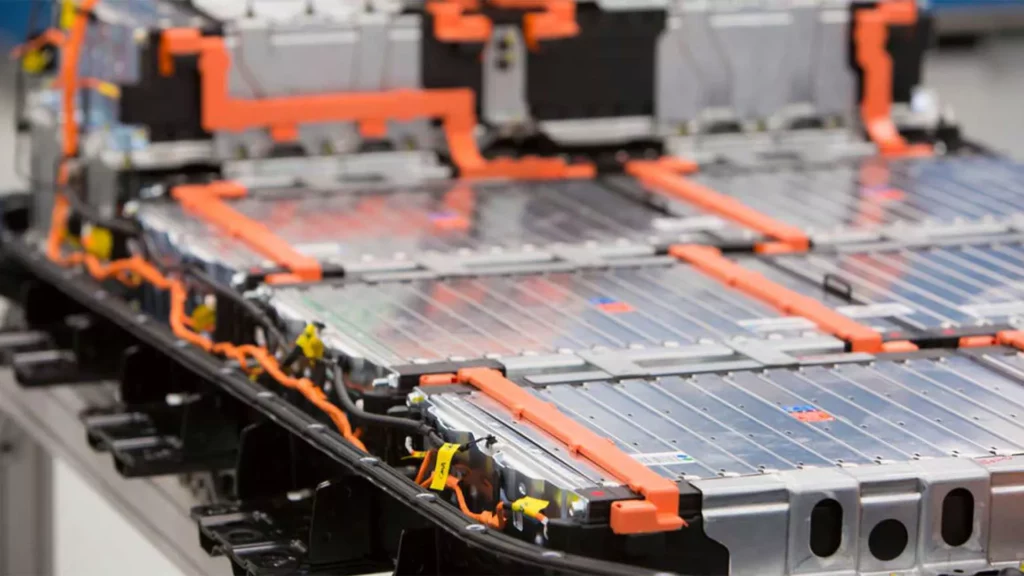
EVs also have quite expensive components that can cost significant money if they fail after the warranty expires. The most important of these is the traction battery, with replacement costs ranging from $5,000 to $15,000. Therefore, experts advise looking for a used EV that still has warranty coverage. Typically, battery warranties are for eight or ten years and, in most cases, transfer to the next owner.
Post-accident repairs are another area where EVs cost more. In 2025, the average repair cost for an EV after a collision was $6,395, compared to $5,105 for gasoline cars, according to Mitchell International. Insurance is also more expensive: the average annual cost of insuring an EV reaches $4,058 versus $2,732 for a comparable gasoline car, according to a 2025 Insurify report. However, the actual amount varies significantly depending on the model, insurer, and region, and a used EV is generally cheaper to insure than a new one.
Overall, the used EV market is indeed becoming more accessible, and prices are approaching those of traditional cars. However, potential buyers should carefully weigh not just the initial cost but also long-term expenses for repairs, insurance, and charging, especially if home infrastructure is unavailable. Choosing a model with remaining battery warranty may be a key factor in avoiding unexpected financial costs in the future.