


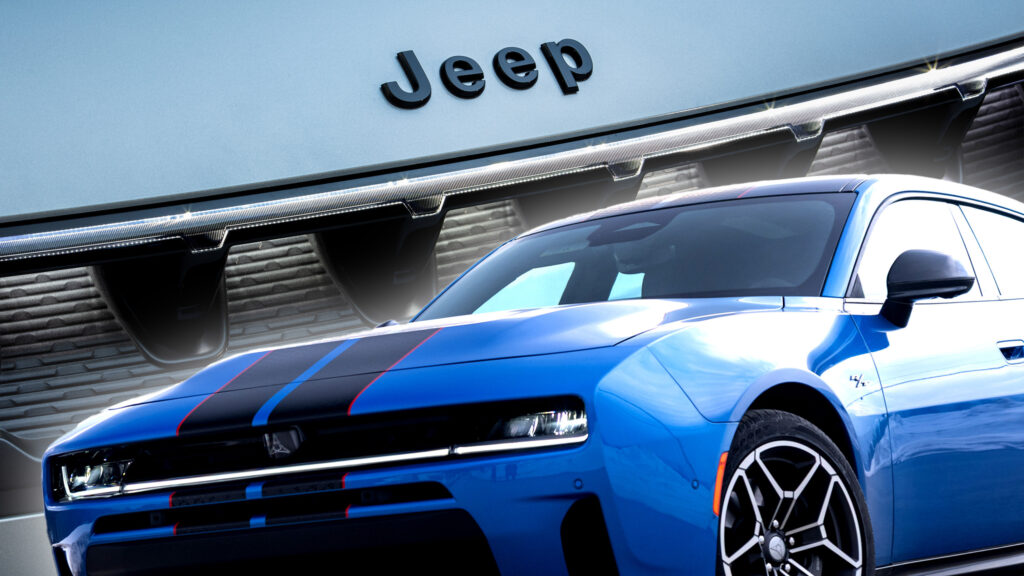
Stellantis reported sales growth in the first quarter of 2026, becoming the only one of Detroit’s “Big Three” automakers to boast positive dynamics. The main contributors to this were the Ram and Jeep brands.
Sharp Decline in Popularity of Electric Jeep
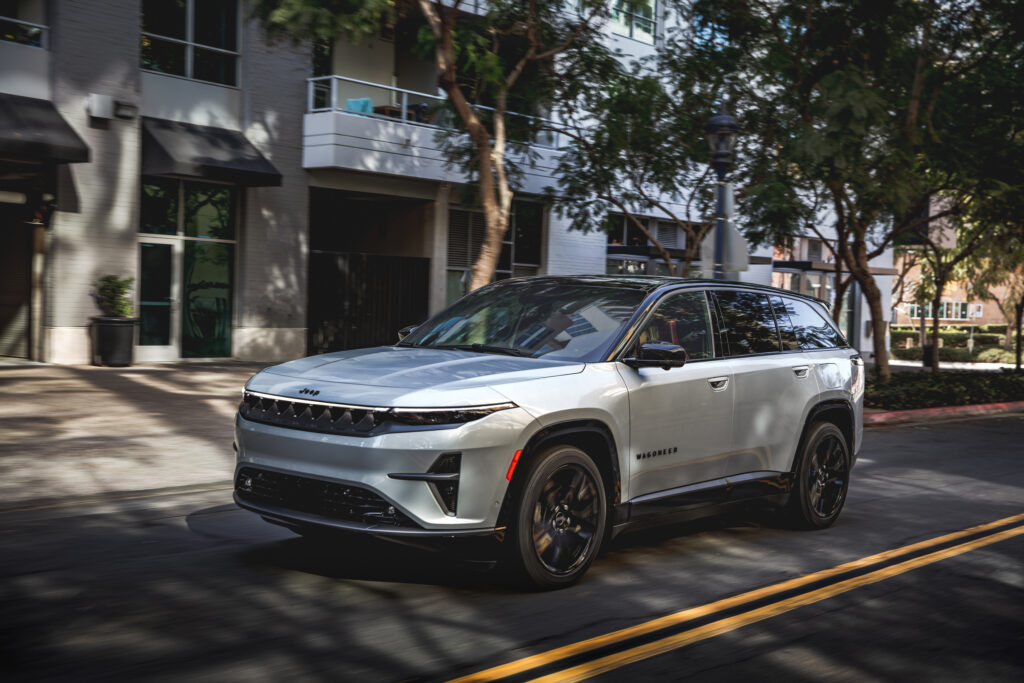
Despite its stylish design, performance characteristics, and decent range, the Jeep Wagoneer S electric SUV faced a sharp drop in demand. In the first three months of 2026, only 175 such cars were sold in the USA. For comparison, 2,595 units were sold during the same period in 2025. This is a drop of over 90%.
This situation illustrates the general cooling of the US electric vehicle market, which began last year. Furthermore, it indicates that few buyers are willing to pay over $60,000 for an electric Jeep that does not stand out much against the backdrop of numerous competitors in the electric SUV segment.
Gasoline Versions Significantly More Popular Than Electric Ones
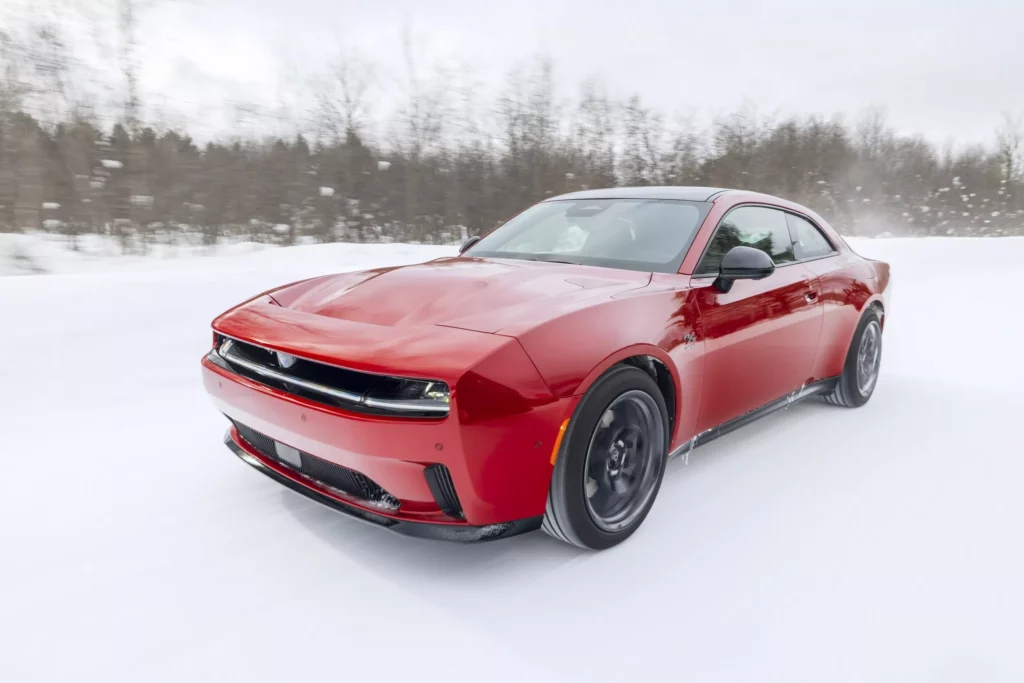
The trend did not bypass other electric models from Stellantis. For example, sales of the electric Dodge Charger fell by 88%, to 240 cars per quarter. At the same time, the Charger version with a six-cylinder gasoline engine has already significantly exceeded this figure, with a result of 1,672 cars sold. This creates a ratio of approximately 7 to 1 in favor of the internal combustion engine vehicle, clearly demonstrating buyers’ choice when they have an alternative.

Overall Stellantis Sales Picture
Despite problems with electric vehicles, Stellantis’s total sales in the USA reached 305,902 units, which is 4% more than a year earlier. This contrasts with a 9.7% decrease at General Motors and an 8.7% decrease at Ford.
The Jeep brand increased sales by 3%, to 144,552 vehicles. This was facilitated by a 17% increase in Wrangler sales and a 10% increase in Grand Cherokee sales. The Grand Wagoneer model showed rapid growth of 667%, although this is partly explained by the merging of the Wagoneer and Grand Wagoneer lineups into one at the end of last year.

The Ram brand demonstrated growth of 20%, reaching 112,160 vehicles sold, thanks to strong demand for pickup trucks. Dodge also slightly increased its figures by 4%, mainly due to the Durango, whose sales grew by 48%.
However, not all of the concern’s brands were so fortunate. Chrysler recorded a 28% drop, and Alfa Romeo a 53%, selling only 919 cars in the quarter. According to preliminary data, this is likely less than what Ferrari sold in the USA during the same period.
Detailed Sales Statistics
The table below provides detailed sales statistics for the main Stellantis models in the USA for the first quarter of 2026 compared to the same period in 2025.
Stellantis USA 2026 Sales
Model | Q1 2026 | Q1 2025 | % Change
Compass | 18,573 | 31,730 | -41%
Wrangler | 44,461 | 37,944 | 17%
Gladiator | 10,087 | 12,057 | -16%
Cherokee | 2,489 | 156 | 1496%
Grand Cherokee | 53,482 | 48,465 | 10%
Renegade | 23 | 370 | -94%
Wagoneer | 1,068 | 5,400 | -80%
Wagoneer S | 175 | 2,595 | -93%
Grand Wagoneer | 14,174 | 1,849 | 667%
JEEP BRAND | 144,552 | 140,583 | 3%
Ram LD PU | 59,828 | 47,067 | 27%
Ram HD PU | 38,597 | 31,781 | 21%
TOTAL Ram PU | 98,425 | 78,848 | 25%
ProMaster Van | 13,735 | 14,519 | -5%
RAM BRAND | 112,160 | 93,368 | 20%
Voyager | 3,612 | 2,319 | 56%
Pacifica | 21,804 | 32,409 | -33%
CHRYSLER BRAND | 25,423 | 35,069 | -28%
Hornet | 417 | 4,108 | -90%
Charger | 1,672 | 1,052 | 59%
Charger BEV | 240 | 1,947 | -88%
Challenger | 45 | 922 | -95%
Durango | 20,300 | 13,701 | 48%
DODGE BRAND | 22,693 | 21,731 | 4%
500e | 68 | 448 | -85%
500X | 71 | 74 | -4%
FIAT BRAND | 155 | 522 | -70%
Giulia | 252 | 541 | -53%
Stelvio | 429 | 686 | -37%
Tonale | 238 | 725 | -67%
ALFA ROMEO | 919 | 1,952 | -53%
FCA US LLC | 305,902 | 293,225 | 4%
These numbers clearly outline the dual reality in which Stellantis finds itself. On one hand, the concern demonstrates overall resilience and even growth thanks to its core, predominantly gasoline-powered models, such as Ram pickups and Jeep SUVs. On the other hand, its electric initiatives, represented by models like the Wagoneer S and Charger BEV, are under significant pressure. Sales drops of 90% and more indicate not just cyclical fluctuations, but a deep-seated problem with the competitiveness of these specific products in current market conditions. The success of the new gasoline-powered Charger compared to the electric one is particularly telling. It suggests that even within a single model line, buyers show a clear preference for the traditional powertrain when given a choice. The future of Stellantis’s electric portfolio will likely depend on the company’s ability to offer more attractively priced and featured products that can overcome buyer skepticism.