


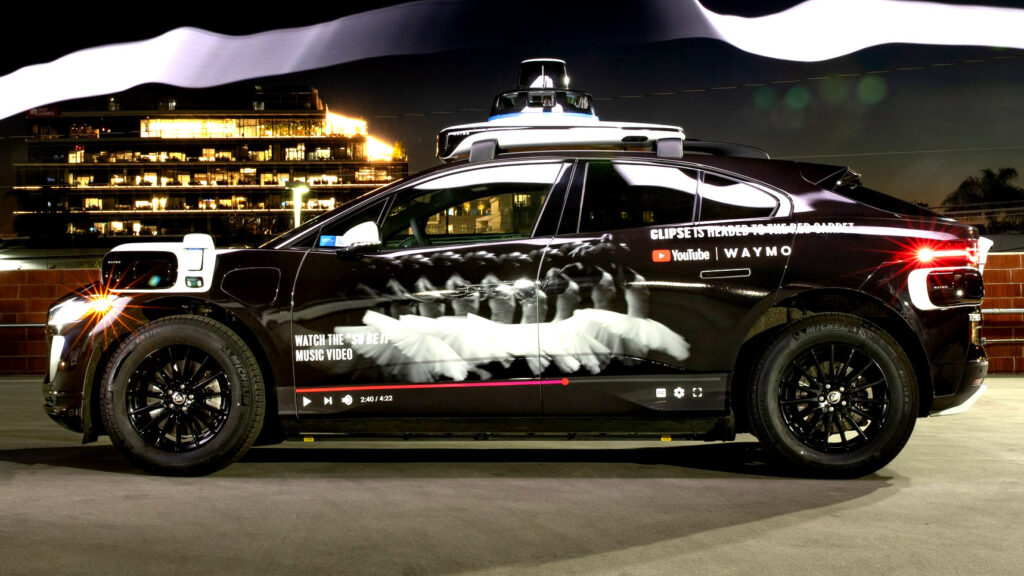
Waymo, a leader in the autonomous vehicle sector, is preparing to launch a paid robotaxi service in London. Fully autonomous cars are expected to start carrying passengers as early as September this year. In preparation for the launch, the company is already actively mapping London’s streets using electric Jaguar I-Pace SUVs with safety drivers at the wheel.
Launch Preparation and Safety
The launch will be made possible by new regulatory norms that will allow the operation of robotaxis in the second half of 2024. Local Transport Minister Lilian Greenwood confirmed that Waymo, owned by Alphabet (Google’s parent company), will begin pilot service in April, with a full launch planned for September.
Minister Greenwood emphasized that all Waymo robotaxis will be subject to strict safety criteria before being allowed on the roads. This includes resilience to cyberattacks and secure software protocols to prevent hacking.
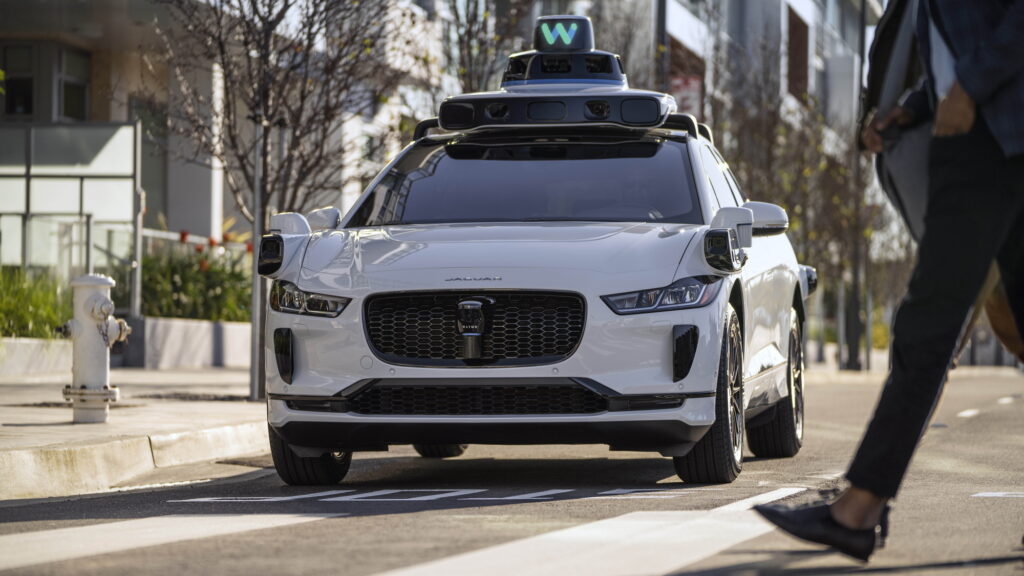

Test vehicles, equipped with advanced radars, lidars, and cameras, are already operating around the clock in selected London boroughs such as Camden, Hackney, Hammersmith and Fulham, Lewisham, Newham, and Westminster. The goal is to collect the most comprehensive data on the city’s road infrastructure.
Context and Competition
These plans are unfolding against a backdrop of increased scrutiny of Waymo’s activities in the USA, where the National Highway Traffic Safety Administration has launched an investigation following an incident where the company’s robotaxi collided with a child near a school in Santa Monica, California.


After completing the mapping and obtaining all necessary permits, users will be able to order a ride via the Waymo app. The service is positioned as premium, with dynamic pricing during peak demand hours, although exact tariffs have not yet been announced.
Waymo is not the only company seeing London’s potential. Giants like Uber and Lyft have also expressed interest in launching their own robotaxi services as soon as the legal framework allows it. Thus, the UK capital could become a key battleground for the future of the transportation industry.
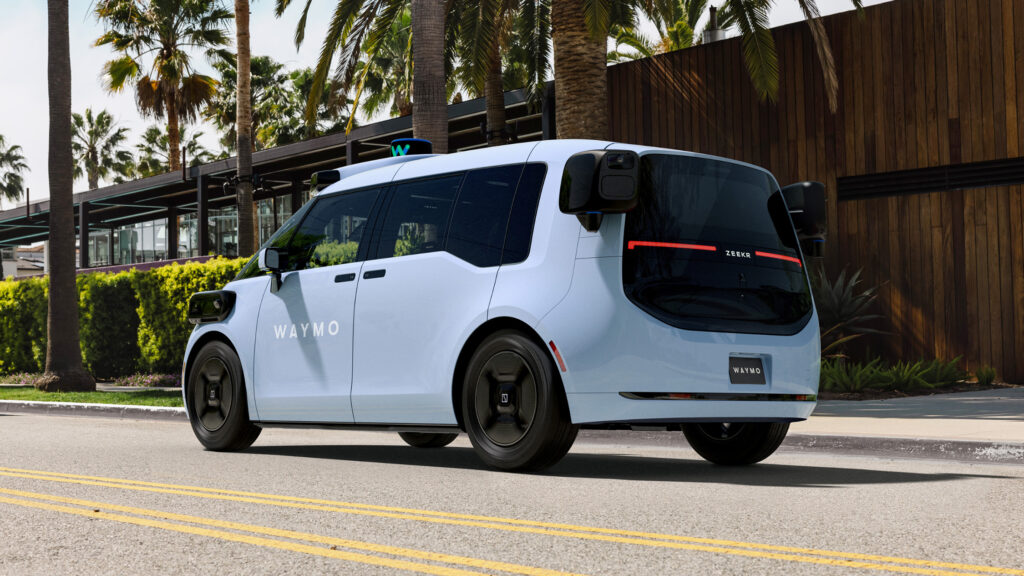

The success of this initiative in one of Europe’s most complex and congested cities will be a crucial test not only for the technology but also for public perception. Issues of safety, interaction with regular transport and pedestrians, as well as the impact on the labor market will be under close scrutiny. The reaction of Londoners and the system’s efficiency in conditions of dense traffic, narrow historic streets, and changeable weather will determine how quickly autonomous taxis can become part of everyday life in megacities.