


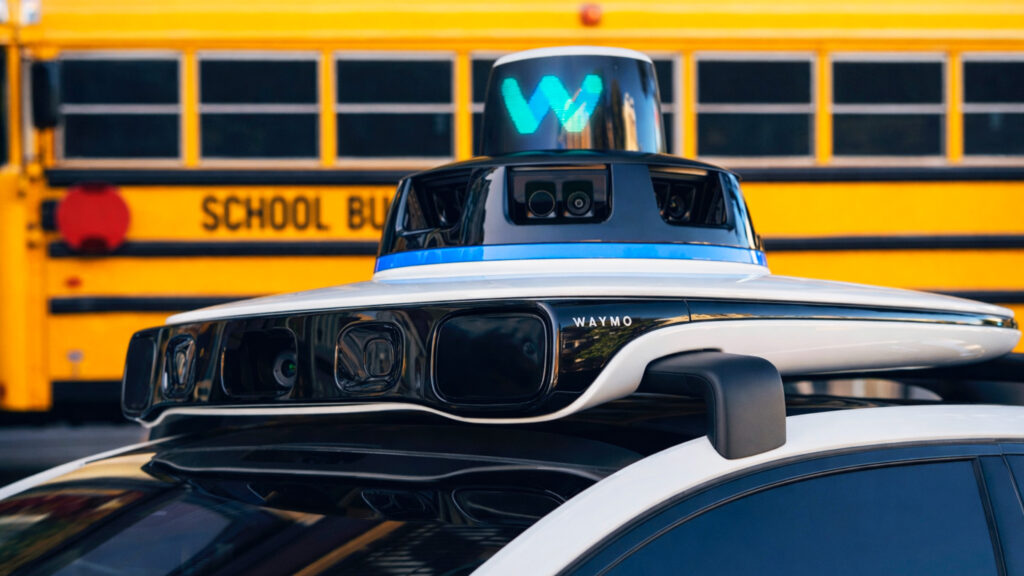
Waymo Robotaxis Under Investigation After Incident Near School
The US National Highway Traffic Safety Administration (NHTSA) has launched a preliminary investigation into a Waymo autonomous vehicle that collided with a child near an elementary school in Santa Monica. The incident occurred on January 23, 2026, during regular student drop-off hours.
According to the investigation, the child ran into the roadway from behind an SUV that was double-parked. The robot vehicle managed to significantly reduce its speed before the collision. Waymo stated that its system reacted faster than even an attentive human driver would have.
Waymo says its system spotted the child as soon as they began emerging from behind the SUV and braked hard, scrubbing speed down significantly before contact to 6 mph (10 kmh). The company also says its modeling suggests a fully attentive human driver might have hit the child at more than double that speed.
Is the System Safe Enough Around Schools?
School zones are among the most complex traffic environments: children, parents, crossing guards, and vehicles stopping in unauthorized places. This is precisely the kind of chaotic real-world scenario that autonomous driving technology, according to developers, should handle better than humans.
After the incident, the vehicle stopped, parked itself, and autonomously called emergency services. However, regulators want to determine whether the Waymo system operates reliably enough specifically near educational institutions. The investigation will focus on how the autonomous system selects speed, the level of caution, and how it responds to emergencies during peak hours.
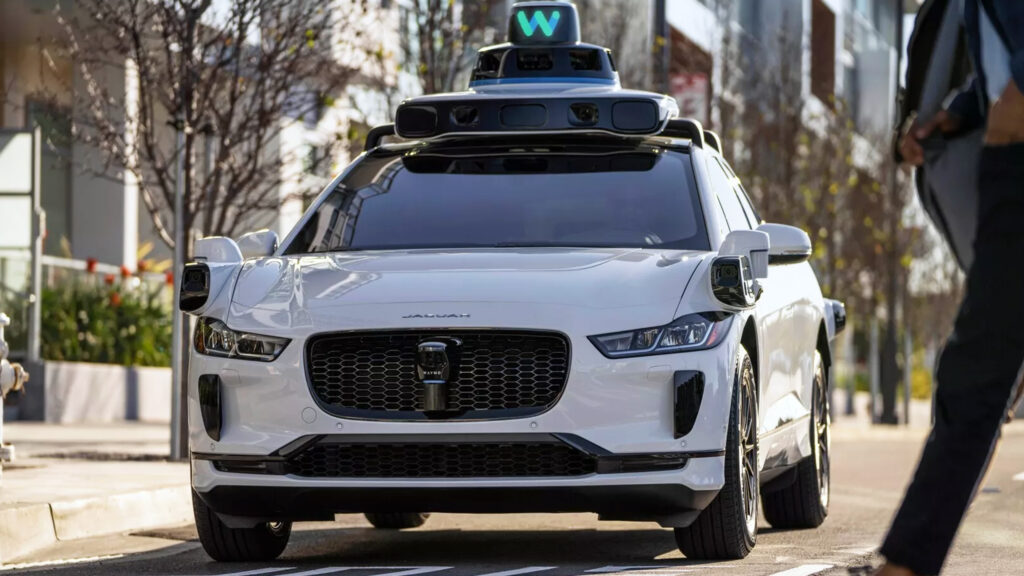

Broader Context of Autonomous Vehicle Safety
This case is not isolated. Waymo has already faced regulatory questions due to incidents where its vehicles passed stopped school buses in other states. This indicates increased scrutiny from regulators regarding the operation of autonomous systems in complex conditions.
Companies developing autonomous driving often claim their systems are on average safer than humans. However, such incidents show that the debate is not only about average statistics or laboratory tests. It is about every real case in the most chaotic and unpredictable “human” environments. The road in front of a school at 8:30 AM is a prime example of such an environment.
The industry’s development, particularly with the emergence of robotaxis from Tesla, only increases the relevance of these questions. Regulators and the public will be watching ever more closely how the technology handles the responsibility for safety in the real world, where algorithms meet children’s games and sudden decisions. The incident in Santa Monica, despite minimal injuries, becomes an important precedent for assessing the readiness of autonomous systems for full operation in all urban traffic scenarios.