


Waze receives new features: motorcycle mode and a “less chatty” option
Artificial intelligence is playing an increasingly important role in navigation, and the latest technologies help plan trips and get answers to questions about the surrounding environment. While the main focus has been on Google Maps, Waze has announced a range of new features.
Among them is personalized navigation, which will suggest routes based on your previous trips. Essentially, the app learns your preferences and remembers what types of roads you choose.
For example, if you frequently use a highway instead of city streets, such routes will be displayed first. At the same time, users will be able to easily choose alternative routes or turn off personalization entirely. This feature is already being rolled out gradually worldwide.
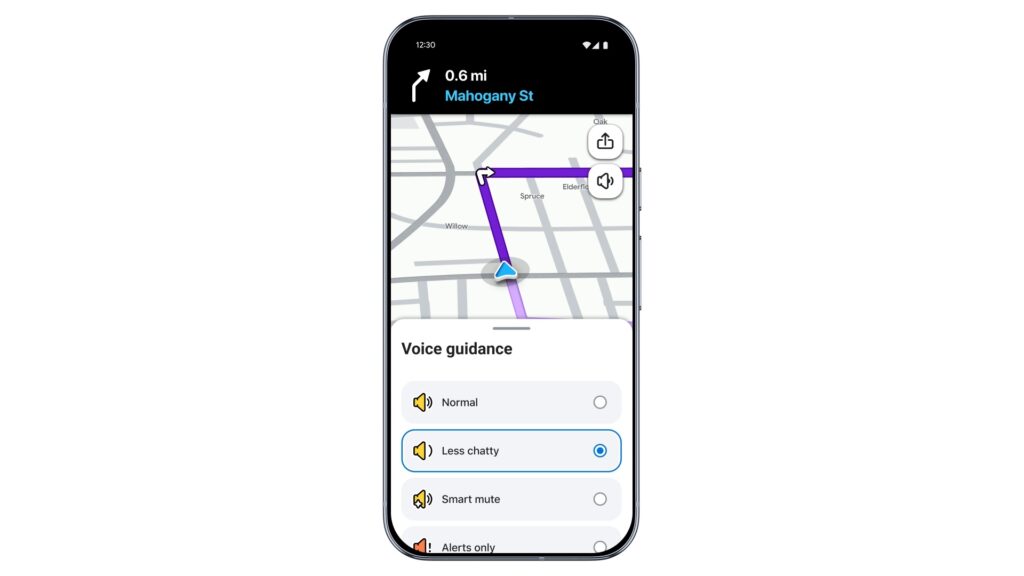
New “less chatty” mode
Another interesting update is the “less chatty” mode. As the name suggests, it minimizes interruptions and makes prompts shorter. However, drivers “will still receive important reminders about hazards, turns, and lane changes.”
This setting is already available and is designed for those who prefer music over constant prompts.
Motorcycle mode
Speaking of modes, a new motorcycle mode has appeared, which could be a real breakthrough. It takes into account that motorcycles maneuver easily on narrow streets but are more sensitive to road unevenness.
When a user selects motorcycle mode, the app finds the best route for riders and shows hazards that do not concern cars. This includes potholes, speed bumps, and raised pedestrian crossings.
Waze notes that this became possible thanks to a combination of real-time traffic information and a “special group of map editors for motorcycles” who identify new hazards. Motorcycle mode is launching in several countries, including Argentina, Brazil, Colombia, Malaysia, Mexico, Peru, and the Philippines, but the list will expand.

Updates with artificial intelligence
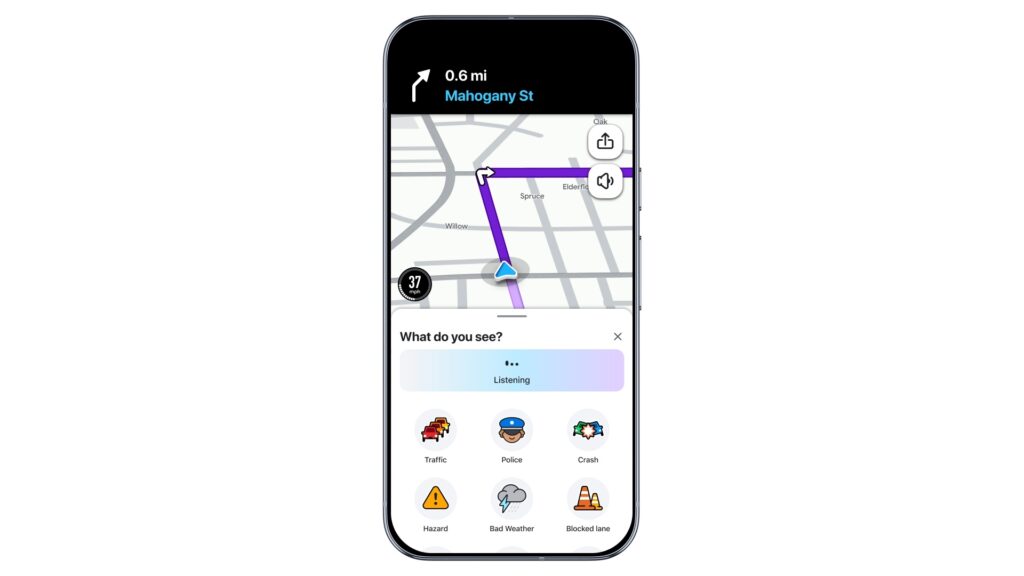
Returning to hazards on the map, Waze is making the process of reporting issues even simpler. Based on the existing Gemini integration, the app receives a “Conversational report” feature that does the heavy lifting.
If you encounter a road closure, you can simply say: “The road is blocked here.” The app will send the relevant information to local map editors, who will verify the data and update the map.
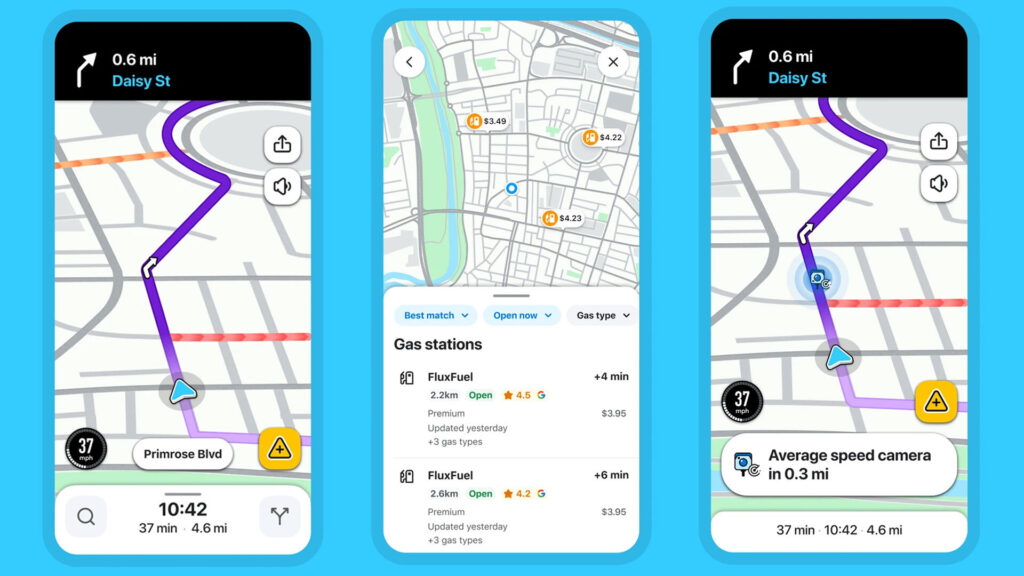
As for Gemini, Waze is becoming smarter and offers useful suggestions even if you do not know where to go. Users can tap the voice search icon and ask questions like: “Find a coffee shop that is open now”, “Find a parking spot near the Grand Mall”, or “Find the nearest gas station with the lowest prices.”
In effect, Waze finds the destination for you. This resembles the “Ask Maps” feature in Google Maps, and it is now gradually being rolled out within the Waze beta community.
These updates indicate that Waze is actively integrating artificial intelligence to improve the user experience, making navigation more intuitive and adapted to the needs of different types of drivers. The motorcycle mode, in particular, addresses the specific problems of two-wheeled vehicles, which could significantly enhance safety. At the same time, the “less chatty” mode and voice features with Gemini make the app more convenient for those who value minimal distractions or need a quick way to find places without extra manipulation. Overall, Waze is moving towards a more personalized and intelligent assistant that takes into account not only road conditions but also individual preferences.