


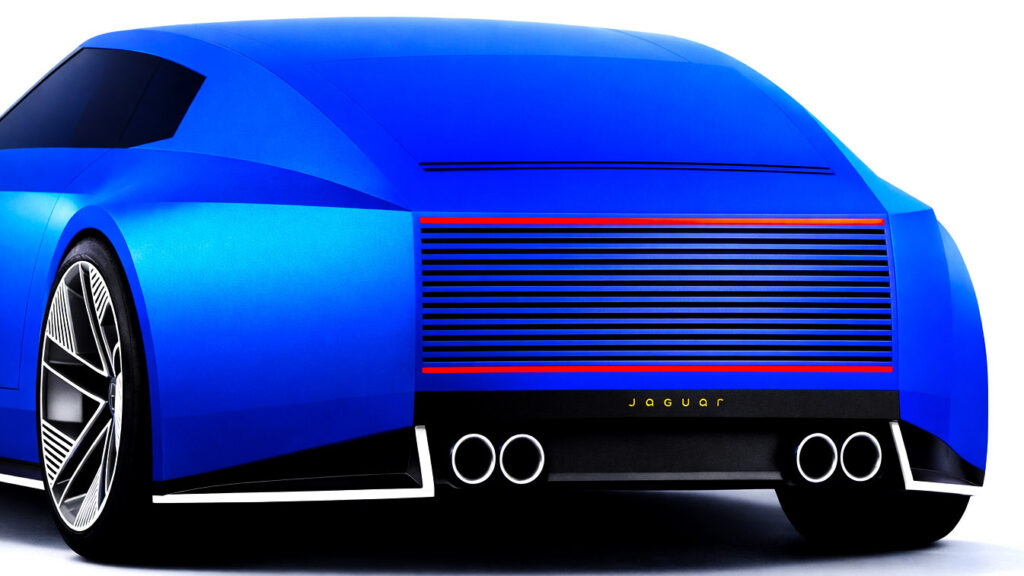
Report on possible changes to Jaguar’s electric strategy
The British luxury brand Jaguar, which announced a radical shift to exclusively electric models, is reportedly exploring the possibility of bringing back petrol engines in the form of hybrid systems. According to sources, the company’s engineers are researching so-called ‘range extender’ technology, where a small internal combustion engine acts as a generator to charge the batteries.
Key theses under discussion:
Technical details and potential benefits
Reportedly, such a system would allow for a significant increase in total range. If a purely electric version can travel about 700 kilometers, with a range extender this figure could rise to 1100 kilometers. This would be a significant argument for buyers who appreciate the advantages of electric propulsion but are concerned about potential difficulties on long trips related to the need for charging.
“Plans to transform Jaguar into a brand that produces exclusively electric luxury cars have not changed,” a Jaguar spokesperson stated.
Engineering challenges and market context
Adapting the new JEA electric platform to accommodate an internal combustion engine could be challenging due to battery placement specifics. However, there are already examples of similar developments on the market, so technical implementation is entirely possible.


These rumors emerge against the backdrop of a general cooling of demand for expensive electric cars in key regions such as the US and China. Other premium brands, for example Porsche, are also reviewing their electric strategies, increasing focus on hybrid models. In China, range extender technology is already gaining popularity, while in Europe it is less common.
Official denials and future plans
Jaguar representatives categorically deny any changes in strategy. They confirm that the first fully electric new-generation Jaguar will be unveiled this year. This will be the production version of the Type 00 concept, to be followed later by two more electric cars, including a crossover.
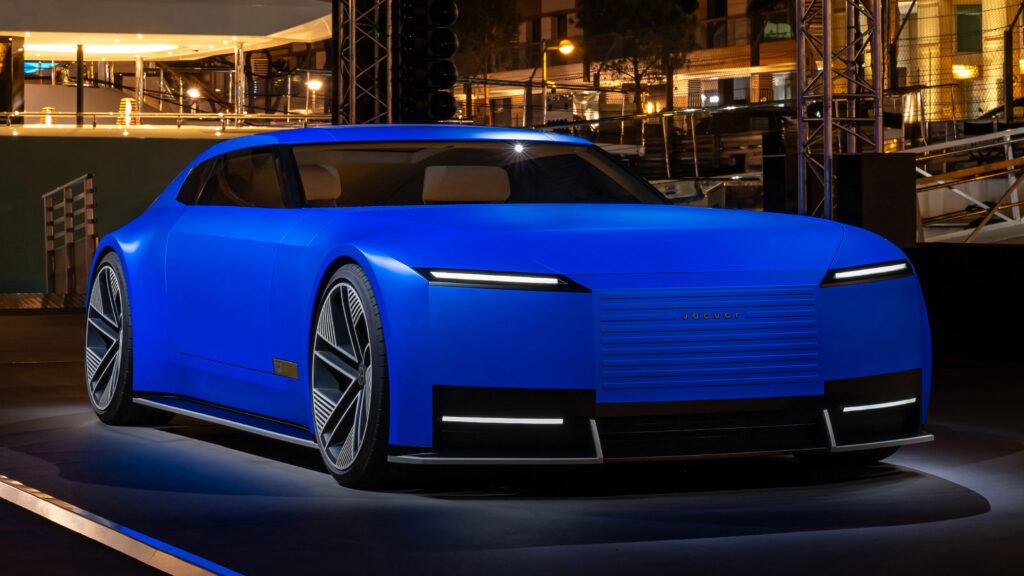

A source close to the company called the reports about hybrids “nonsense,” confirming that the brand’s reboot as exclusively electric will proceed exactly as planned.
The situation around Jaguar vividly illustrates the complex challenges automakers face in transitioning to electric vehicles. On one hand, there is a long-term strategy and public commitments to decarbonization. On the other – the need to respond to fluctuations in market demand and technological possibilities that could serve as an interim solution. Regardless of whether these rumors are confirmed, they show how dynamic the modern automotive industry is. The success of any strategy will depend not only on technical innovations but also on the brand’s ability to convince both dealers and end consumers of the correctness of the chosen path, especially in the high-end segment where customer expectations are extremely high.