 by
by Unconventional Appearance of a Luxury Minivan
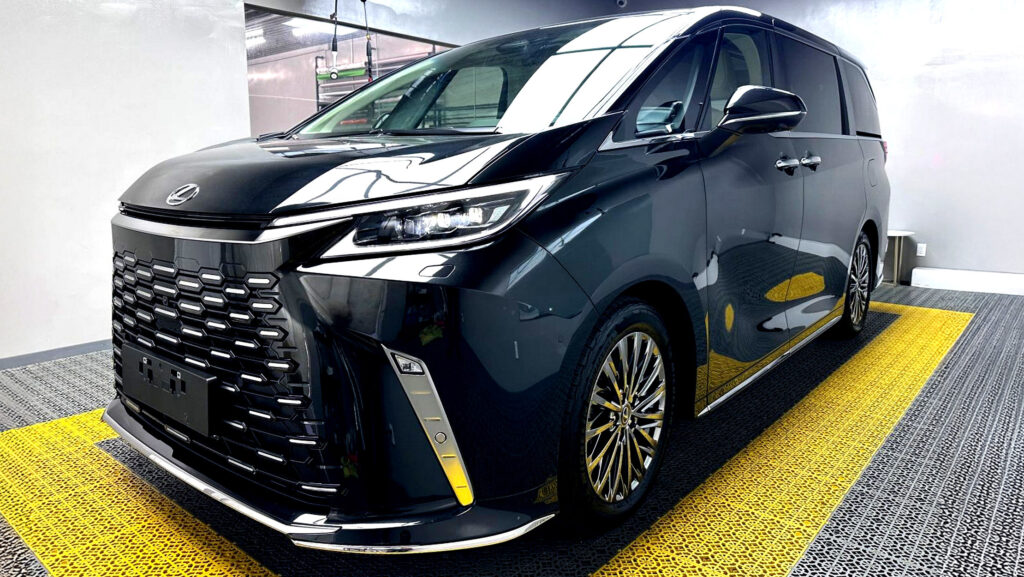
Minivans have long not been considered a stylish choice for most Americans, even though they are often a more practical solution for a large family than a massive SUV. However, the Lexus LM is the type of van that definitely will not go unnoticed on American roads.
This vehicle, based on the Japanese Toyota Alphard, is considered one of the most luxurious in its class. However, it was never certified for sale in North America. Therefore, the appearance of two such cars in California with a price starting at $258,000 raises many questions.
Technical Features and Legal Doubts
Both found examples have a hybrid powertrain with approximately 250 horsepower. This figure is similar to the capabilities of the Toyota Sienna, but as far as is known, this is almost the only significant detail the LM shares with another minivan. It is precisely this that places the car in a legally ambiguous position in the US.
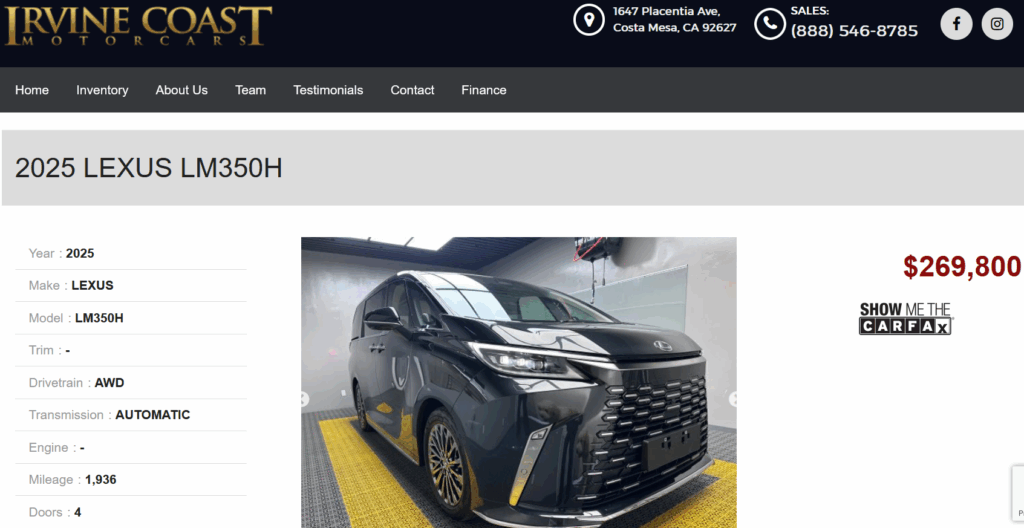
Neither Lexus nor Toyota ever certified the LM for sale in the States. Therefore, these two examples, listed for sale by Irvine Coast Motors, must have special documents just to be in the country, let alone be registered for use on public roads.
Most surprisingly, these are not old imports brought in under the 25-year rule. Both cars are 2025 models with minimal mileage. One, priced at $269,800, has only 1,936 miles on the odometer. The other, at $258,888, has traveled only 8,709 miles.
The Mysterious History of One of the Cars
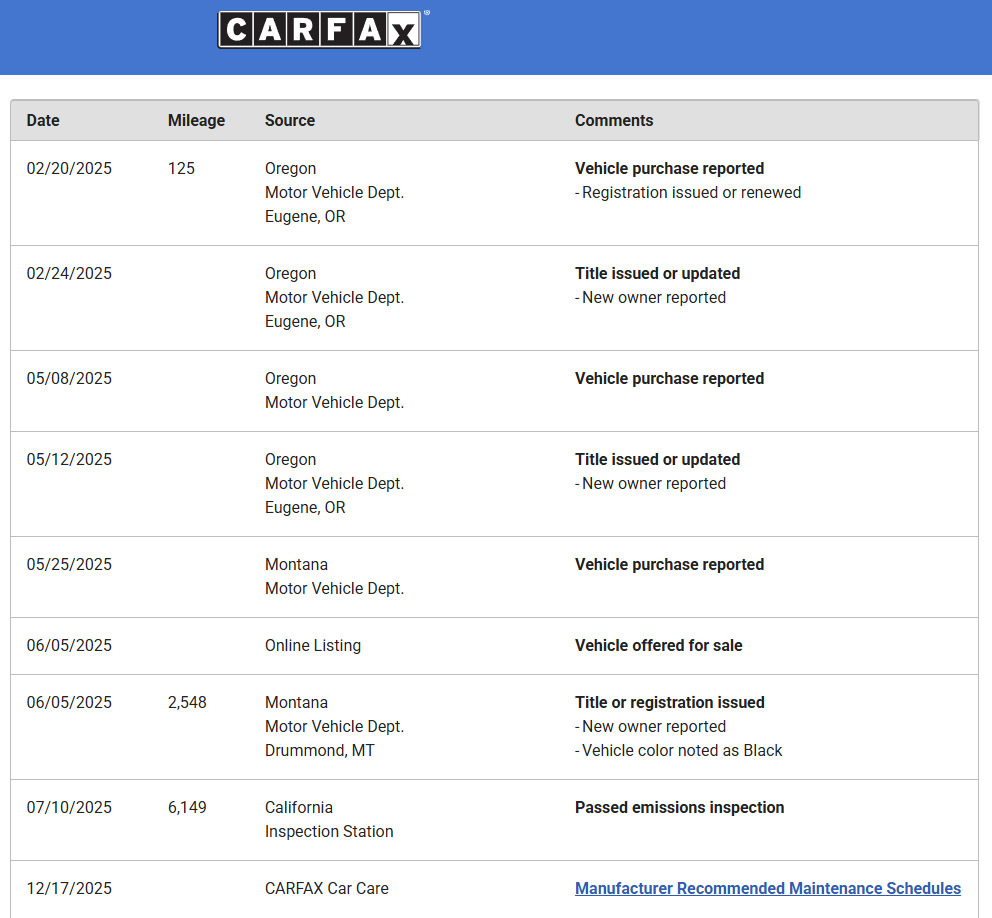
Adding even more mystery is the fact that the example with lower mileage has a clean Carfax history. According to these records, it was first registered in Eugene, Oregon, in February of this year, when the odometer showed only 125 miles. In May, the title transferred to someone in Montana, and in June, the car was listed for sale. In July, it even allegedly passed a California emissions test.
Do Legal Import Paths Exist?
Cars younger than 25 years must meet strict federal safety and environmental standards to be legally imported and registered in the US. Possessing a state certificate of title or license plate does not necessarily mean the car complies with federal regulations.
This discrepancy has already been a trap for buyers. Federal agencies such as NHTSA, Customs and Border Protection, and the Environmental Protection Agency have the authority to seize and even destroy non-compliant vehicles, sometimes years after purchase. The risk does not disappear just because a car initially slipped through a crack in the system.
This does not mean these Lexus LMs are automatically illegal. Legal procedures exist, involving registered importers, crash tests, and emissions certification. But these processes are complex and incredibly expensive. Without transparency from the seller, buyers are essentially risking hundreds of thousands of dollars, hoping everything was done by the book.
As far as is known, there are only three viable paths for legally importing such a modern car into the country. First, full federalization by a registered importer, including crash testing and certification, which can easily cost a seven-figure sum. Second, the “Show or Display” exemption, which allows driving up to 2,500 miles per year but applies only to historically significant or exceptionally rare cars. Third, limited approval if the vehicle is substantially similar to an already federalized model — a test the LM likely would not pass.
Open Questions and Manufacturer Response
Representatives of Lexus and Toyota USA confirmed they have no information about these specific cars and never imported the LM into the States. They also expressed genuine interest in how these minivans ended up here. An inquiry to the dealership Irvine Coast Motorcars for clarification has so far gone unanswered.
It is hoped that future buyers will thoroughly check all documents before signing a contract. An illegal status could turn these rare minivans into expensive driveway ornaments or even lead to their destruction.
The appearance of such cars indicates the existence of complex import schemes that bypass standard procedures. This raises questions not only about the legality of specific examples but also about the effectiveness of vehicle import control in general. Potential buyers of exclusive but uncertified-for-the-market models must be aware that even a clean Carfax history and successful registration in individual states do not guarantee complete safety from federal agency intervention in the future. This situation also demonstrates how high demand can be for unique cars, even if official distributors are unwilling or unable to satisfy it.