


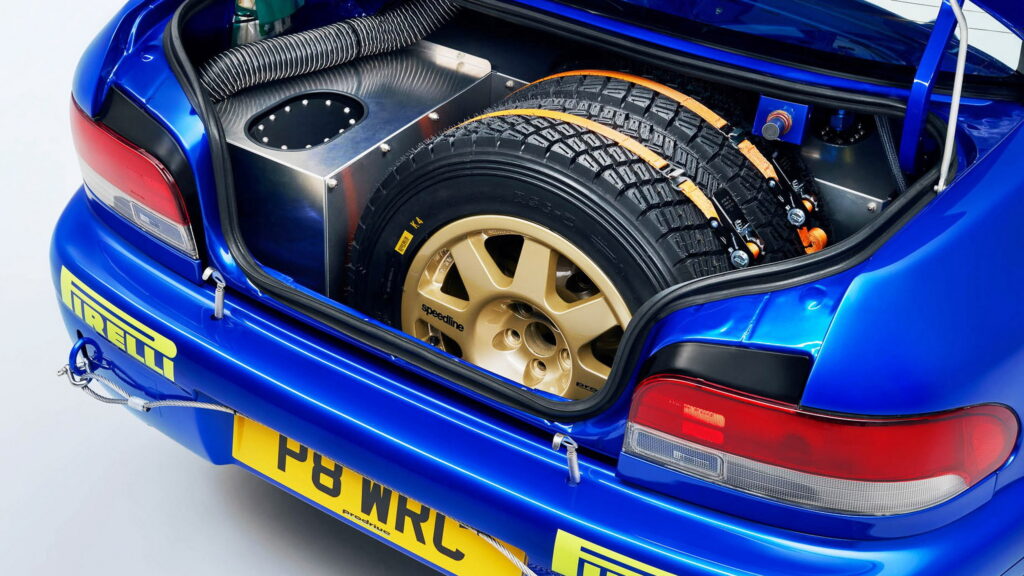
Legendary design born from a mistake
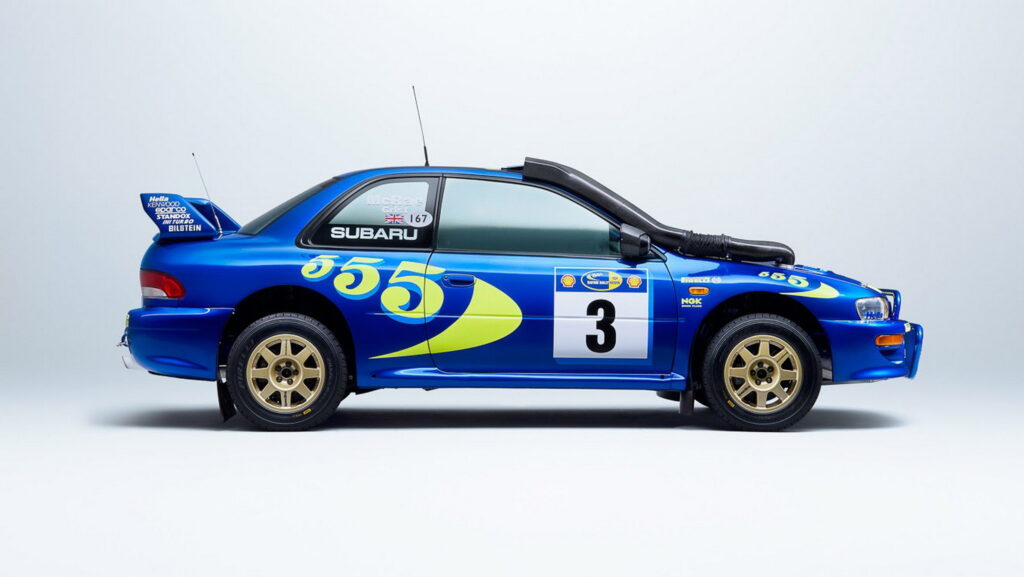
The combination of a blue body and gold wheels is one of the most famous images in motorsport history, forever etched in the hearts of fans thanks to Subaru’s successes. However, it turns out this aesthetic was cemented not only through marketing but also due to a manufacturing mix-up.
The role of David Richards
Prodrive chairman David Richards played a key role in turning Subaru into a motorsport legend. The collaboration between the British engineering company and the Japanese automaker lasted 20 seasons in the WRC, bringing 46 wins, three consecutive Manufacturers’ titles (1995, 1996, 1997), and three Drivers’ titles (1995, 2001, 2003).
Recently, Richards was a guest on the podcast The Intercooler, where he shared memories of his decades in motorsport management and told behind-the-scenes stories. The most intriguing part was his confession about the gold wheels, which, as it turned out, appeared completely by accident.

The story of the mistake in Monte Carlo
The Prodrive chairman recounted:
“…and of course, the gold wheels, everyone remembers the gold wheels. We arrived at the first WRC rally in 1997 in Monte Carlo… we arrived there with a new car, and the wheel manufacturer was Speedline, I think from Italy, and they sent the wheels. They were supposed to be anthracite gray. Peter Stevens, the car’s designer, was stunned when he found out Speedline had sent the wrong color, and they were all gold. So we looked at the car and said, ‘Oh God.’ We needed to do a few things on the starting ramp, and everything else was gold. So we won the event with Piero Liatti, and I went to the president of Subaru and said, ‘Listen, I really thank you for all the applause we received, but I really have to apologize for the wheels, we sent them back to be painted gray.’ He said, ‘No, no, no, we’ve already done all the advertising, you must keep the gold wheels from now on.’ And that’s how the gold wheels came about. It wasn’t intended; it was, to put it mildly, a complete screw-up.”
Success and legacy
The Subaru Impreza WRC97 won eight out of 14 rallies during the 1997 season, easily securing the Japanese brand the manufacturers’ championship. WRC fans also remember that Colin McRae in his Subaru missed the drivers’ title by just one point to Tommi Mäkinen’s Mitsubishi that season.
Previous tobacco sponsorship
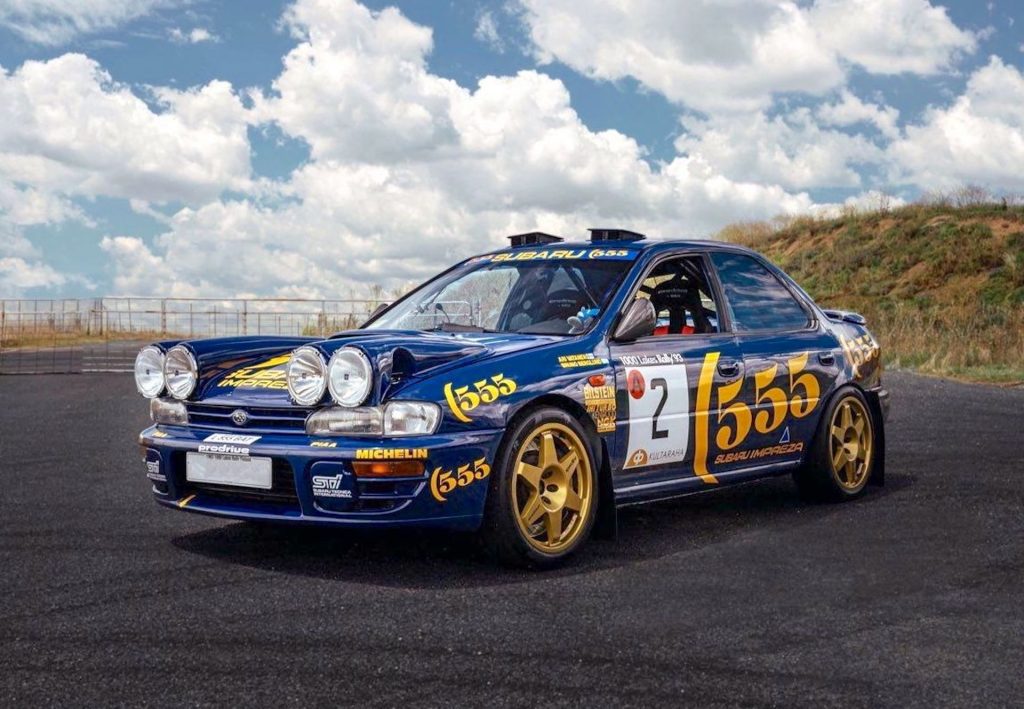

Although the gold wheels on the 1997 Subaru rally car were originally intended to be anthracite gray, the color itself was not unfamiliar to the brand’s history. The original 1994 Subaru Impreza WRX STI road car already had gold wheels, as did the previous 1993 Subaru Legacy RS. They were directly inspired by the title sponsor of the Group A rally cars — the tobacco brand State Express 555, matching the yellow and blue theme of their cigarette packs.
However, when new WRC rules were applied in 1997, designer Peter Stevens wanted to modernize the look of the new wide-bodied car with different wheels. If it weren’t for the legendary shipping error at the Speedline factory in Monte Carlo, the iconic blue and gold combination might have disappeared from Subaru’s history forever.
This story is a perfect example of how chance can shape an entire era in motorsport. Despite the initial disappointment caused by the mistake, it led to the creation of one of the most recognizable images in automotive history. Today, the blue body with gold wheels is synonymous with Subaru and its rally heritage, and it’s hard to imagine this might never have happened if not for the Italian supplier’s oversight. It also serves as a reminder of how close collaboration between the team and management, as well as the ability to see opportunities where others see only problems, can create a true legend.