 by
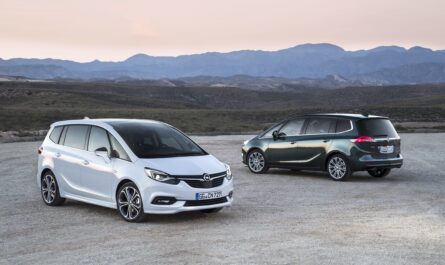
by Fuel prices continue to rise rapidly, crossing the mark of 4 dollars per gallon, while just a month ago they were below three. Some analysts do not rule out that the cost could reach 5-7 dollars before it starts to decline. This situation is forcing many drivers to seriously consider switching to electric vehicles or hybrids.
Record fuel prices
Against the backdrop of the launch of NASA’s first crewed lunar mission since 1972, fuel prices are also soaring into orbit. Due to the conflict in Iran, they have reached their highest level in the last four years.
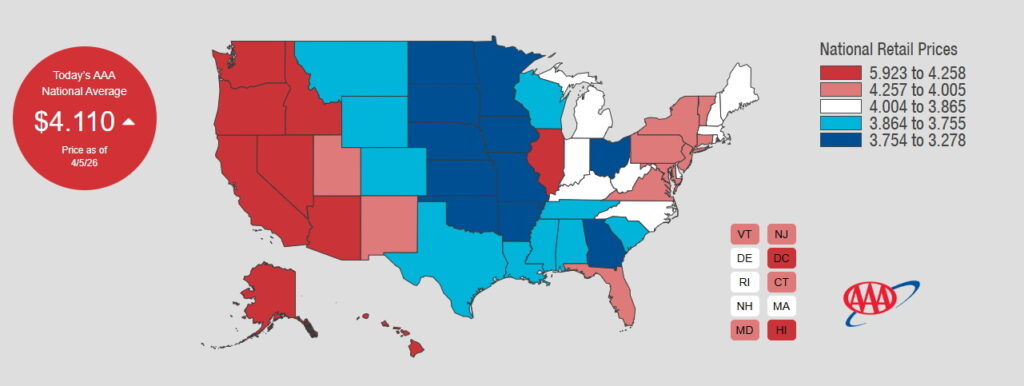
According to AAA, the average price of a gallon of gasoline in the US has jumped sharply to $4.110, compared to $2.997 just over a month ago. And this is only the national average for regular gasoline. If you fill up with diesel in California, you’ll have to pay about $8 per gallon.
Such a jump is forcing people to reconsider everything: from weekend trips to what kind of car is parked in front of their house. It’s no wonder that hybrids and electric vehicles suddenly look very attractive. When fuel gets more expensive, logic kicks in. You start thinking about fuel consumption, range, charging station networks, and whether that thirsty V8 was ever a good idea. The dream car silently changes to something smart, economical, and probably a little less fun.
A world with free fuel
But let’s imagine a completely different world where fuel is absolutely free. Not discounted, not subsidized, but free forever. No guilt, no budget. Just pure, unlimited automotive freedom.
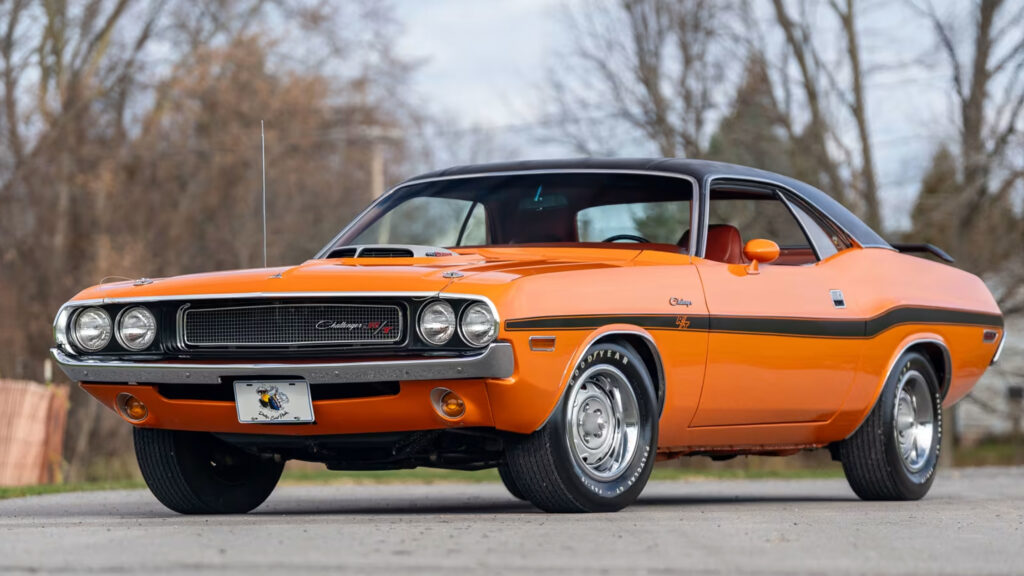
Suddenly your daily driver doesn’t have to be practical. Perhaps you would choose something big and loud, like the 1043-horsepower Hennessey Ford F-150 Raptor R, or that old SUV with a V10 engine you’ve always dreamed of, but its appetite of 9 miles per gallon stopped you. Or maybe you would drive a used supercar or a classic Detroit muscle car like a Dodge Charger with a 7.2-liter engine every day.
The choice is yours
On the other hand, not everyone would rush to powerful cars. Some drivers might remain loyal to economical models, appreciating smart engineering. Perhaps even protest against wastefulness and harmful emissions in the most stylish way, by choosing a Volkswagen XL1. That’s the beauty of this little thought experiment. It removes the biggest compromise most of us make and leaves only desire.
The sharp rise in fuel prices demonstrates extremely clearly how much economic factors influence our automotive preferences and everyday decisions. In conditions where the cost of fuel becomes a significant element of the family budget, the issue of efficiency comes to the fore, temporarily pushing aside aspects such as power, design, or prestige. However, the hypothetical situation of free fuel reveals a deeper, more emotional layer of attitude towards the car. It allows separating utilitarian necessity from personal aspirations, showing that for many, the car remains not just a means of transportation, but an object of passion, a symbol of freedom, or a way of self-expression. This dilemma between reason and feeling, between economic expediency and the pure joy of driving, is eternal, but external circumstances such as the energy crisis make it particularly acute and relevant for millions of people around the world.