


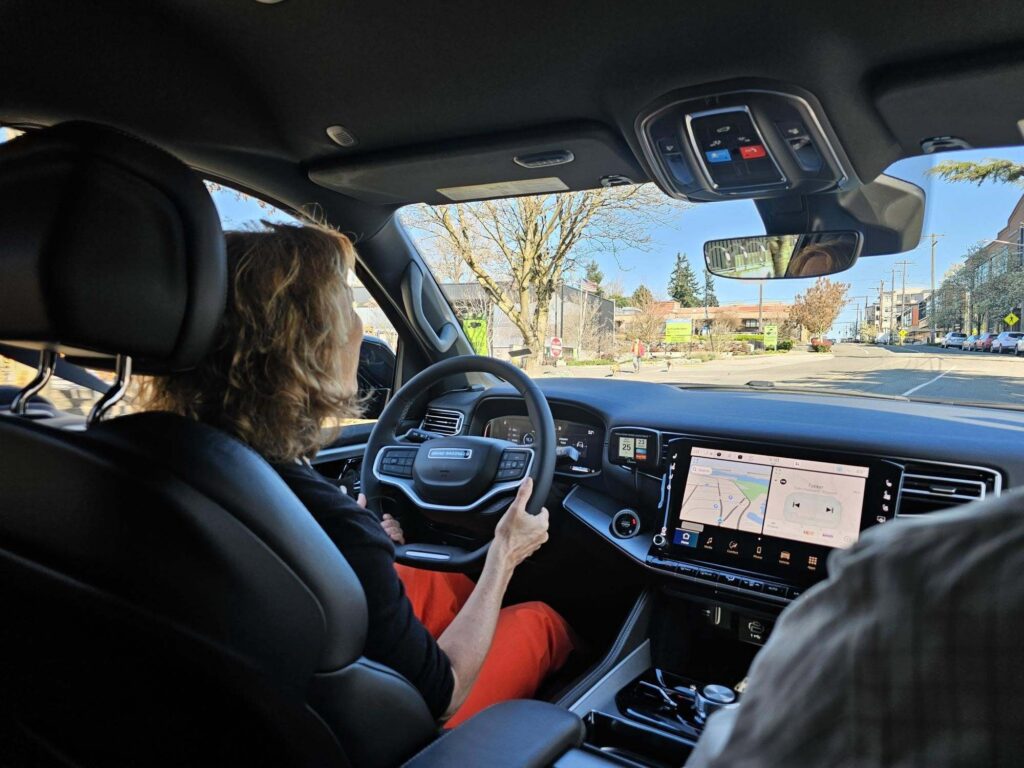
In Virginia, a new option has emerged for drivers caught speeding or driving dangerously to avoid license suspension. Starting July 1, judges can require some offenders to install an Intelligent Speed Assistance (ISA) system, which uses GPS data and speed limit information to prevent further acceleration once the permitted limit is reached. Virginia has become the first state in the country to launch a statewide court-ordered ISA program, potentially serving as a model for similar initiatives elsewhere.
Previous attempts and Virginia’s uniqueness
Earlier reports highlighted efforts to make this technology more widespread in the U.S. Virginia is notable for being the first state to actually pass and implement the relevant law. Washington, D.C., passed a similar law in 2024 and launched its program last year. Washington State also passed an analogous law, but it will not take effect until 2029. Maryland is also working on its own launch. What makes Virginia unique is the scale and implementation. According to officials involved in the program, Virginia is the first state to fully implement a statewide court-ordered ISA program that judges can begin using immediately.
How the technology works
The technology, primarily provided by the company LifeSaver, does not lock the brakes or turn off the car. Instead, it functions as a dynamic speed limiter that prevents further acceleration when the vehicle reaches the posted speed limit.
“It prevents further acceleration when the vehicle reaches the local speed limit,” said Michael Traverse, President of LifeSafer ISA, to 13 News.
Drivers convicted of serious speeding, including those caught driving over 100 mph (161 km/h), may be required to participate in the program instead of facing traditional license suspension.
Support and criticism
Supporters argue that the technology can save lives by targeting a relatively small group of chronic speeders who cause a disproportionately large share of dangerous accidents. Critics, on the other hand, see this as another step toward greater electronic control over vehicles and driver behavior.
Future prospects
Notably, Washington, D.C., has not released any data on the technology’s effectiveness since its implementation. Regardless, Virginia now serves as the largest testing ground in the country. If the program proves successful, do not be surprised if more states decide that speed limiters have a place in courtrooms alongside fines, points, and license suspensions.
The implementation of this program in Virginia is a significant step in using technology to enhance road safety. While it targets the most egregious offenders, it also raises questions about the balance between public safety and personal freedom. The lack of data from Washington, D.C., leaves open questions about the real effectiveness of such an approach, but Virginia will undoubtedly become a key example for other states considering similar measures. If the results are positive, this could lead to a significant expansion of court-ordered speed limiters across the country, changing the approach to penalties for dangerous driving.