 by
by Stellantis Employees Receive Warnings for Parking Non-Branded Cars
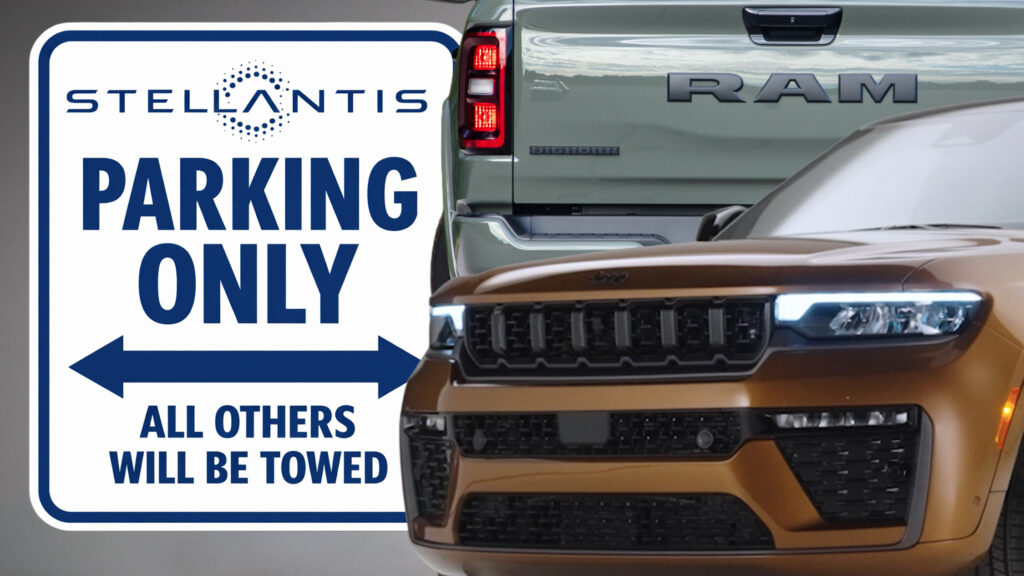
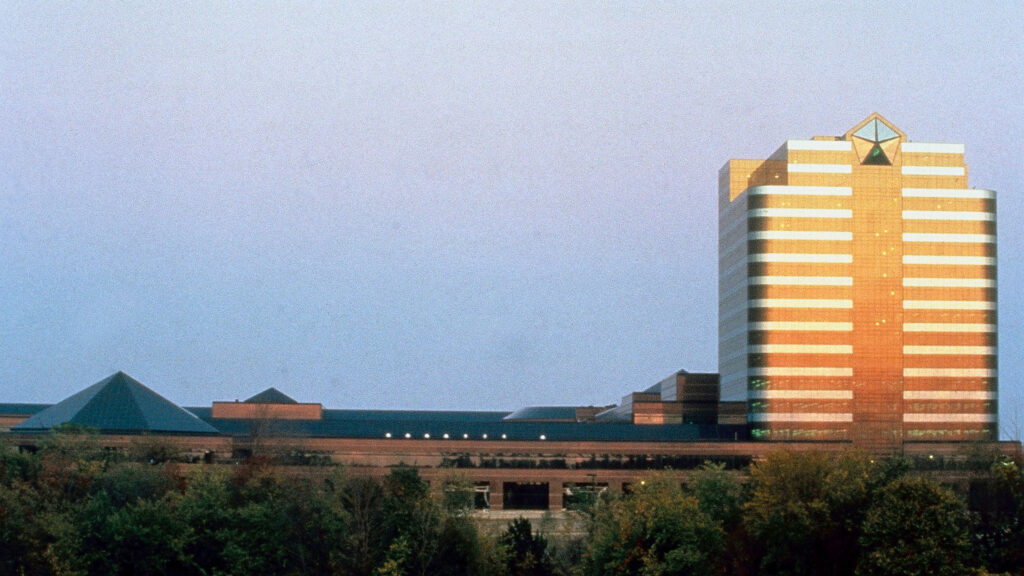
Arriving for work at an automotive company in a “foreign” car can be awkward. However, at the Stellantis headquarters, it might also lead to an official warning on your windshield, and in the worst case, a long walk in the rain to your car.
Employees who returned to the offices after the cancellation of remote work discovered that not all parking spots are created equal. If you drive a Jeep, Dodge, or a new Ram 1500 Rebel X – everything is fine. But if you arrive in a car of another brand, a warning might be waiting for you on the windshield. Some employees have already shared such situations online after receiving “fines” for parking in prohibited zones.
Warning System and Possible Consequences
According to the Wall Street Journal, it’s not a monetary fine for now, but for those who regularly violate the rule, there is a risk that their car will be immobilized with a special device – a parking boot. This will happen if warnings accumulate. In such a case, to remove the immobilization, the employee will have to contact management.
The policy reflects a long-standing Detroit tradition, which extends not only to Stellantis but also to competitors like Ford.
General Motors also has its own parking rules, which don’t always work flawlessly. Several years ago, for example, a Tesla Model 3 mistakenly received a fine as a “foreign” car on GM property, despite being one of the most American-made cars on the market.
Tradition of Loyalty and Business Logic
Automakers have always wanted their employees to support the “home team,” and priority parking was one way to encourage such loyalty. It’s a small perk that can mean a lot when the alternative is a long walk across a vast parking lot. The Stellantis headquarters territory is indeed massive: thousands of employees compete for spots on numerous lots and multi-level parking structures around the campus.
As one former manager told the WSJ, there is a strong incentive to park as close as possible, especially when the weather turns bad. No one wants a 20-minute walk to the office even before their morning coffee.
Controversial Situations and Curiosities
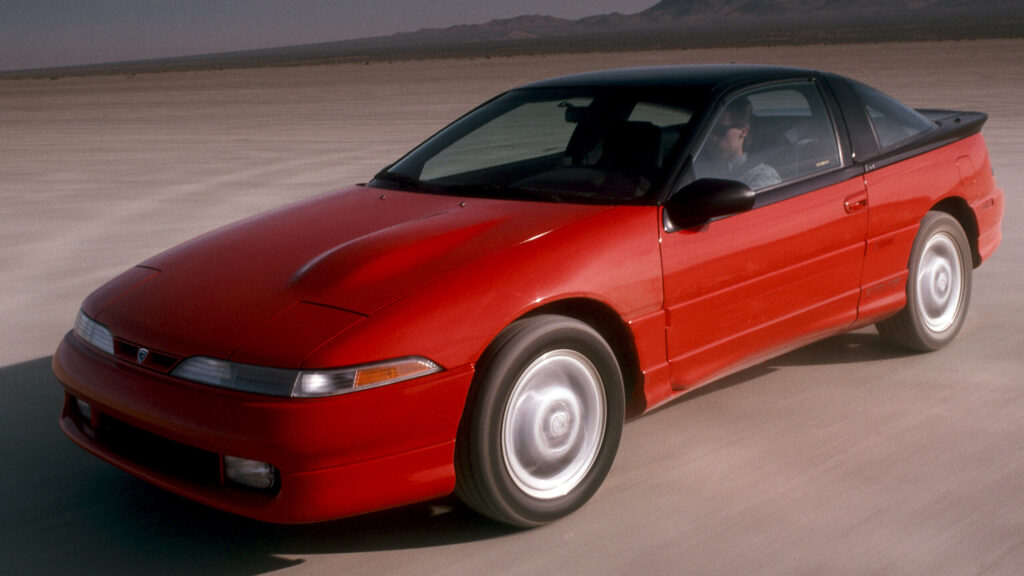
However, the rules can sometimes be ambiguous and even confusing for those enforcing them. It is reported that one employee was marked for parking an Eagle Talon (pictured above), which technically traces its roots to Chrysler, part of Stellantis. But that didn’t stop security from questioning its “brand affiliation.”
There’s room for humor in this story too. One worker who tried to park in an almost empty lot still received a warning, suggesting that the rules are sometimes enforced just to create a sense of discomfort.
Is Such a Policy Fair?
For now, the measures are mostly limited to warnings. But the message is clear: if you manufacture cars, you are expected to drive them too. The question arises: how fair is it to punish employees for spending their own money on competitors’ products?
Such corporate rules, on one hand, are a logical extension of the corporate culture and marketing policy of auto giants. They create an additional incentive for the internal market and demonstrate public brand loyalty. On the other hand, in the modern world, where car choice is often determined by personal preferences, family needs, or economic factors, strict restrictions can cause internal resistance and be perceived as excessive control over employees’ private lives. The balance between corporate spirit and personal freedom remains a delicate issue for large industrial companies, especially in traditional automotive centers like Detroit.