 by
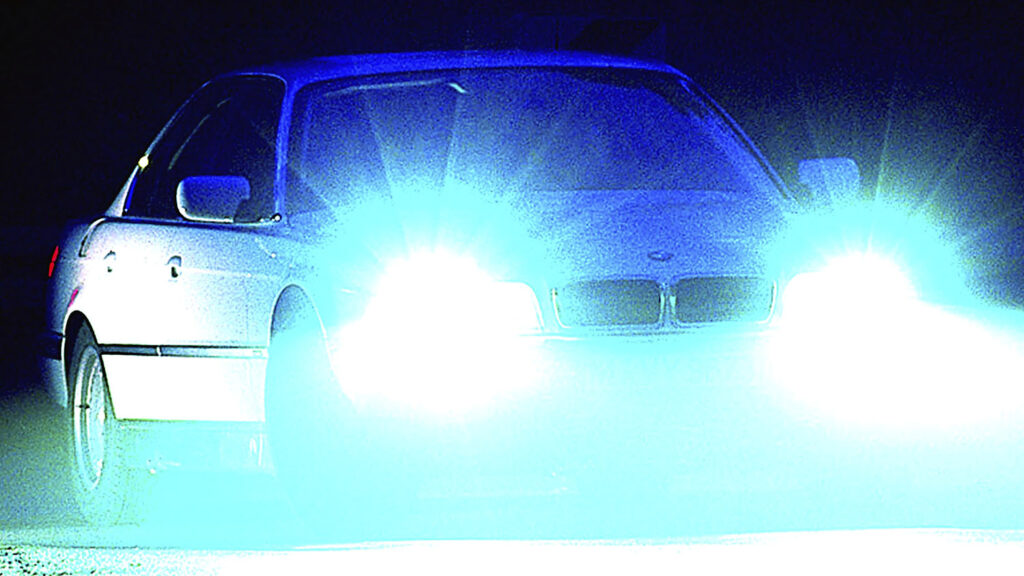
by Most drivers who operate a vehicle at night have noticed a significant change on the roads. Headlights have become brighter than ever. New data confirms this experience. According to AAA, six out of ten drivers report that headlight glare creates a problem on the roads. However, this glare does not appear to lead to more accidents than in the past.
Reasons for Increased Glare
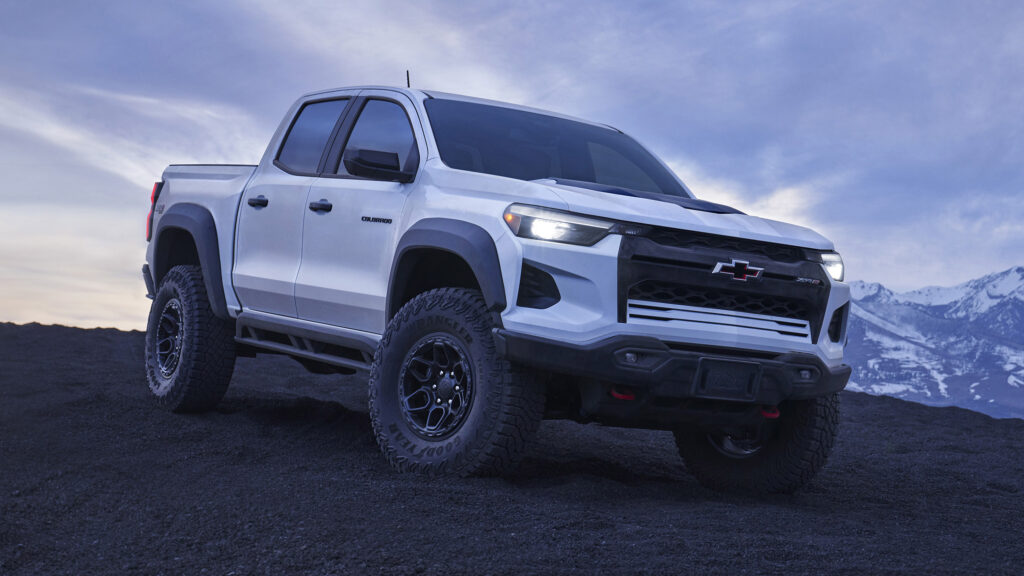
As reported by AAA, the problem is likely related to changes in vehicle design and lighting technology. LED and HID headlights are now common in the automotive industry, and newer vehicles, especially SUVs and pickups, typically have a higher ground clearance, which can direct their beam straight into the eyes of oncoming drivers. This is not surprising, given the trend toward larger cars, crossovers, and trucks over the past decades.
“Headlight glare has become a major source of frustration and concern for millions of drivers. As automotive lighting technology evolves, so too must our understanding of glare, its impact, and the steps drivers can take to maintain safety,” said Greg Brannon, AAA’s director of automotive engineering and research.
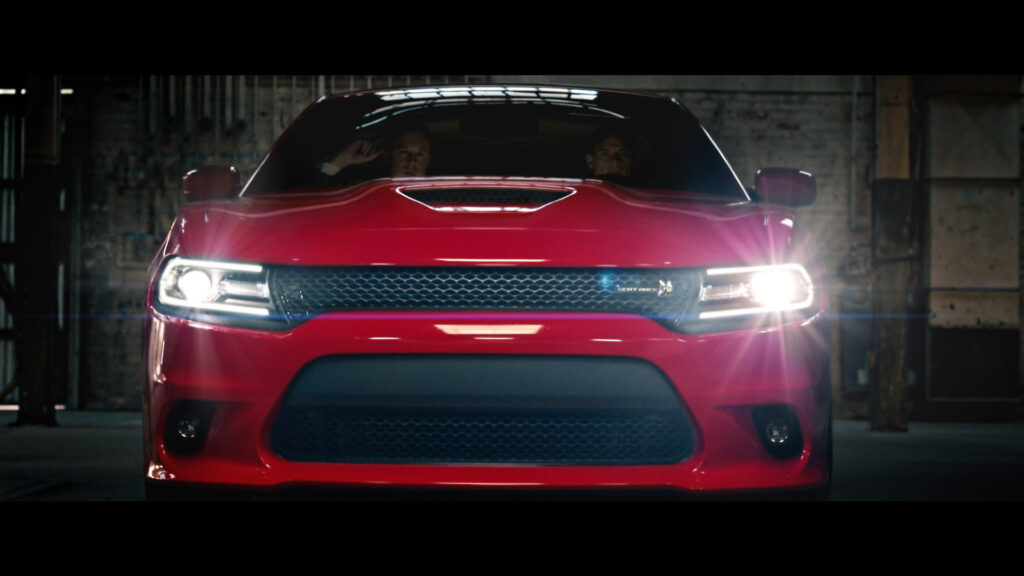
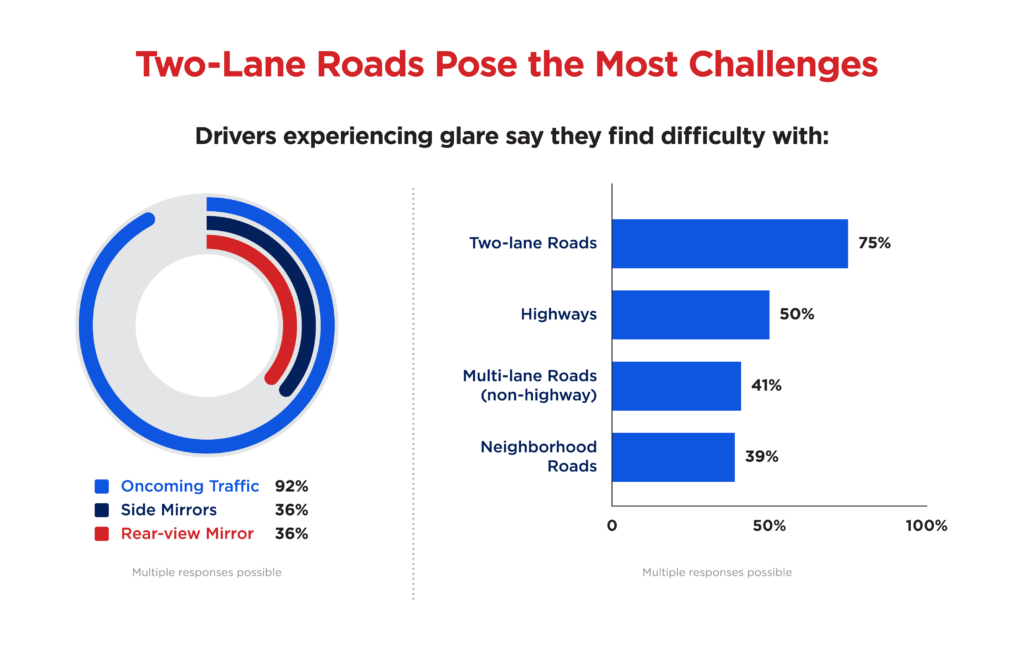
The survey showed that 92% of drivers who notice glare consider oncoming vehicle headlights to be the main problem. About a third also report being bothered by light reflected in rearview mirrors. Drivers who wear glasses reported more problems with glare than those who do not, and women were more likely than men to say that glare affects them. Interestingly, pickup truck drivers complained less about glare, which may be related to their higher seating position.
Unexpected Safety Implications
One might expect that such brighter headlights pose a greater safety risk. However, they seem to potentially have an overall positive effect. AAA points out that headlights are now so bright and effective for those behind the wheel (and also thanks to technologies in modern cars) that automatic emergency braking likely works better precisely because of this. Undoubtedly, visibility for the drivers themselves has also improved.
Furthermore, an IIHS study published last year showed that headlight glare is mentioned in only one or two out of every thousand accidents that occur at night, and this rate has not increased, even though headlights have become brighter. In fact, the organization states that insufficient visibility contributes to a much larger number of accidents than excessive brightness.
“While it can certainly be annoying, headlight glare contributes to far fewer accidents than insufficient visibility,” said IIHS President David Harkey.
All this makes one wonder when modern cars will receive adaptive beam technology that allows them to illuminate only what is ahead and eliminate glare towards other vehicles on the fly and in real time. Hopefully, that day will come as soon as possible.
The paradox of the situation is that the technological progress intended to enhance safety simultaneously creates new challenges for comfort. The height and lighting power of modern SUVs and pickups, which dominate the roads, have effectively turned part of the vehicle from a safety element into a source of discomfort for other road users. This points to the need for more nuanced regulatory approaches and further refinement of intelligent systems capable of dynamically adapting not only to road conditions but also to the presence of other vehicles. The future of night driving will likely depend on the balance between individual visibility and collective comfort on the road.