


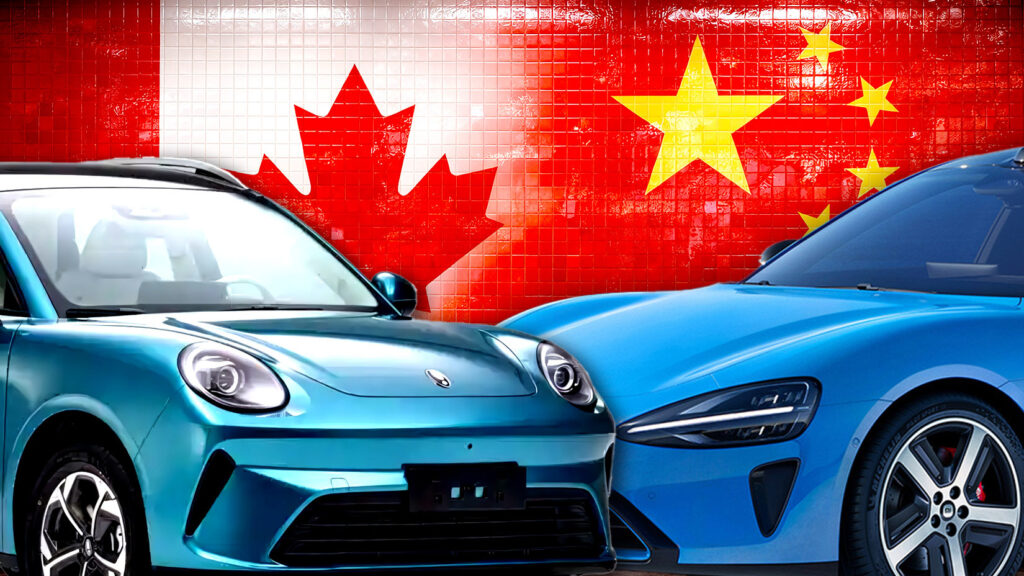
New Trade Deal
The new trade deal opens the door for the official return of electric cars from China to the Canadian market. In return, the People’s Republic of China is easing tariffs on Canadian agricultural exports, particularly canola. Your future electric vehicle could be a byproduct of so-called “salad oil diplomacy.”
Market Impact
Cheap, tech-laden, and rapidly improving Chinese electric vehicles are frightening North American automakers while attracting savvy buyers, even though they haven’t yet had a chance to appear en masse, being restrained by high tariffs and political caution.
This new deal changes the situation. Canada gains access to more affordable EV options as the duty rate drops from 100 percent to 6.1 percent. The initial annual import quota is set at 49,000 vehicles, representing about a third of the market, but it could grow to 70,000 annually after five years. Importantly, about half of that volume is expected to cost less than 35 thousand Canadian dollars.
Compact Contenders and Budget Options
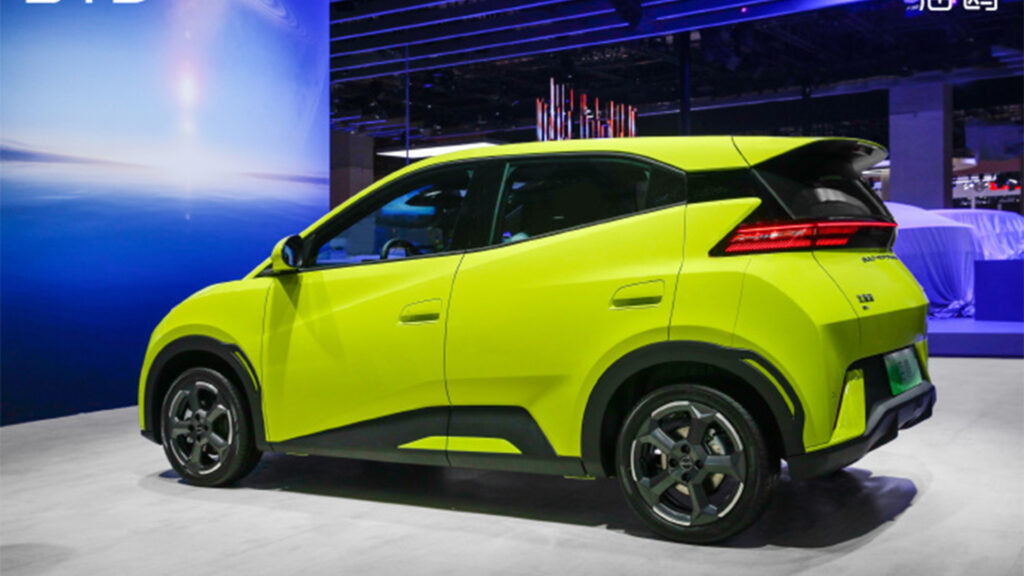

But what exactly will be available to buy? If price is the deciding factor, the tiny BYD Seagull, sold in some markets as the Dolphin Surf, could be the perfect city car. Sure, it looks roughly like a suitcase with headlights, and Canadian winters aren’t very friendly to mini-cars. However, if the goal is to get more people into affordable electric vehicles, this little hatchback and its bigger brother, the Dolphin, could be game-changers for city dwellers.
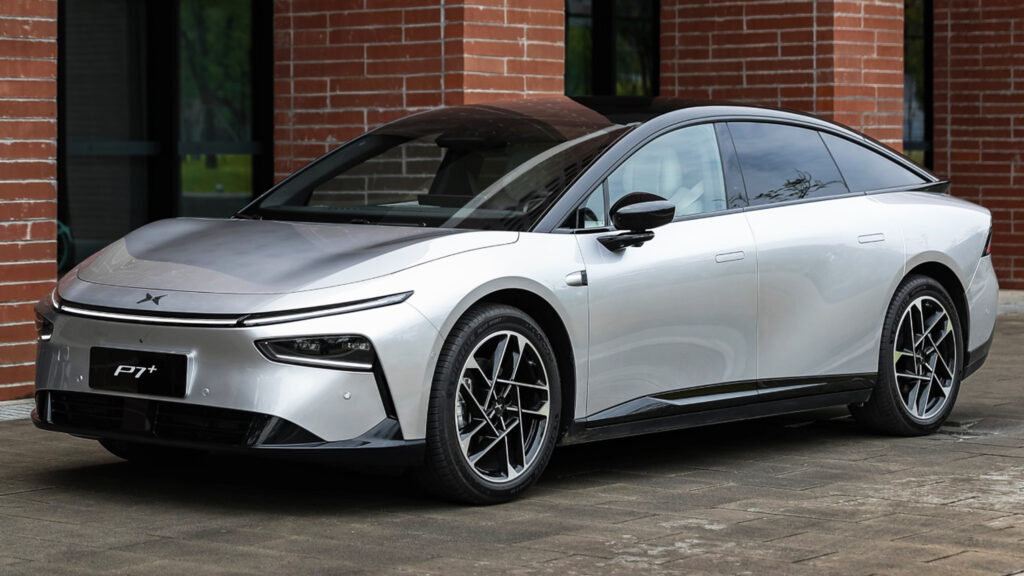

Sedan fans looking for style will be hoping the Xpeng P7+ gets a market invitation. But if you’re willing to stretch beyond the 35-thousand budget, you’ll probably be rooting for the Xiaomi SU7 sedan and the YU7 SUV.
It’s these cars that are making traditional brands nervous and car enthusiasts curious. Ford CEO Jim Farley drove a specially imported SU7 for him and his team daily in 2024 and described it as “fantastic,” telling an interviewer: “I don’t want to give it up.”
Another possibility? Western brands that already produce models exclusively for China, such as the Mazda EZ-6 sedan, which costs around $20,000 in China, the Toyota bZ7 sedan, or the Nissan NX8 crossover. If the import gates open wide enough, they could also make it to the market.
Open Questions
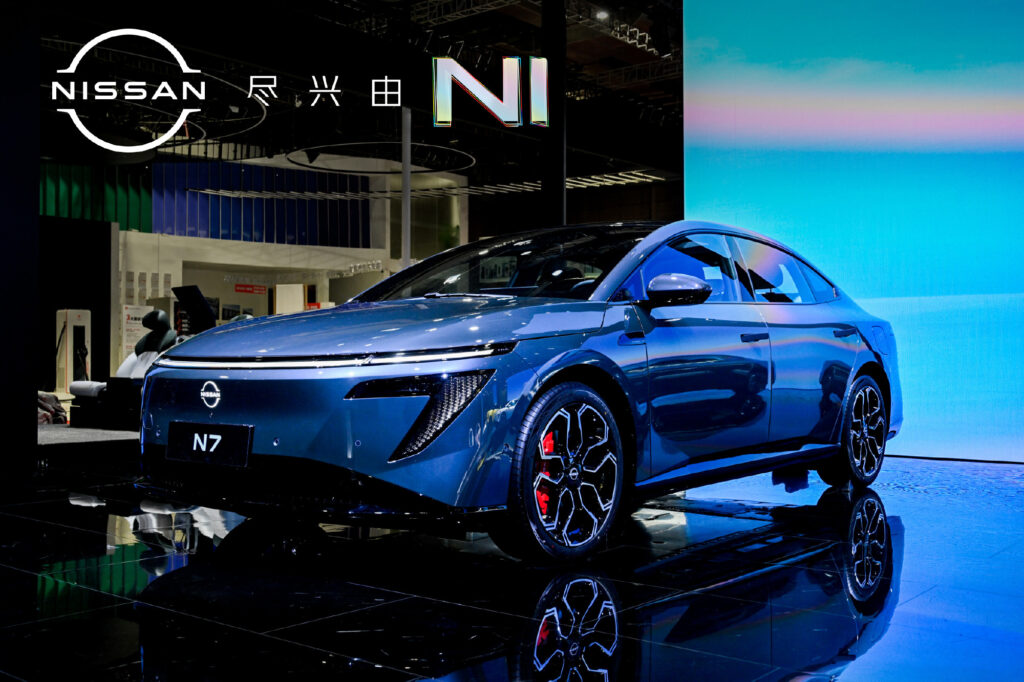

Of course, questions will remain about service networks, long-term reliability, and how these brands will fit into the Canadian market. But from a car enthusiast’s perspective, the very idea of sudden access to a whole new wave of electric vehicles is quite exciting.
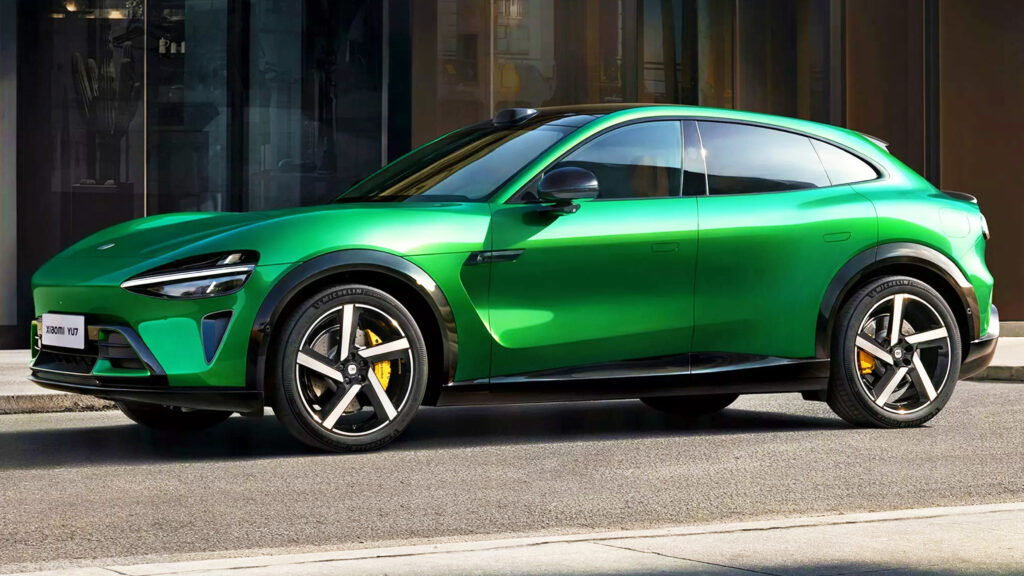
So, Canadians, if these cars start appearing in showrooms, which one would you sign up for? And if you’re reading this from another country, imagine. If you lived in Canada, which Chinese electric vehicle would be parked outside your house?
This deal could be a catalyst for a significant realignment of power in the North American automotive market. Lower EV prices through competition could accelerate their mass adoption, which is key to achieving climate goals. However, it also poses a serious challenge to local manufacturers, forcing them to innovate and respond more quickly to offerings that often outpace them in technology and cost. The success of Chinese brands will also depend on their ability to build trust through reliable service networks and adapt products to harsh Canadian operating conditions.