



2025 became a year of reassessment, as numerous automakers drastically changed their course. Although much attention was paid to the reallocation of resources from electric vehicles, some companies had to improve their fundamental foundations.
With this in mind, we ask our readers: which automaker improved the most in 2025? The question is quite open, but two candidates immediately come to mind.
Jeep Cherokee returns as a luxury hybrid with a corresponding price
Stellantis: A New Era After Tavares
Stellantis is an obvious choice, as they leave the era of Carlos Tavares behind. This is clearly visible in North America, where Jeep is finally getting the attention it so desperately needs.
Once the eternal ‘cash cow’, the off-road brand was wounded by a series of obvious miscalculations. Among them was a disastrous push into the premium segment and the cancellation of popular models like the Cherokee and Renegade. These mistakes help explain why U.S. sales fell from 923,291 units in 2019 to 587,725 units in 2024.
Fortunately, major changes are already in the works: Jeep introduced the updated Cherokee and a completely new Recon model. Although the latter will likely take a long time to find its market niche, they will be joined by updated versions of the Grand Cherokee and Grand Wagoneer. The company also announced plans to produce the updated Compass in America, after ‘abandoning’ Canada.
Furthermore, the brand is launching a series of new special editions. They may be successful or not, but at least they get people talking and maintain brand visibility.


The Rise of Ram and the Return of Dodge
It’s not only Jeep that benefits from the changes. Ram is transforming into a full-fledged brand with an expanded lineup. In addition to the new mid-size Dakota pickup, a full-size SUV will appear in 2028. It will be produced in Michigan and will offer both an internal combustion engine and a range-extender powertrain.
The model may be called the Ramcharger, and it is expected to borrow heavily from the Jeep Grand Wagoneer.
If that wasn’t enough, Ram and its dynamic CEO are listening to fans and making substantial changes. They brought back the 5.7-liter Hemi V8 engine, halted production of the fully electric pickup, and are preparing a series of exciting new products. The latest will debut on January 1st – so stay tuned.
Although there has been nothing to say about Chrysler for years, Dodge finally has a gasoline muscle car again. It costs much more than the previous Challenger, but fans can get a turbocharged 3.0-liter inline six-cylinder engine with 420 hp or 550 hp.
Nissan Corrects Course
Besides Stellantis, Nissan is also making some long-overdue changes. The company’s problems are well known, but they are making tough decisions to secure their future. Although closing plants is never pleasant, sometimes it’s necessary to face reality and align production capacity with demand.

Even more interesting is that the company is releasing a series of significantly improved products. This has been going on for several years, but the updated Armada is a real contender for success.
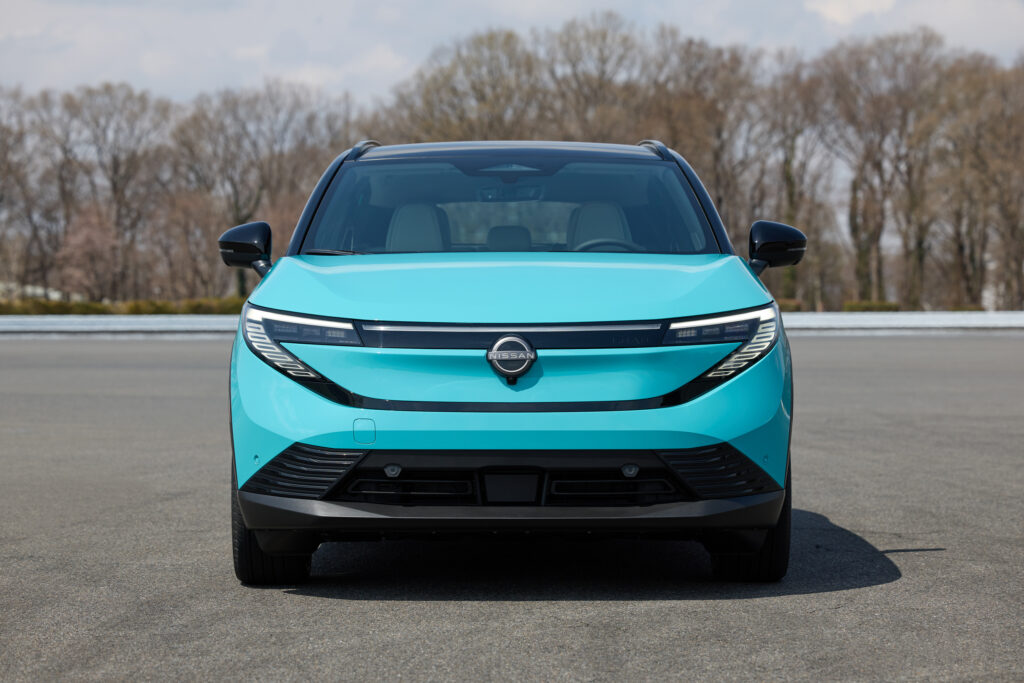
This year, the brand introduced the new Leaf and Sentra. Besides being a big step forward, these models show that the company hasn’t forgotten about affordability, which is becoming increasingly important for consumers.
Infiniti’s Awakening
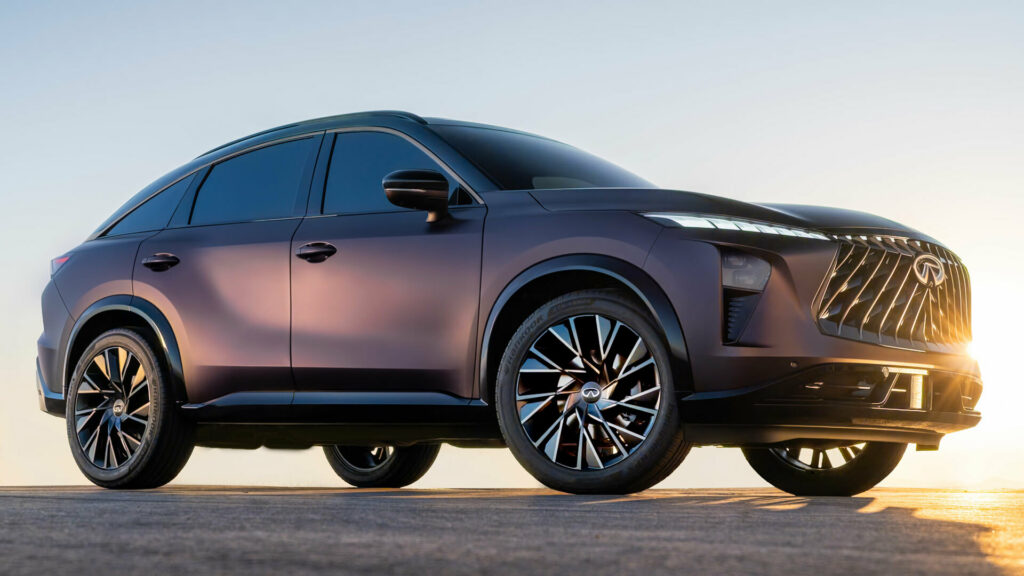
Infiniti is also showing signs of life after years of stagnation. Thanks to a redesign, QX80 sales increased by 34.3% in the first nine months of the year. We also got the updated QX60, while the new QX65 debuts next year.
Additional models are in development, although they can’t appear too soon, as the QX50 and QX55 are being discontinued.

Considering all of the above, which automaker do you think improved the most in 2025?
The year’s review shows that the auto industry is in a phase of deep transformation, caused not only by technological challenges but also by changes in consumer demand. The success of giants like Stellantis is based on flexibility and the ability to quickly respond to market signals, bringing back beloved models and technologies while adjusting ambitious electric plans. On the other hand, Nissan’s revival demonstrates that even companies experiencing a prolonged crisis can find a path to stabilization through a focus on product quality and affordability. The future seems to belong to those who can effectively balance traditional technologies that remain in demand with innovations, without losing touch with their audience.