


How car names have lost their meaning
Once upon a time, names were simple. If a car had the word “Turbo,” you could be sure there was a turbocharger somewhere on the engine. Today, Porsche uses this name to denote a trim level on models like the Taycan and Macan EV, which don’t even have a gasoline engine, let alone forced induction.
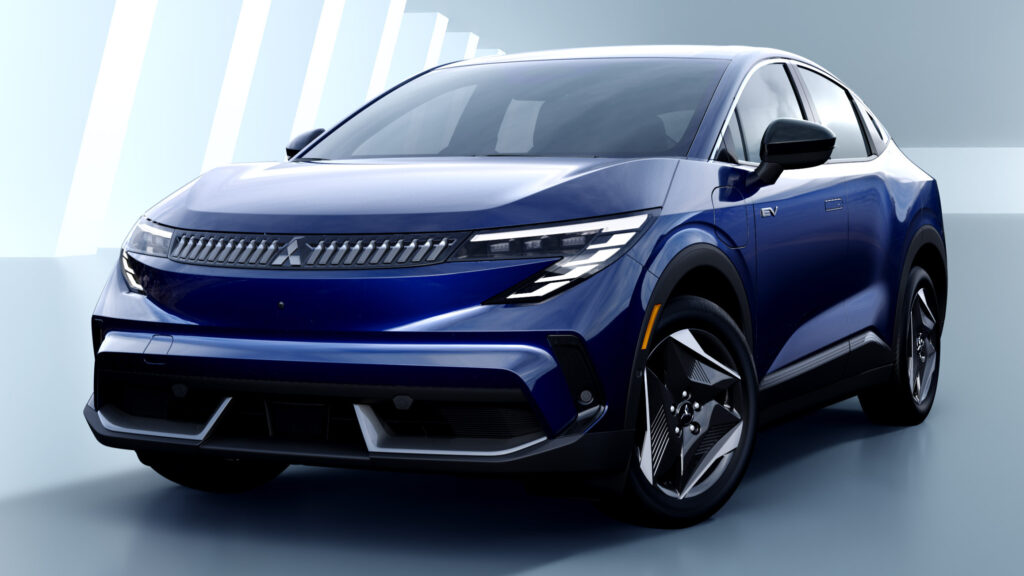
Some names go through a similar path. The new Mitsubishi Eclipse Sportback EV is a great example. What was once a truly great value in the sport compact car market is now nothing more than a rebadged electric crossover that has no connection to the original except the name. It makes us wonder: which car brand has lost its meaning the most?
The Mitsubishi Eclipse example
To elaborate on the Eclipse, just think about what the first two generations of this car offered. Buyers could get a turbocharged engine, all-wheel drive, a manual transmission, and styling that stood out from the sea of forgettable economy cars that filled dealerships in the 1990s.
It wasn’t just transportation. It was an affordable enthusiast car that helped define Mitsubishi’s image in America. Fast forward to today, and the Eclipse name has been stretched onto a crossover, and now onto an electric vehicle that has none of those traits. And this is not an isolated case.
Chevy Blazer and Dodge Hornet
Chevy did the same with the Blazer. For decades, that name meant a body-on-frame SUV, a truck-like vehicle you could confidently take on a dirt road. The modern Blazer is a unibody crossover, and now there’s also a Blazer EV with Ultium batteries. The same name, but none of the components that made it famous.
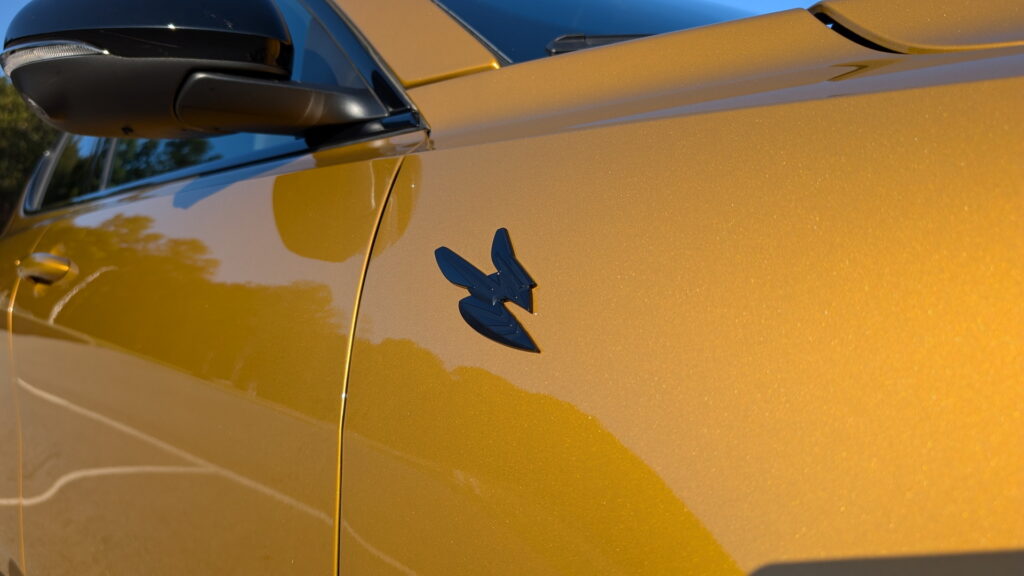

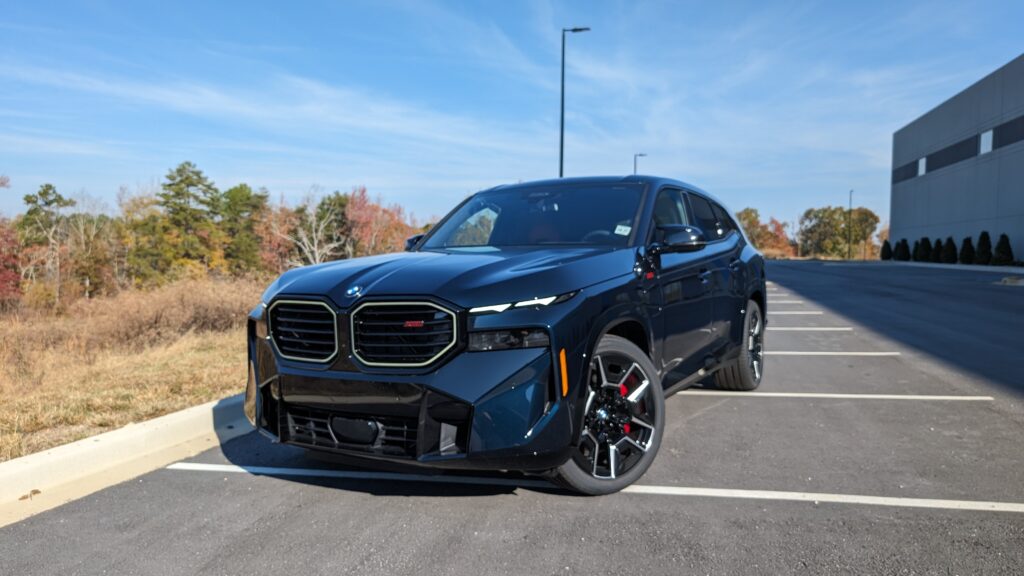
Dodge can be criticized for the Hornet name. This once was a performance-oriented AMC, and now it’s clearly not. The model’s rapid decline seems fitting in this light. As for trim names, BMW is probably the most egregious offender here. M once meant you got a unique engine and special performance tuning.
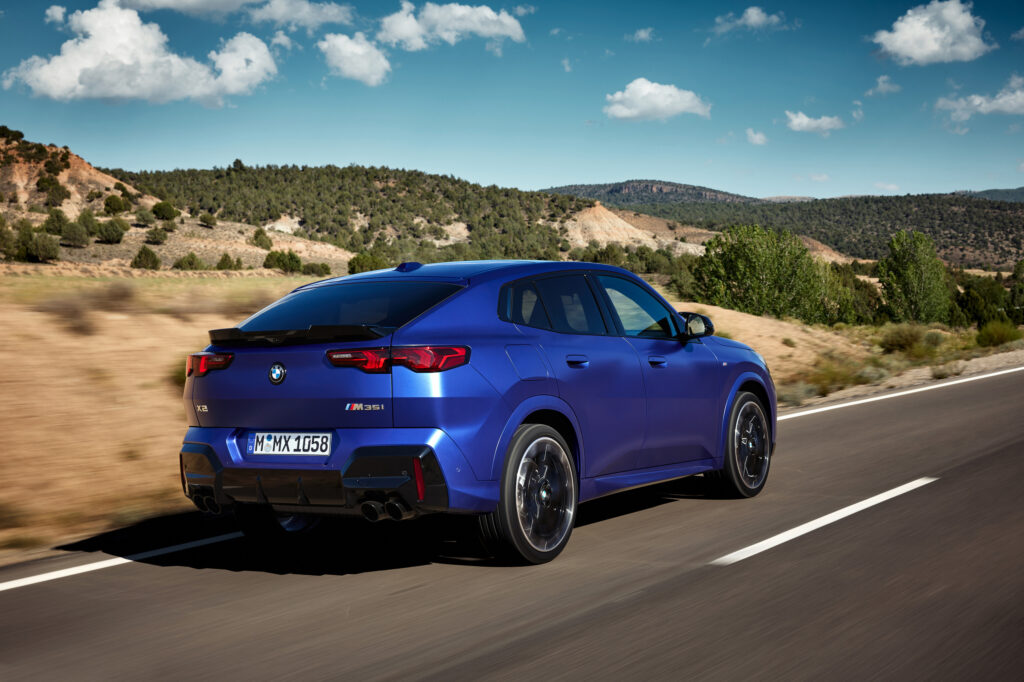

Now the brand is content to slap it on anything, adding the word Sport or Performance to somehow justify it. On the other hand, the true M cars are no longer the pinnacle. Above them you’ll find M Competition, M CS, and M CSL. Yes, within the single M lineup we have six different levels.
In the 1980s and 1990s, M meant one thing: the car was developed by BMW Motorsport. It was a hallmark of quality. Today, the M badge seems to say much less and gives way to the question: “Which exact M do you mean? Because M Sport, M Performance, and M CSL are not the same thing.”
GTI and other examples
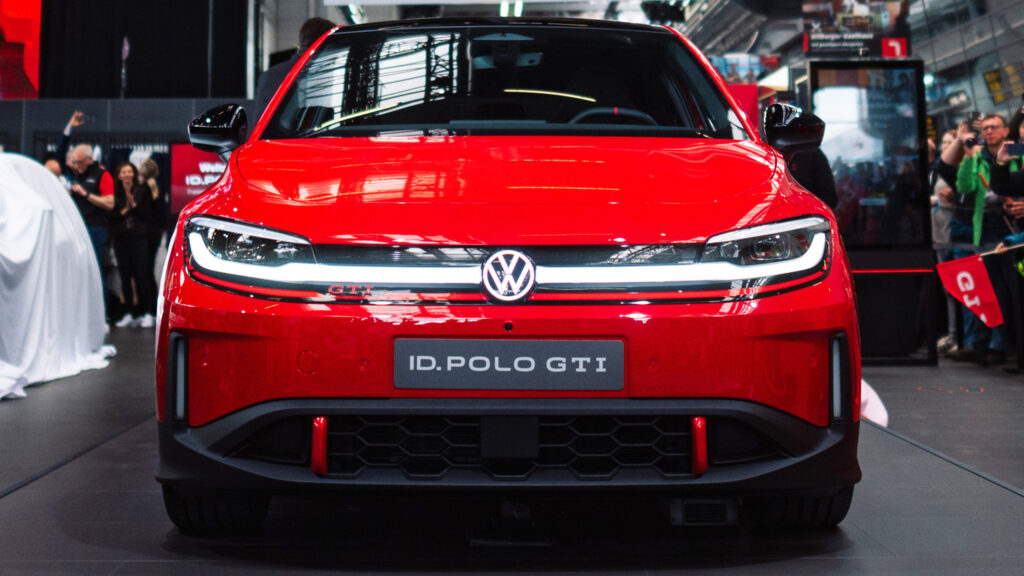
Then there’s GTI, and that’s where it gets complicated. The letters stand for Grand Touring Injection, meaning fuel injection, which made the original Golf GTI fast in 1976. For 50 years, this badge meant a cheap front-wheel-drive car that outperformed its specs. Now VW and Peugeot have stuck it on electric vehicles—the ID. Polo GTI and e-208 GTi respectively. To be fair, neither is a cynical cash grab given their performance. It’s just that there’s nothing left to inject.
Which, in your opinion, is the most diluted and meaningless car badge today? Let us know below.
This trend of diluting the meaning of names reflects a broader shift in the automotive industry, where marketing and brand recognition often outweigh heritage and technical essence. Manufacturers use historical names to evoke nostalgia and trust, even if the new product has nothing in common with the original. This can confuse buyers and devalue the brand’s history, but on the other hand, it allows companies to enter new markets using already well-known names. Whether this becomes the new norm, or consumers will eventually demand more authenticity, only time will tell.