



The Japanese automotive industry is showing an interesting trend: more and more cars are being imported into Japan from abroad, with the manufacturers of these cars being Japanese companies themselves. This trend reached a new record level last year, surpassing figures from almost thirty years ago.
Record Import Volume
The total volume of cars produced by Japanese companies at overseas plants and imported into Japan in 2025 amounted to 111,513 units. This is 19 percent more than the previous year and slightly above the previous record of 107,092 cars set back in 1995. Suzuki played a significant role in this jump.
Suzuki’s Rapid Growth
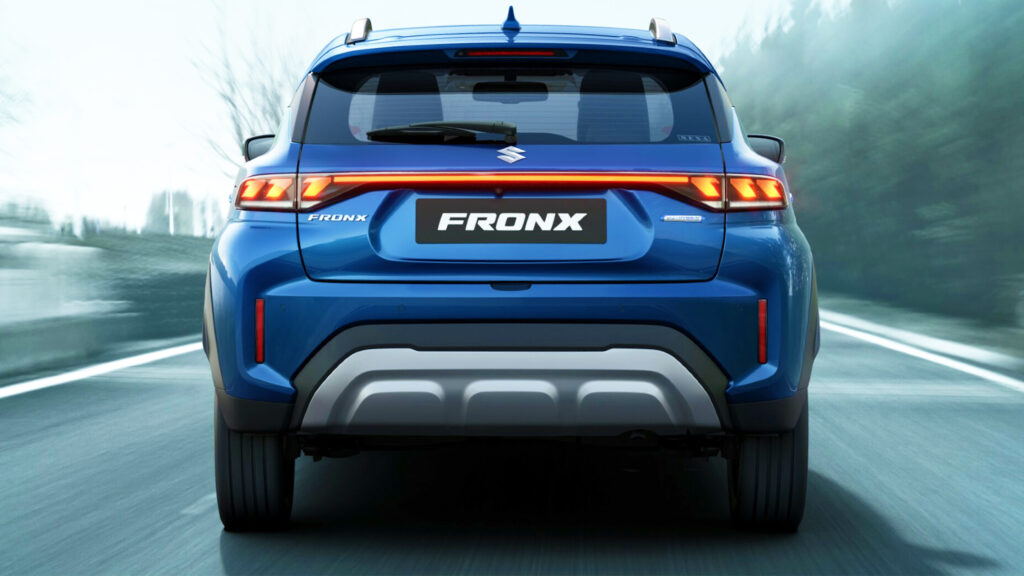
Suzuki’s contribution to the overall growth was very significant. The brand increased its reverse import volumes more than sevenfold, importing 43,266 cars over the year. The main reason was the long-awaited launch of the five-door version of the Jimny Nomade on the domestic market, which is produced in India. Alongside the Jimny, Suzuki also imports the Fronx crossover from India to Japan.

Other Manufacturers Reduce Shipments
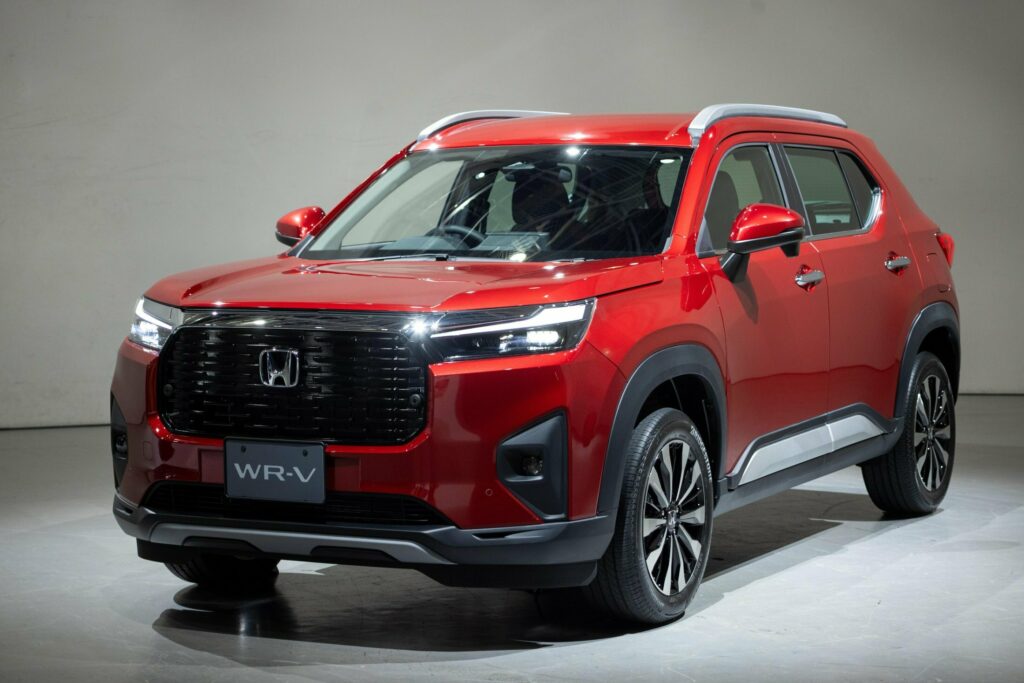
However, while Suzuki was increasing volumes, not all automakers followed the same path. Several major brands, on the contrary, reduced reverse imports. Honda recorded an 18 percent drop, to 37,022 units, linked to a reduction in shipments of the WR-V crossover from India. Nissan showed an even greater decline of 33 percent, to 9,595 cars. Toyota demonstrated a similar drop of 33 percent, to 9,587 units.
Toyota’s New Plans
For Toyota, the current year could be a turning point. The automotive giant recently confirmed that later this year it will begin importing three key models produced in the USA to Japan. The company plans to import the Camry sedan, the Highlander crossover, and the full-size Tundra pickup. Toyota explains the decision as a desire to meet the diverse needs of a wide range of customers, as well as to improve trade relations between Japan and the USA.
The company says that the decision to import these models is a way to “meet the diverse needs of a wide range of customers, as well as help improve trade relations between Japan and the USA.”
Of course, simply having these models on the Japanese market does not guarantee success. Price will remain a significant factor. If the imported cars have a high cost, demand for them may be limited. There is also the question of buyer preferences. Japanese consumers traditionally prefer compact cars and minivans, so convincing them to choose a large crossover like the Highlander may prove to be a difficult task.

These changes in the import structure reflect the global transformation of the automotive industry, where the geography of production is increasingly less tied to the brand’s country of origin. The growth of imports from India, in particular, indicates the strengthening of this country’s position as an important manufacturing hub not only for the local but also for the global market, including such a demanding market as Japan’s. At the same time, Toyota’s plans to import from the USA carry not only commercial but also political undertones, demonstrating the complex interaction of business and international trade. The success of these initiatives will depend on how well companies manage to find a balance between global logistics, cost, and the specific tastes of local consumers.