 by
by European officials review tariffs on Cupra Tavascan
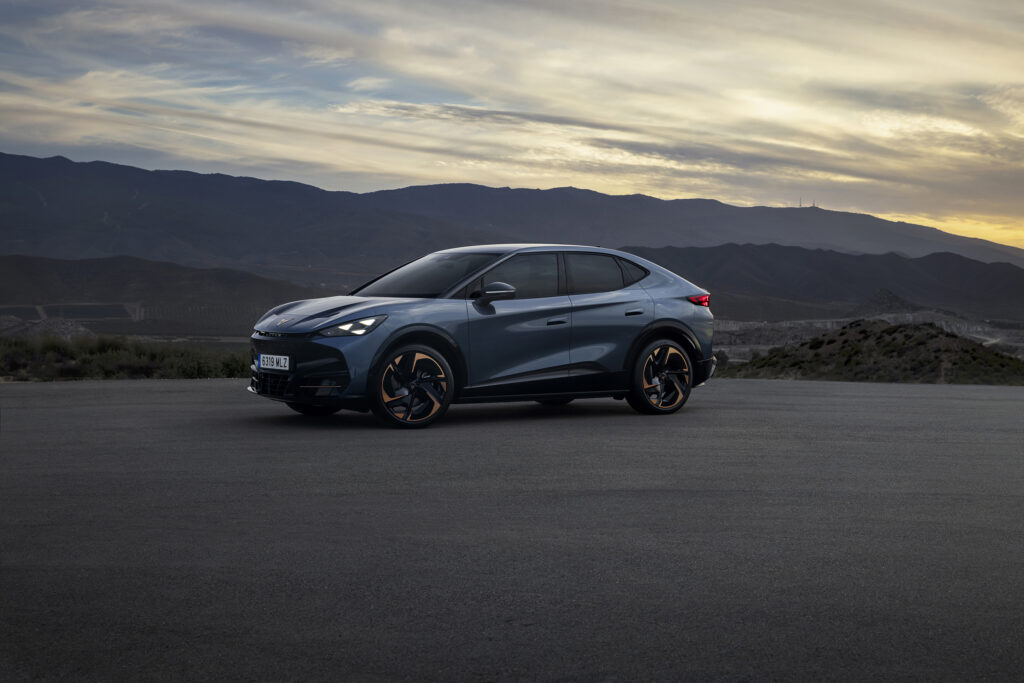
European regulators have begun a review of the customs duties applied to the Cupra Tavascan electric vehicle. This model is manufactured in China and is therefore currently subject to an additional 20.7% duty on Chinese electric cars imported into the EU.
Complexities of global production and vehicle origin
Modern production with its global supply chains makes the question of a car’s true origin increasingly complex. Is a Mercedes assembled in America, or a Volkswagen produced in China, truly German? This distinction becomes particularly significant in the context of trade wars and customs restrictions. Volkswagen hopes its European roots will help it in this situation.
Additional information: Cupra CEO warned that the brand could be “destroyed” by EU tariffs
Volkswagen’s petition and possible alternatives
It appears this strategy has already begun to work. According to Reuters, the European Commission has decided to review the tariffs applied to Volkswagen Group cars manufactured in China. Instead of the traditional duty, the automaker is considering the possibility of introducing an “import quota and minimum price mechanism.”
The petition was filed by Volkswagen Anhui, which is a joint venture with the Chinese company JAC. It is this venture that produces the Cupra Tavascan. Volkswagen stated that the tariffs pose a “serious threat” to their business.
Prospects for duty exemption and conditions
If the European Commission grants the company’s request, the Tavascan could be exempt from the 20.7% levy. A decision could be made within a few months, although it is not yet clear whether the company’s arguments will convince the officials.
Even if exempted from the tariff, the proposal to set a minimum price may not be a better alternative. As sources note, officials “insist that any minimum prices be as effective and enforceable as tariffs.”
High duties for automakers in Europe
Automakers face high duties when importing cars into Europe. The mentioned 20.7% duty on Chinese electric cars is added to the base tariff of 10%.
Moreover, the rates are not the same for all manufacturers. For example, SAIC vehicles may be subject to a 35.3% duty, BYD to 17%, and Geely to 18.8%.
This situation vividly illustrates how geopolitics and trade policy are increasingly influencing the automotive industry, forcing global players to seek complex legal and logistical solutions to maintain market positions. The success or failure of Volkswagen’s petition could become an important precedent for other manufacturers that also combine European brands with Chinese production, shaping the future rules of the game in one of the world’s largest automotive markets.