 by
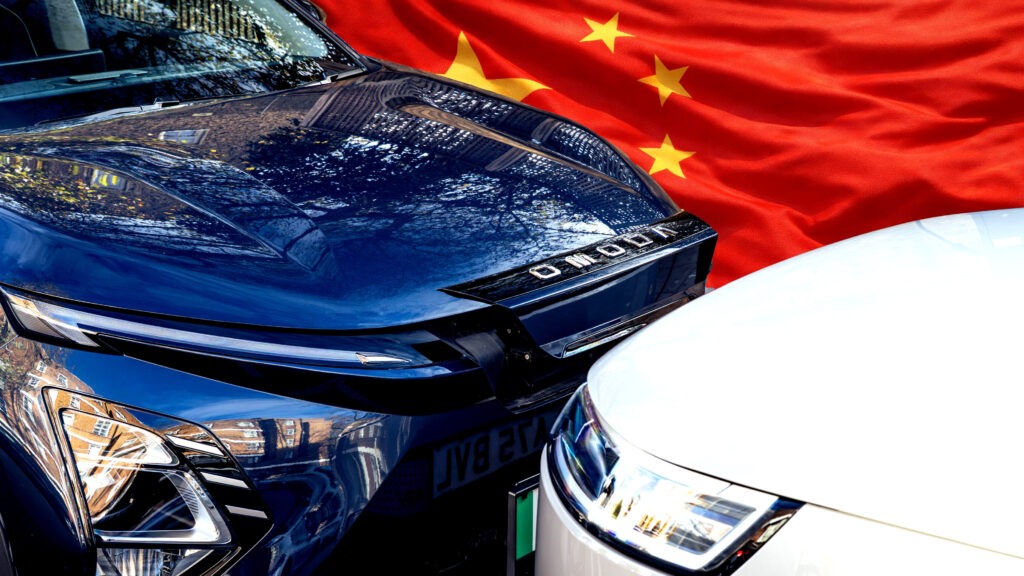
by The European Union is considering a radical change in its policy towards electric vehicles from China. Instead of the existing high tariffs, which were introduced a year and a half ago, minimum import prices may be implemented.
A New Approach Instead of Tariffs
After months of trade tensions, the European Union is considering completely abolishing high tariffs on electric vehicles from China. Instead of customs duties, which reach up to 45% and depend on the level of state support for manufacturers, it is planned to set minimum prices for imported products.
Chinese companies will have to submit price proposals that are “adequate to eliminate the harmful effects of subsidies and ensure an effect equivalent to customs duties.”
Other factors will also be taken into account during the review, such as planned future investments within the EU.
Impact on Trade and Manufacturers
The minimum price system will allow Western automakers building cars in the EU to compete with Chinese brands such as BYD and Chery. Since Chinese companies will not pay tariffs and will retain their profits, this should ease trade tensions between the regions.
After the EU imposed tariffs on imported electric vehicles, China responded by introducing duties on goods exported from Europe, including dairy products, pork, and cognac.

Unexpected Consequences for European Brands
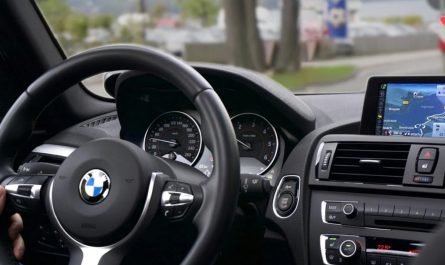
Ironically, the EU tariffs harmed some Western brands they were meant to protect. For example, cars like the BMW iX3, which were manufactured in China and imported to Europe for sale, were also subject to duties. Volvo moved production of EX30 electric SUVs for the European market from China to Belgium to avoid tariffs.
Growing Presence of Chinese Cars
Despite the introduction of tariffs, Chinese brands continue to increase their share of the European car market. Their electric vehicles remain popular, and hybrid models, which are not subject to tariffs, are selling out particularly quickly.
In 2024, the share of Chinese cars in the European market was about 2.5%. By the end of last year, this figure had risen to approximately 7%. In the UK in 2025, almost one in ten cars sold had a Chinese brand.

The shift from tariffs to price controls reflects the complexity of protecting the domestic market in a globalized environment. While minimum prices may create more predictable conditions for all players, they could also limit consumer choice and affect overall market dynamics. The success of Chinese manufacturers, even under tariffs, demonstrates their ability to adapt and offer competitive products, forcing regulators to seek new tools to balance interests. The future of the European auto industry will largely depend on whether a balance can be found between protecting domestic producers and supporting healthy competition that stimulates innovation.