


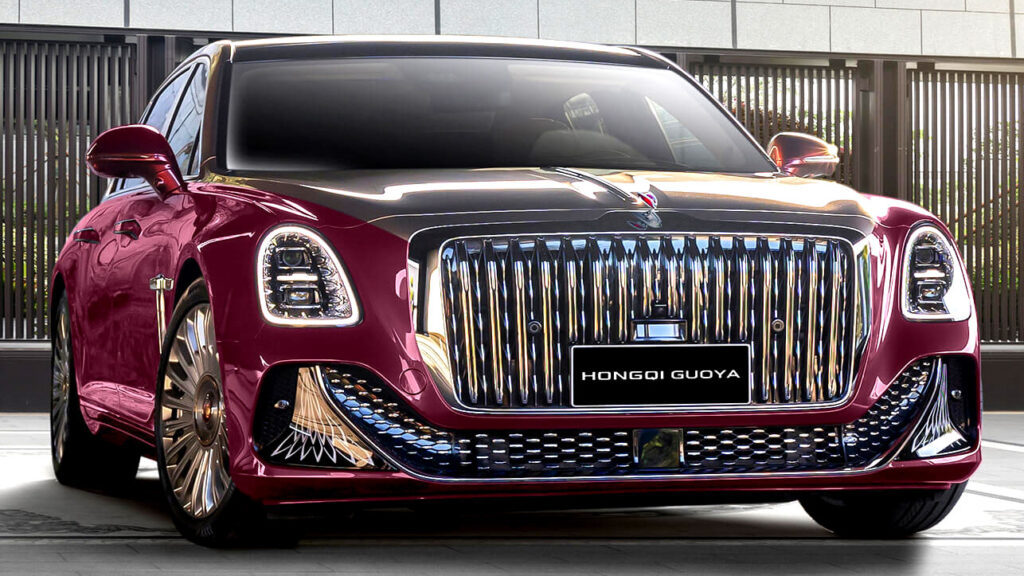
Hongqi’s Expansion Plans in Europe
Hongqi cars are a common sight in China, yet outside its home market, this brand remains a mystery to most buyers. This may soon change. China’s oldest and most luxurious automaker is aiming for a large-scale European expansion, planning to introduce 15 electric and hybrid models and launch them in 25 markets by 2028.
Challenges and Strategies for Overcoming Barriers
Like many of its Chinese competitors, Hongqi considers global growth vital, and Europe is one of its priority directions. However, the brand’s plans face a complex landscape. The European Union has imposed high tariffs on electric vehicles produced in China, raising both costs and stakes.
In response, Hongqi is reportedly exploring opportunities for local production. Potential production sites, according to rumors, are being considered in Southern Europe, Eastern Europe, and the Northern European region. Manufacturing cars within the EU could mitigate the impact of tariffs and simplify logistics, especially as the company seeks to establish itself in a new market.
Current Sales and Key New Products
Hongqi, a subsidiary of the state-owned FAW Group, sold only 771 cars in Europe through October, a modest figure compared to its domestic market presence. However, this number may serve more as a starting point than a limitation.
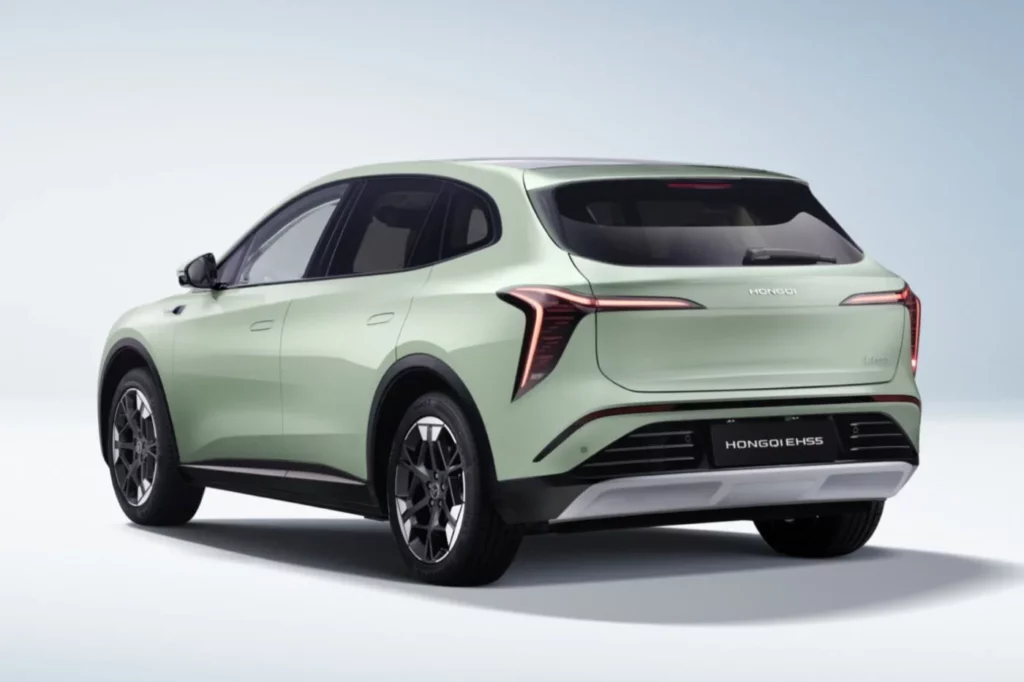
The most significant new product is the EHS5, a mid-size electric SUV, first shown at the Munich Motor Show. The model is powered by an 85 kWh lithium-ion battery and offers a range of 342 miles (550 km).
European specifications are not yet finalized, but in China, the EHS5 is offered in two versions: a rear-wheel-drive model with 339 hp and an all-wheel-drive variant with 610 hp. Until now, the EHS7 has been Hongqi’s most popular model in Europe, but the new SUV could shift this balance.

Pricing as the Key to Success
Pricing will be key to Hongqi’s success in Europe. Other Chinese brands, such as MG, Chery, and BYD, have been steadily increasing their sales in the region thanks to affordably priced models.
FAW’s Chief Designer Giles Taylor, in a comment for Auto News, noted that Hongqi’s government ties give it access to technologies “at prices you simply can’t believe.” Such a cost structure could become a powerful advantage.
We can use this price advantage both domestically and in Europe. Do you really want to spend €5 on coffee at Starbucks when there’s a new small startup next door selling coffee for €1.50?
The brand’s ambitious plans are accompanied by concrete steps: developing 15 hybrid and electric models, searching for sites for local plants in several European regions. This is happening against the backdrop of a rather cautious start: only 771 cars of this brand were sold in Europe in ten months of the year. The success of this strategy will largely depend on Hongqi’s ability to combine its luxurious identity with the competitive prices promised by management and to overcome political-economic barriers, such as EU tariffs, through production localization. The European market, which is increasingly opening up to Chinese manufacturers, is gaining another player that aspires not just to a market share, but to a status position.