 by
by Sales of Chinese cars in Europe this year are expected to exceed 700,000 units. Many Chinese brands are shifting their focus to hybrid and conventional internal combustion engine models. EU tariffs have a stronger impact on electric vehicles, which has created a significant regulatory loophole.
The EU’s Failed Strategy
The European Union’s tariffs on Chinese electric vehicles were intended to protect European manufacturers and incentivize Chinese brands to localize production. However, this strategy appears to be failing. There has been no mass relocation of production, and sales of Chinese cars in Europe continue to grow.
This year, sales of Chinese cars in EU countries, the UK, and EFTA are expected to be over 700,000, significantly more than the 408,000 in 2024. This growth is occurring despite the additional tariffs of up to 35% imposed last November on top of the standard 10% duty.
The Hybrid Detour
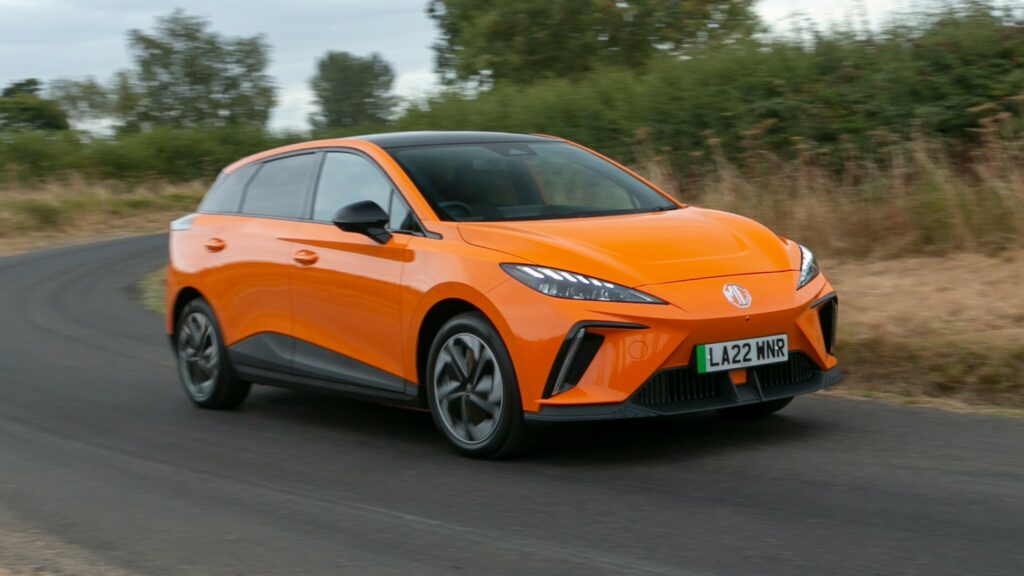
Instead of reducing demand, the tariffs have simply redirected it. Since the additional charges apply only to electric vehicles, hybrid models and ICE cars remain subject only to the basic 10% tariff. Chinese brands have logically focused on these categories, altering their European strategy.
Thanks to significantly lower production costs, which can be up to 30% cheaper compared to Europe, it makes no financial sense for these companies to relocate production merely to circumvent tariffs. Instead, they are exploiting this legislative gap.
“The EU decision left a big hole for full hybrids and even plug-in hybrids coming from China,” noted Philippe Houchois, Managing Director at Jefferies.
As of this year, about two-thirds of Chinese cars imported into Europe have been subject only to the standard 10% duty. While electric vehicles accounted for 44% of Chinese car sales in Europe in the January-October 2024 period, this share has fallen to 34% in 2025.
“The European Union’s decision to target a specific technology when setting additional tariffs for Chinese automakers was doomed to fail,” explained Houchois.

Production of Chinese EVs in Europe
Local production remains a rare phenomenon. Fewer than 20,000 cars from Chinese brands are expected to be assembled in Europe this year. BYD plans to change this with a new plant in Hungary, capable of producing up to 150,000 units per year, but for now, this is more the exception than the rule.
For now, there are few signs that other Chinese automakers are rushing to follow this example. Although many have announced plans for European production, the numbers remain theoretical.
At the same time, several Chinese manufacturers have already announced intentions to start production in Europe. For example, Leapmotor is preparing to produce the B10 model in Spain, and GWM has ambitions to produce up to 300,000 cars in the region by 2029. Dongfeng and Hongqi are also evaluating potential sites in Europe. Chery, Xpeng, and GAC are already assembling a limited number of cars locally.
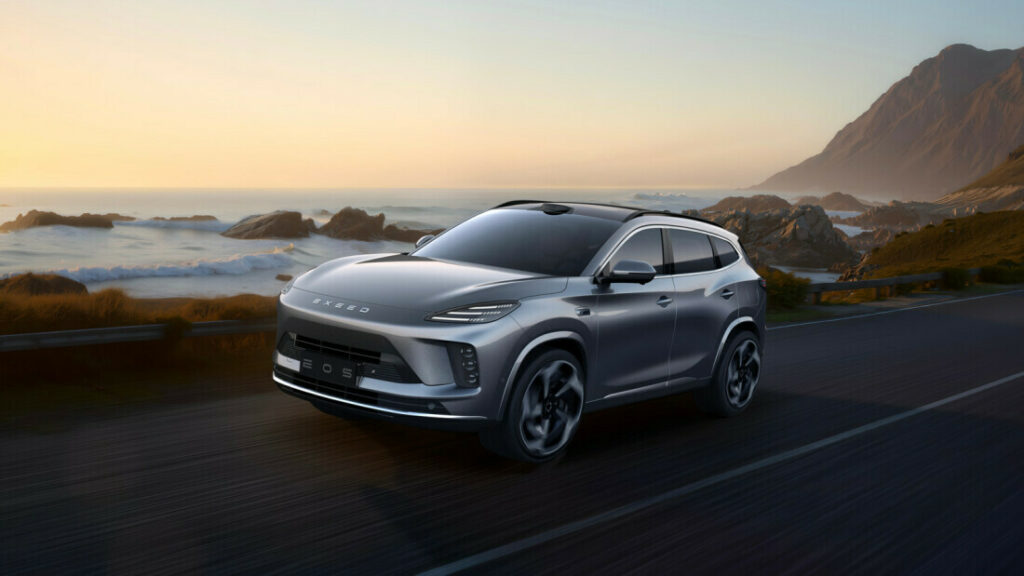
The situation demonstrates how trade barriers aimed at one technology can lead to unintended consequences, shifting the market but not stopping its development. The growing popularity of hybrids among Chinese importers could also affect the overall dynamics of the European car market, potentially slowing the transition to full electrification, which the EU so actively supports. The question of whether this will lead to a revision of trade policy remains open, especially against the backdrop of growing competition in the affordable car segment.