


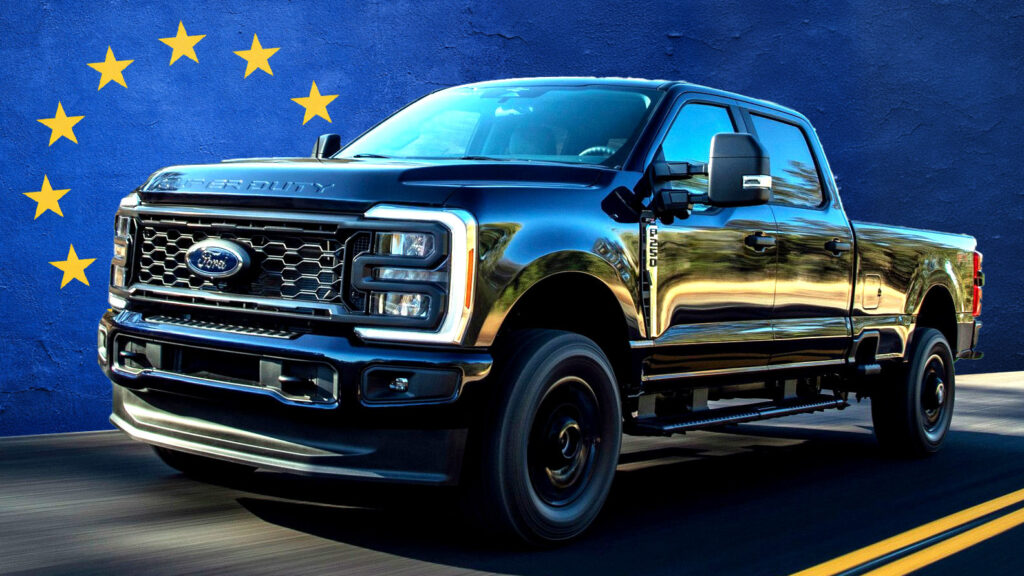
Trade Dispute Between the US and EU Over Pickup Truck Imports
Trade agreements between countries rarely attract widespread attention, but the situation changes when one major economy accuses another. According to recent reports, American automakers are accusing the European Union of blocking the import of large pickup trucks, creating the impression that Brussels is imposing a complete ban on American trucks.
The report is based on comments from an unnamed executive from a “Detroit automaker,” US Ambassador Andrew Pazder, and a letter from the American Automotive Policy Council, a lobbying group representing Ford, GM, and Stellantis. None of these manufacturers has publicly accused the EU, and representatives from Ram, Ford, and GM declined to comment on the situation.
The US administration knows that Europe is not only delaying the implementation of the trade agreement but is also considering restricting American products and narrowing consumer choice in Europe.
Individual Vehicle Approval (IVA) System
At the heart of the dispute is the European IVA system. This program allows a limited number of vehicles designed for other markets to be imported into Europe without full compliance with all local regulations. It is a kind of loophole for low-volume or unusual models, similar to the “Show and Display” rule in the US.
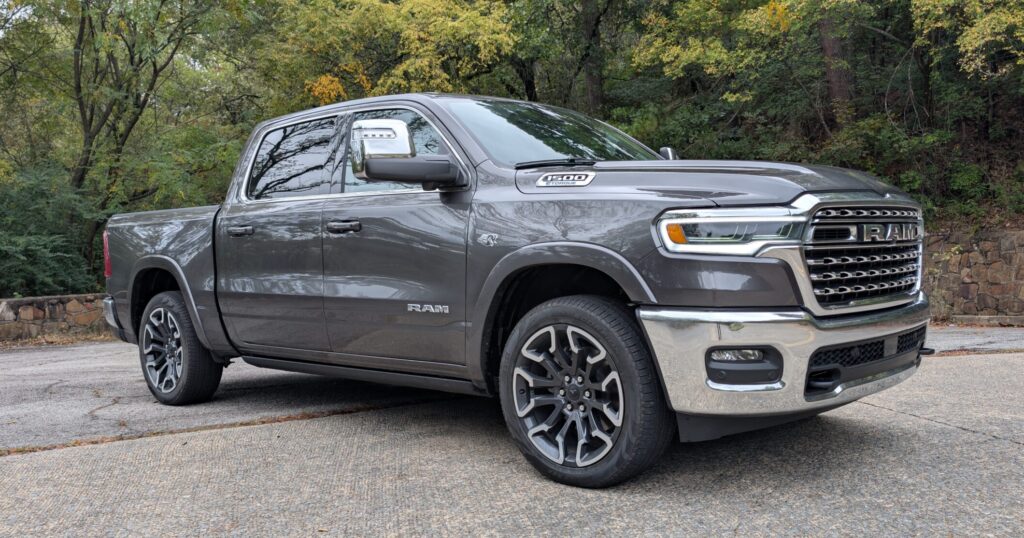

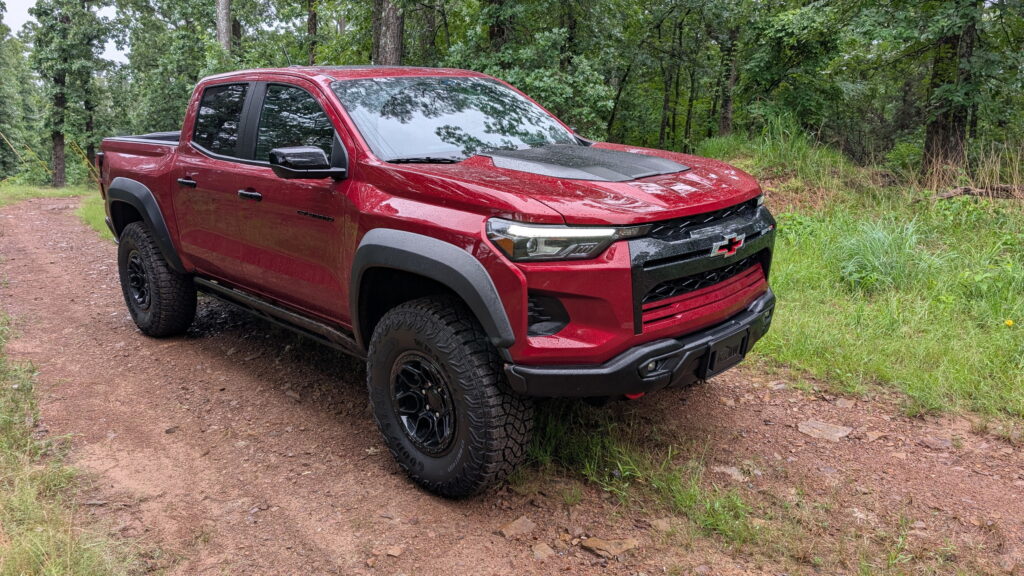
Thanks to this rule, about 7,000 American pickup trucks and SUVs, which were not originally designed with European emissions and safety standards in mind, enter Europe annually. According to Transport & Environment, this accounts for less than 0.1% of the European market, with nearly 5,200 of them being Ram trucks.
For comparison, Ford sold over 800,000 F-Series pickups in the US last year alone. An American automaker could achieve such sales volume in Europe in just three days.
Future Changes and Safety Arguments
The EU is considering tightening this niche exemption rule starting in 2027, but not for a complete ban. The aim is to close loopholes that allow vehicles to enter European roads without meeting safety standards.
Pickup trucks like the Ram 1500, due to their size and limited visibility, pose a greater risk to pedestrians and cyclists.
Critics argue that the Ram’s hood is so high that a driver might not see a child standing directly in front of the vehicle. This is a safety issue, not merely an attempt to restrict imports.
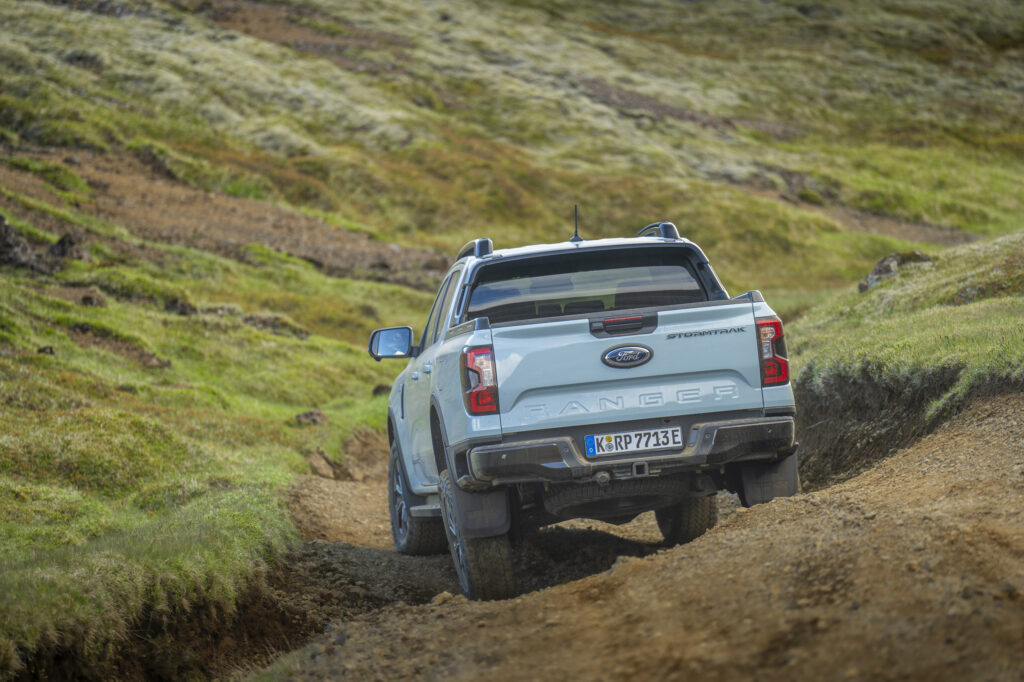

The US Position and Historical Context
There is an element of hypocrisy in this discussion, as it is the US that has been restricting truck imports for decades. The American so-called “chicken tax” imposes a 25% tariff on imported light trucks. This tariff, introduced back in 1964, shaped the entire US pickup truck market, making the import of foreign models extremely expensive.
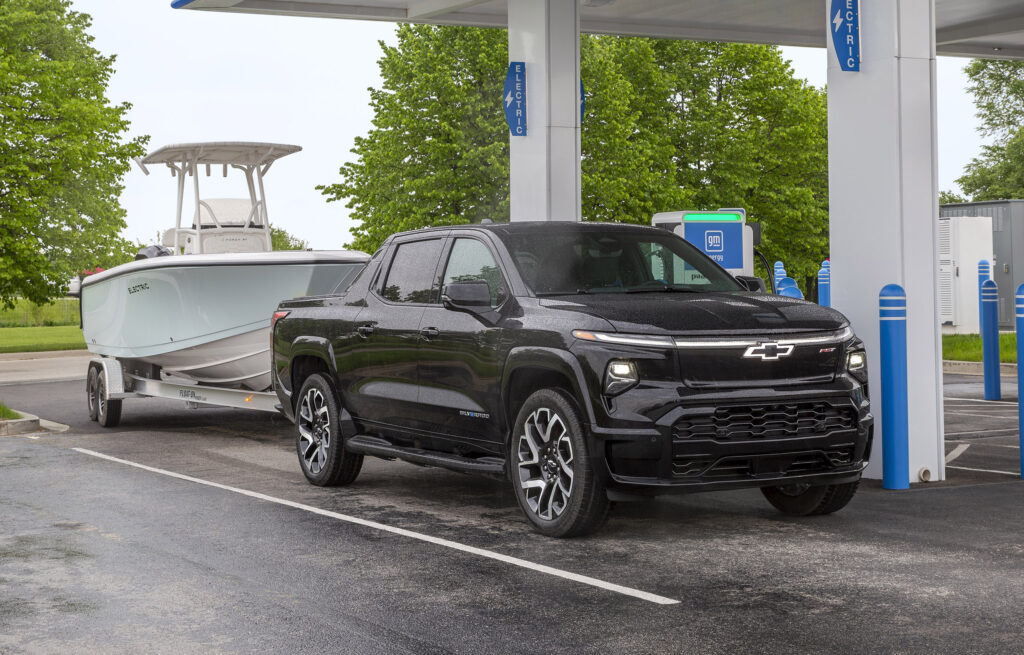

This is precisely why Toyota, Nissan, Honda, and Mercedes were forced to establish production of their models in North America rather than import them. Companies even resorted to complex schemes, such as importing Ford Transit Connect vans as passenger cars and subsequently removing the rear seats to avoid the tariff.
Furthermore, Americans cannot freely import vehicles that do not comply with federal safety standards. Compared to the 60-year protection of the US market, Europe’s plans to tighten control over the import of 7,000 vehicles per year appear quite moderate.

This trade dispute highlights the complex interplay between national interests, safety standards, and market protection. While the EU seeks to adapt its rules to new challenges, the US continues to benefit from long-term mechanisms protecting its own market. Future negotiations will likely address not only technical norms but also principles of fair competition, where each side has its own regulatory history. The development of the situation may impact the strategies of global automakers balancing between different jurisdictions and their requirements.