 by
by Recent car sales data in Europe demonstrates a radical shift in market preferences. Three key trends confirm this:
Changing Landscape of European Roads
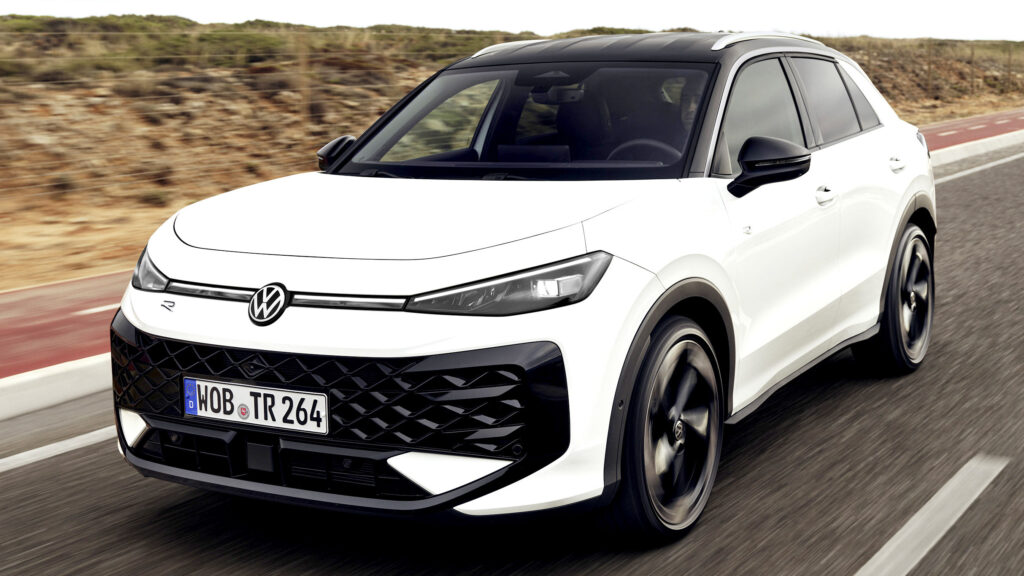
Not long ago, small cars dominated European roads, but over the past five years, the number of SUVs has increased sharply. The figures confirm that SUVs now account for more than half of all new car sales in Europe, a stark contrast to the situation a few years ago. This jump is largely due to popular crossovers like the Volkswagen T-Roc and Toyota Yaris Cross.
Not only have buyer preferences changed, but so has perception. Europeans once mocked Americans for their obsession with SUVs and pickups, but now the attitude is different. SUVs are no longer perceived as gas-guzzling and impractical, but as convenient, city-adapted options with broad utility.
Mass-market brands, including Volkswagen, Renault, Ford, and Toyota, have reshaped the segment with compact models that have slightly higher ground clearance and a more “rugged” look, yet occupy the same parking spaces that once belonged to small hatchbacks.
Sales Data: From Hatchbacks to Crossovers
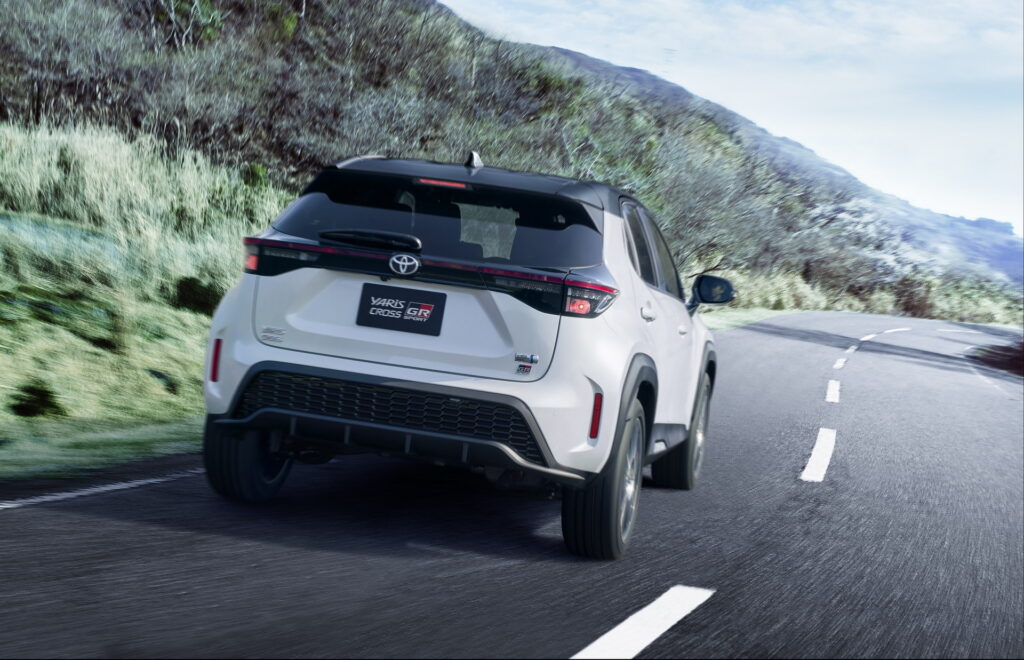
According to data, even in 2020, SUVs had a solid 41 percent share of the total European market. This figure has since grown to 59 percent. As more people buy SUVs and crossovers, the number of those choosing a small hatchback or sedan has decreased.
While hatchbacks held 35 percent of the European market in 2020, by 2025 this share had fallen to 23.9 percent. In quantitative terms, this is a sharp drop from 4.2 million units to just 2.9 million.
Although overall sales are falling, several hatchback models continue to show steady demand. The Renault Clio, Volkswagen Golf, and Dacia Sandero remain popular, with the Sandero expected to finish 2025 as the best-selling new car in the region.
The Dacia Sandero Phenomenon
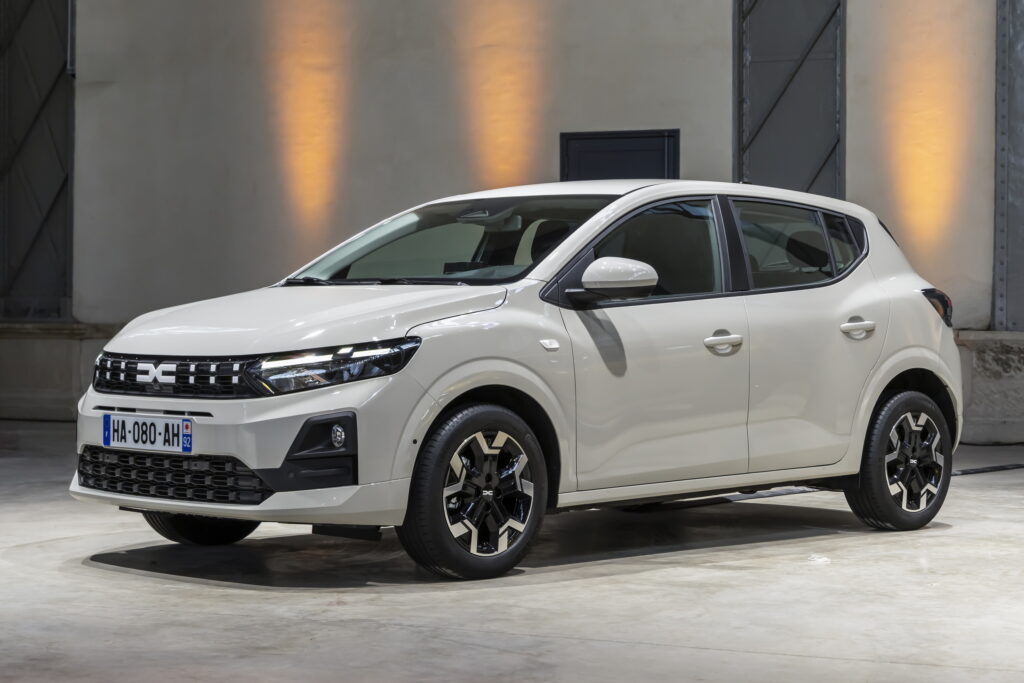
Affordability has played a key role in the Sandero’s success. With a starting price below €13,000 in Germany, it has become a primary choice for value-oriented buyers. Its sales have grown from 168,443 units in 2020 to over 225,000 by November of last year, allowing it to become Europe’s best-selling model for the second year in a row.
The market share of sedans has also shrunk, slipping from 4.7 percent in 2020 to just 3.5 percent in 2025. The best-selling sedan last year is likely to be the Tesla Model 3 with 76,079 units sold, more than 37,300 units ahead of the second-place Mercedes-Benz CLA.
One exception to this trend remains Romania, where sedans still account for 15.4 percent of the new car market, significantly higher than elsewhere in Europe.
SUV Sales Leaders
The rapid growth in SUV demand has also negatively impacted station wagon sales across Europe. Their market share has fallen from 10.2 percent five years ago to 7.1 percent in 2025. Long-standing models like the Skoda Octavia and Volkswagen Passat have been particularly hard hit, as more buyers choose SUVs over traditional “workhorses.”
Among SUVs, the best seller in 2025 was the Volkswagen T-Roc. Below is a table of the best-selling models:
Rank Model Sales 1 Volkswagen T-Roc 196,246 2 Volkswagen Tiguan 180,683 3 Toyota Yaris Cross 174,567 4 Peugeot 2008 160,104 5 Dacia Duster 157,004 6 Citroen C3 144,191 7 Ford Puma 141,423 8 Kia Sportage 139,428 9 Hyundai Tucson 136,359 10 Nissan Qashqai 128,919
Data source: Autonews / Dataforce
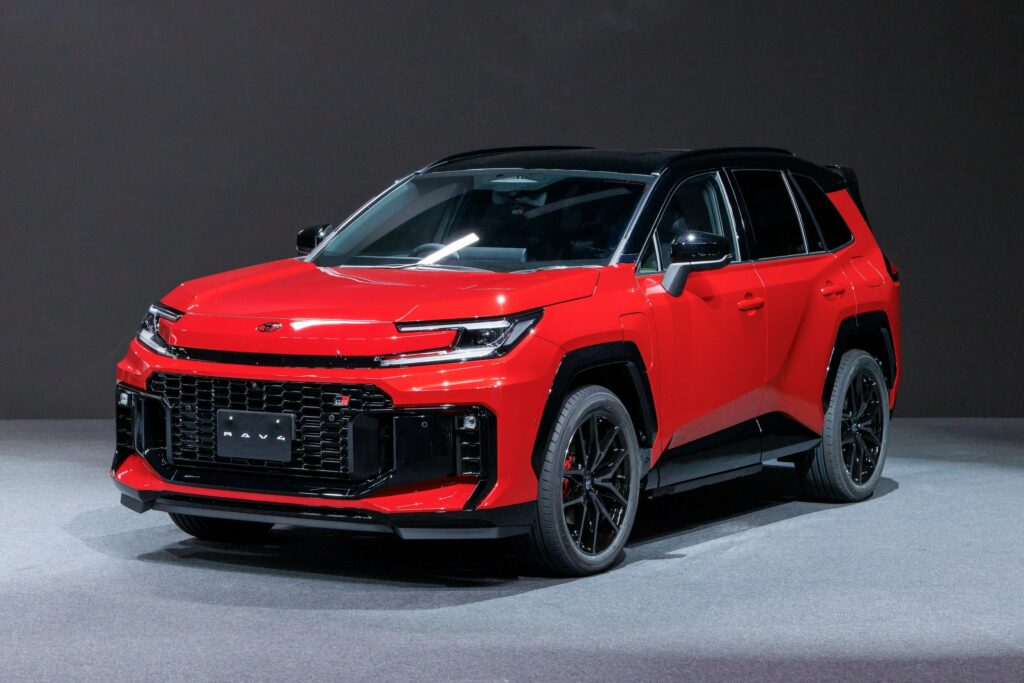
These changes in buyer preferences reflect a deeper transformation of the automotive industry and societal priorities. The shift to SUVs, despite their generally higher cost and potentially greater fuel consumption, indicates that for many Europeans, factors such as a high seating position, a sense of safety, and versatility outweigh the traditional advantages of small cars. The success of the Dacia Sandero against this trend is a vivid example that the market is still very price-sensitive. This creates an interesting dynamic where SUV dominance is not absolute, and affordable models, even in generally shrinking segments, can find their loyal audience and achieve outstanding results. The future will show whether this SUV trend will be long-lasting, or if the market will begin to shift again under the influence of new technologies, environmental regulations, and economic factors.