


Chinese automakers and European partnerships: a new round of cooperation
Leapmotor’s confirmation of plans to produce cars in Europe and jointly develop an electric vehicle for Opel together with Stellantis has sparked a wave of similar discussions in the industry. Other traditional automakers are also beginning to consider their own partnerships. However, the question of whether this will be beneficial for the European side in the long term is already troubling the industry itself.
Stellantis and Leapmotor: deepening cooperation
Stellantis acquired a 21% stake in Leapmotor at the end of 2023 and has been steadily strengthening ties since then. An Opel SUV on a Chinese platform is expected to appear in 2028, and several models under the Leapmotor brand will be produced at the Stellantis plant in Villaverde, Madrid. Ownership of the plant will also be transferred to the Spanish subsidiary of the Stellantis and Leapmotor joint venture.
The deal will not only help Stellantis strengthen its business in the region but also provide Leapmotor with easy access to the European market, allowing it to avoid expensive import duties through local production.
According to CNBC, Ford is also considering a European partnership with Geely. Stellantis head Antonio Filosa notes that the company is interested in cooperation not only with Chinese brands.
“Obviously, Chinese OEMs are strong players coming to Europe with great power… but we can also consider others,” he said. “Leapmotor is the Chinese partner we have, and we greatly value this partnership. That is why we have moved to the next level, but much more can be done.”
Short-term gain or long-term risks?
In the short term, such moves can help European companies increase plant utilization rates while benefiting Chinese firms. However, Julia Poliscanova from the Transport & Environment campaign expresses concern.
“I am really worried about what this will mean in the long term,” she said. “Once they help Chinese brands gain recognition, and people buy a car and see that it is not such a bad vehicle, this could become a point of no return.”
BYD chooses its own path
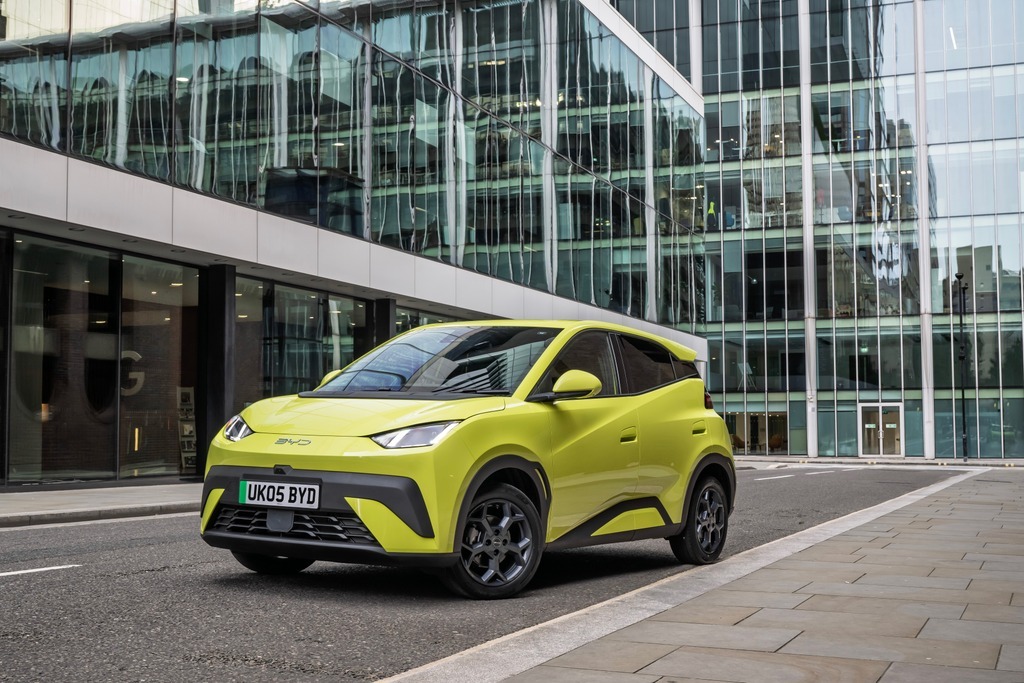
It is worth noting that leading Chinese automaker BYD is not interested in cooperating with traditional brands. According to Executive Vice President Stella Li, BYD prefers to manage its own plants rather than through joint ventures and may negotiate with Stellantis and other companies to acquire underutilized capacity.
“It is very difficult to cooperate and ask for permission from someone else,” Li told Reuters. “We prefer to do everything ourselves. We cooperate with every automaker either to sell them batteries or to work with them on various aspects… but not in manufacturing.”
Thus, the European automotive market finds itself at a crossroads: some manufacturers are actively seeking partnerships with Chinese companies for quick access to technology and production optimization, while others, like BYD, strive for full autonomy. This creates a complex dynamic where short-term benefits from cooperation could turn into a loss of control and competitiveness in the future. At the same time, refusing partnerships could lead to technological lag and loss of market share to more agile Chinese players who are already actively exploring the European space.